• Multiple Offers
    Multiple Offers
  • Support
    Real-Time Support
  • Free Replacement
    1-Year Free Replacement Warranty
  • (732) 321-0852

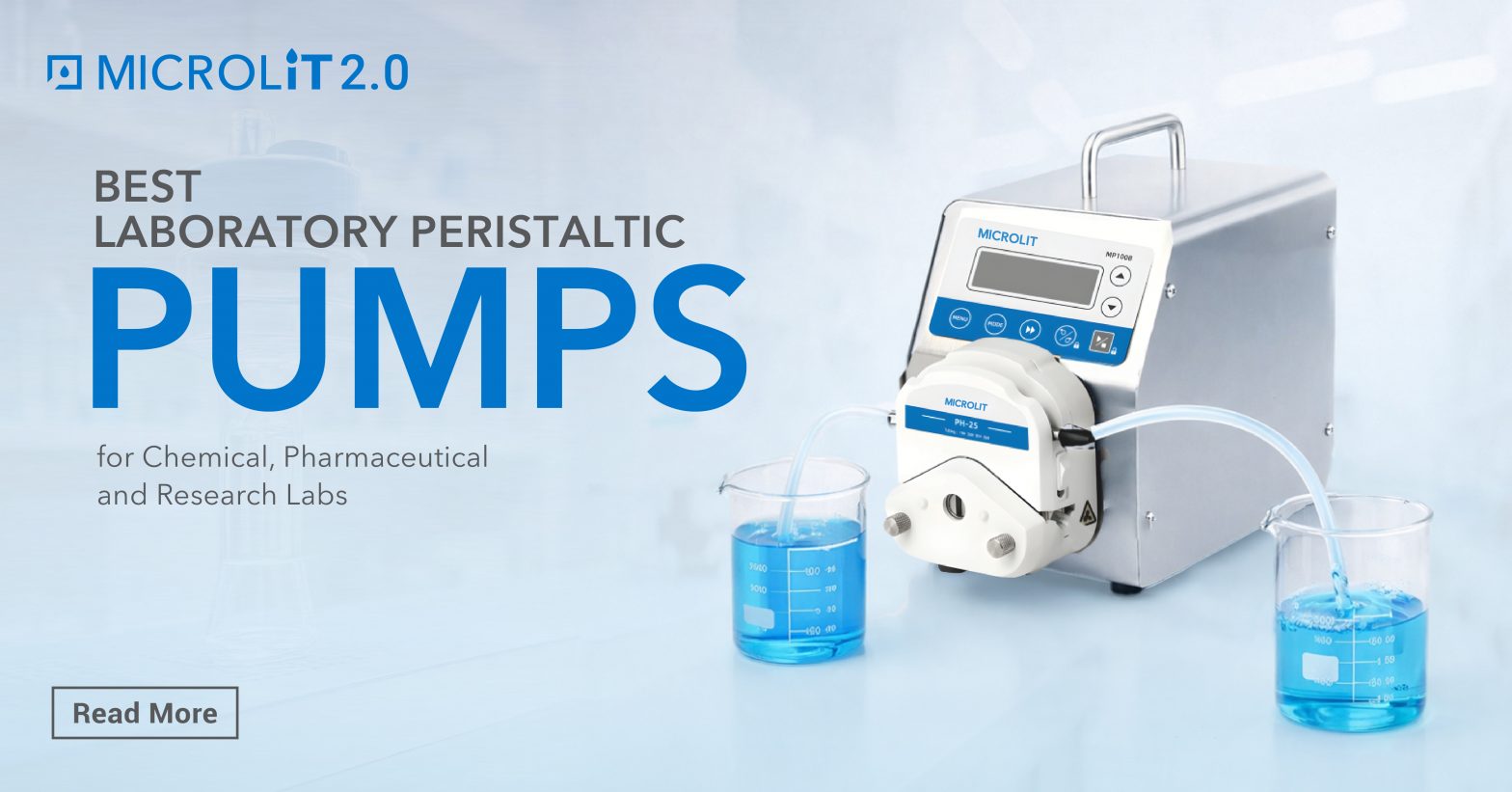
Best Laboratory Peristaltic Pump for Chemical, Pharmaceutical, and Research Labs

In modern laboratories, precision fluid handling is critical to ensuring accurate results, reproducibility, and operational efficiency. Whether in chemical processing, pharmaceutical formulation, or advanced research environments, peristaltic pumps have emerged as an indispensable tool. Their unique working principle—moving fluids through flexible tubing without direct contact with mechanical components—makes them ideal for sterile, corrosive, and sensitive applications.

For organizations like Microlit that emphasize precision and reliability, selecting the best laboratory peristaltic pump is key to achieving consistent outcomes. This article explores how peristaltic pumps work, their advantages, and the key features that define the best models—along with a closer look at Microlit’s specialized range.

Understanding Peristaltic Pumps

A peristaltic pump operates by compressing and releasing flexible tubing using rotating rollers. This action creates a vacuum that pulls fluid through the tube in a controlled manner. Since the fluid only contacts the tubing, contamination risks are significantly minimized.

These pumps are widely used across:

  • Analytical chemistry
  • Biotechnology and bioanalysis
  • Chromatography
  • Pharmaceutical production and dosing

Their ability to handle viscous, corrosive, and shear-sensitive fluids makes them especially valuable in demanding lab environments.

Why Peristaltic Pumps Are Ideal for Laboratories

Laboratory workflows demand accuracy, sterility, and flexibility. Peristaltic pumps offer several advantages that make them superior to conventional pumping systems:

Contamination-Free Operation

Because fluids are contained within tubing, there is no direct contact with pump components—ensuring purity in sensitive applications.

High Precision and Repeatability

Adjustable flow rates allow for accurate dosing and reproducible results, critical for research and pharmaceutical processes.

Chemical Compatibility

These pumps can safely handle aggressive chemicals, acids, and solvents with the right tubing material.

Gentle Fluid Handling

Low-shear pumping preserves delicate biological samples such as cells and proteins.

Easy Maintenance

Minimal moving parts and replaceable tubing make maintenance simple and cost-effective.

Key Features of the Best Laboratory Peristaltic Pumps

When selecting a peristaltic pump, laboratories should consider the following:

  • Wide Flow Rate Range: From microliters per minute to liters per minute
  • High Accuracy Control: Fine speed adjustments for precise dosing
  • Multi-Channel Capability: For parallel experiments and high-throughput work
  • User-Friendly Interface: Digital displays and programmable settings
  • Low Pulsation Flow: For smooth and stable fluid delivery
  • Durable Construction: Resistant to harsh lab environments

Microlit’s Extensive Range of Peristaltic Pumps

Microlit distinguishes itself with a well-structured portfolio of three peristaltic pump series, each designed to address specific laboratory requirements while maintaining high standards of precision and performance.

  1. Clever Flow Series – Precision Meets Simplicity

The Clever Flow series is built for laboratories that prioritize precision, programmability, and ease of use. Equipped with a true-color LCD touchscreen, these pumps allow users to manage complex workflows with minimal effort.

Key highlights:

  • Flow rates ranging from microflow to 3000 mL/min
  • Fine speed control with 0.1 RPM resolution
  • Advanced programming modes for flexible operations
  • RS485 communication for system integration

These features make Clever Flow pumps ideal for analytical labs, reagent dosing, and precision-driven applications.

  1. Intelligent Dispensing Series – Automation and Accuracy

The Intelligent Dispensing series is designed for labs requiring automation, repeatability, and compliance—especially in pharmaceutical and regulated environments.

Key highlights:

  • Programmable dispensing modes for automated workflows
  • High-resolution 4.3-inch LCD interface
  • Advanced calibration features for enhanced accuracy
  • Expanded communication protocols for lab automation

This series is particularly suited for pharmaceutical production, batch dispensing, and high-precision dosing systems.

  1. Speed Variable Series – Reliable Everyday Performance

The Speed Variable series offers a cost-effective and dependable solution for routine laboratory tasks without compromising essential functionality.

Key highlights:

  • Simple LCD interface for easy operation
  • Adjustable flow rates up to 3000 mL/min
  • Forward and reverse operation
  • Anti-drip functionality to minimize fluid loss

These pumps are ideal for general fluid transfer, sampling, and day-to-day lab workflows.

Built for Versatility and Performance

Across all three series, Microlit ensures:

  • Wide flow rate coverage for diverse applications
  • Multi-channel configurations for high-throughput processes
  • Low pulsation pump heads for smooth flow
  • Durable construction materials for long-term reliability
  • Automation-ready interfaces for modern laboratory setups

This modular and scalable approach allows laboratories to upgrade or expand their systems without changing platforms.

Applications Across Industries

Chemical Laboratories

Peristaltic pumps are used for safe handling of corrosive chemicals, solvent dosing, and hazardous fluid transfer.

Pharmaceutical Laboratories

They play a vital role in sterile fluid transfer, drug formulation, and precision dispensing—ensuring compliance with strict standards.

Research and Academic Labs

From microfluidics to biotechnology experiments, these pumps enable controlled and repeatable fluid handling.

Challenges and Considerations

Despite their advantages, peristaltic pumps have some limitations:

  • Pulsation: May affect highly sensitive flow applications
  • Tubing Wear: Requires periodic replacement
  • Pressure Limits: Not suitable for very high-pressure systems

However, modern designs—like those offered by Microlit—significantly minimize these challenges.

Why Choose Microlit

Microlit’s approach goes beyond offering equipment—it provides engineered solutions tailored to laboratory needs. Their three-series strategy ensures that users can select a pump based on functionality, scalability, and budget, without compromising on quality.

Key advantages include:

  • Consistent accuracy and repeatability
  • User-centric design and interface
  • Compatibility with advanced lab automation
  • Strong build quality and reliability

Conclusion

Peristaltic pumps have become essential in modern laboratories due to their precision, versatility, and contamination-free operation. Whether used in chemical analysis, pharmaceutical production, or advanced research, they play a crucial role in ensuring reliable outcomes.

Microlit’s comprehensive range—Clever Flow, Intelligent Dispensing, and Speed Variable series—offers tailored solutions for every level of laboratory requirement. By combining advanced technology with practical design, Microlit empowers laboratories to achieve higher efficiency, accuracy, and confidence in their processes.

Investing in the right peristaltic pump is not just about equipment—it’s about enhancing the quality and integrity of your scientific work.
 

How Electronic Pipettes Impact Accuracy and Precision in Labs

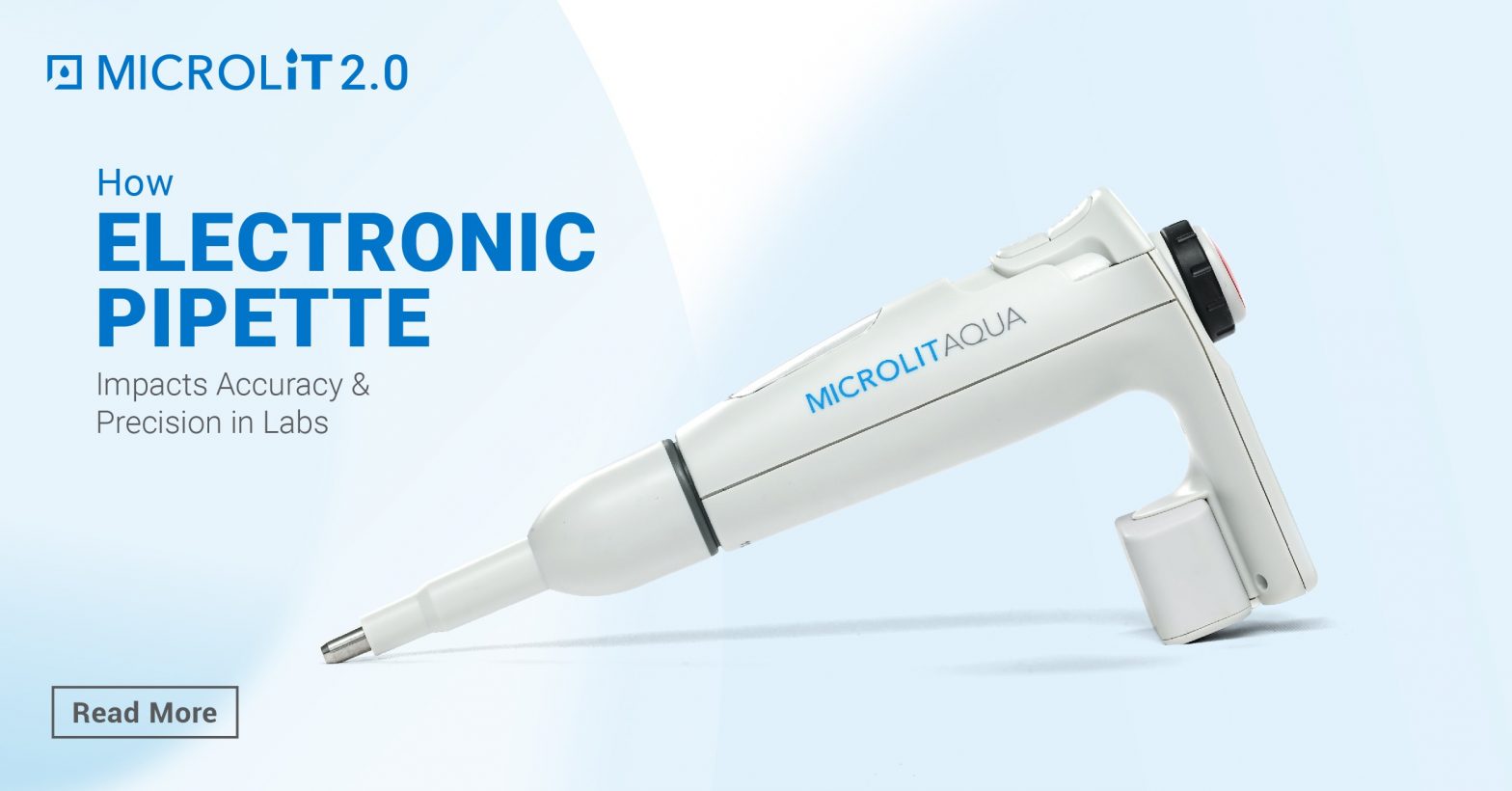
In any laboratory — from clinical diagnostics to molecular biology — the reliability of results depends heavily on how accurately and precisely liquids are handled. Whether it’s setting up PCR reactions, preparing reagents for ELISA or running quantitative assays, even tiny volume discrepancies can compromise results. In this context, electronic pipettes have emerged as vital tools for enhancing both accuracy and precision in liquid handling workflows. This blog explores why these electronic instruments matter, how they outperform traditional approaches, and how solutions like Microlit AQUA electronic micropipettes elevate laboratory performance.

Understanding Accuracy and Precision in Pipetting

Before discussing electronic tools, it’s important to clarify two key concepts: accuracy and precision. Accuracy refers to how close a dispensed volume is to the intended target, while precision relates to the consistency of repeated measurements. Both are critical in lab workflows because inaccurate or imprecise pipetting can lead to skewed data, compromised reproducibility, and failed experiments. For example, slight volume shifts in reagent preparation can alter reaction kinetics in PCR or affect optical density readings in ELISA setups, ultimately leading to erroneous conclusions.

Manual pipetting — using traditional air-displacement pipettes — relies on human technique, which introduces variability. Parallax errors, inconsistent immersion depths, differences in speed and even technician fatigue contribute to variance between replicates. This explains why many labs are increasingly turning to automated or electronic solutions to strengthen performance.

The Shortcomings of Manual Pipetting

Human-dependent liquid handling can be error-prone for several reasons:

  • Technique Variability: Even a well-trained technician will display slight changes in aspiration or dispensing technique from one trial to the next.
  • Environmental Factors: Temperature, humidity, and tip-to-pipette fit can influence results.
  • Fatigue and Strain: Repetitive pipetting leads to fatigue, which manifests as inconsistent wrist pressure and slower movements — both of which degrade precision.

Although calibration and regular training help, they cannot eliminate human variability entirely. This is where electronic pipettes make a significant difference.

What Makes Electronic Pipettes Different?

Unlike manual pipettes that depend on constant human force on the plunger, electronic pipettes use motorized mechanisms and digital controls to manage liquid movement. Users set the desired volume digitally, and the motor precisely controls piston motion, eliminating many sources of manual error. The result? More consistent delivery of target volumes and reduced variability between replicates.

Key Benefits of Electronic Pipettes:

  1. Superior Accuracy: By controlling piston movement electronically, these pipettes minimize systematic errors that arise from human hand variability. Volume settings are precise to programmed figures, ensuring that each aspiration and dispense matches the intended value.
  2. Enhanced Precision: Reproducibility is a hallmark of quality data. Electronic pipettes deliver consistent results across multiple cycles, strengthening confidence in replicates and reducing experiment noise.
  3. Programmable Workflows: Advanced instruments allow users to set multiple modes — including mix, reverse pipetting and multi-dispense operations — which ensures consistency in complex protocols.
  4. Reduced Operator Fatigue: Motor-driven plunger action significantly lowers the physical effort required, making them ideal for high-throughput workflows or prolonged experiments.
  5. Data Management and Traceability: Many electronic pipettes support memory and data logging, enabling users to store programs and track usage, which is valuable in regulated labs.

In sensitive tests such as PCR and ELISA, even the slightest variation in liquid volumes can lead to unreliable amplification curves or inconsistent optical readings. By eliminating manual variability, electronic pipettes directly improve experimental fidelity.

Microlit AQUA: Electronic Pipetting Excellence

Among the various electronic pipettes available, the Microlit AQUA series stands out as a robust choice for labs seeking precision and performance in liquid handling. Available in both single channel and multichannel configurations, Microlit AQUA pipettes are designed to elevate accuracy, reduce variability, and enhance user experience across diverse applications.

AQUA Multi-Functional Electronic Single Channel Micropipette

The single channel variant covers a wide range of volumes — often from as small as 0.2 µL up to several milliliters — making it versatile for various lab tasks, from precise small-volume transfers to larger reagent preparations. Its motorized piston control eradicates chance errors that hover around manual hand movements, enabling accurate dispenses every time. The detachable rechargeable battery and intuitive controls also enable continuous usage with minimal downtime.

Key features include:

  • Linear Stepping Motor System: Ensures precise volume delivery by controlling piston movement digitally.
  • Large Display Interface: Provides real-time updates on volume settings, battery life, and calibration status.
  • Multiple Pipetting Modes: Offers tailored approaches for different workflows, eliminating manual guesswork.
  • Ergonomic Handling: Reduces strain during prolonged use while maintaining consistent pipetting performance.

AQUA Multi-Channel and Variable Spacing Pipettes

For tasks requiring simultaneous handling of multiple samples — such as setting up 96-well plates for ELISA or high-throughput assays — Microlit’s multichannel variants are invaluable. These models include 8-channel and 12-channel formats with adjustable or fixed spacing, allowing efficient and accurate replication of volumes across wells.

Standout attributes of these multichannel electronic pipettes include:

  • Adjustable Tip Spacing: Moves effortlessly between different plate formats, enhancing workflow flexibility.
  • Custom Programs & Memory Storage: Users can store pipetting sequences and recall them instantly, reducing setup time.
  • Speed Selection Modes: Fine-tune aspiration and dispensing speeds to match the viscosity of liquids and specific protocol needs.
  • Ergonomic and Lightweight Design: Minimizes repetitive strain injuries while improving user comfort during repetitive tasks.

These features make AQUA series micropipettes well-suited for clinical diagnostics, molecular screening, DNA/RNA amplification, and other precision-sensitive applications where reliability and repeatability are critical.

Real-World Impact on Lab Performance

Integrating electronic pipettes into laboratory workflows yields measurable improvements in both data quality and operational efficiency:

  • Improved Reproducibility: By standardizing volume delivery across users and sessions, electronic pipettes reduce variability in experimental data.
  • Lower Error Rates: Digital volume setting and motorized control drastically cut errors associated with manual judgment and fatigue.
  • Higher Throughput: Programmable modes and multichannel options accelerate workflows, enabling busy labs to handle larger sample volumes with confidence.
  • Enhanced Ergonomics: Reduced strain and intuitive interfaces support better overall user health and productivity over long hours of pipetting.

In high-stakes lab work — including drug discovery, genetic analysis, and diagnostic testing — these improvements contribute significantly to reliability, credibility, and reproducibility of results. Electronic pipettes empower scientists to focus more on analytical decisions rather than repetitive manual tasks, thereby driving more meaningful outcomes.

Conclusion

Accurate and precise liquid handling is the cornerstone of dependable laboratory science. While manual pipettes have traditionally served well, the demands of modern research and diagnostics have outpaced their capabilities. Electronic pipettes — with digital controls, motorized volume delivery, and programmable workflows — offer clear advantages that directly enhance accuracy and precision.

Solutions like Microlit AQUA electronic micropipettes bring these benefits to life, combining ergonomic design, advanced control modes, and consistent performance across single and multichannel formats. For laboratories committed to quality data, reproducibility, and efficiency, electronic pipettes aren’t just an upgrade — they’re a necessity.

Manual vs Automated Liquid Dispensers: Which One Should You Choose?

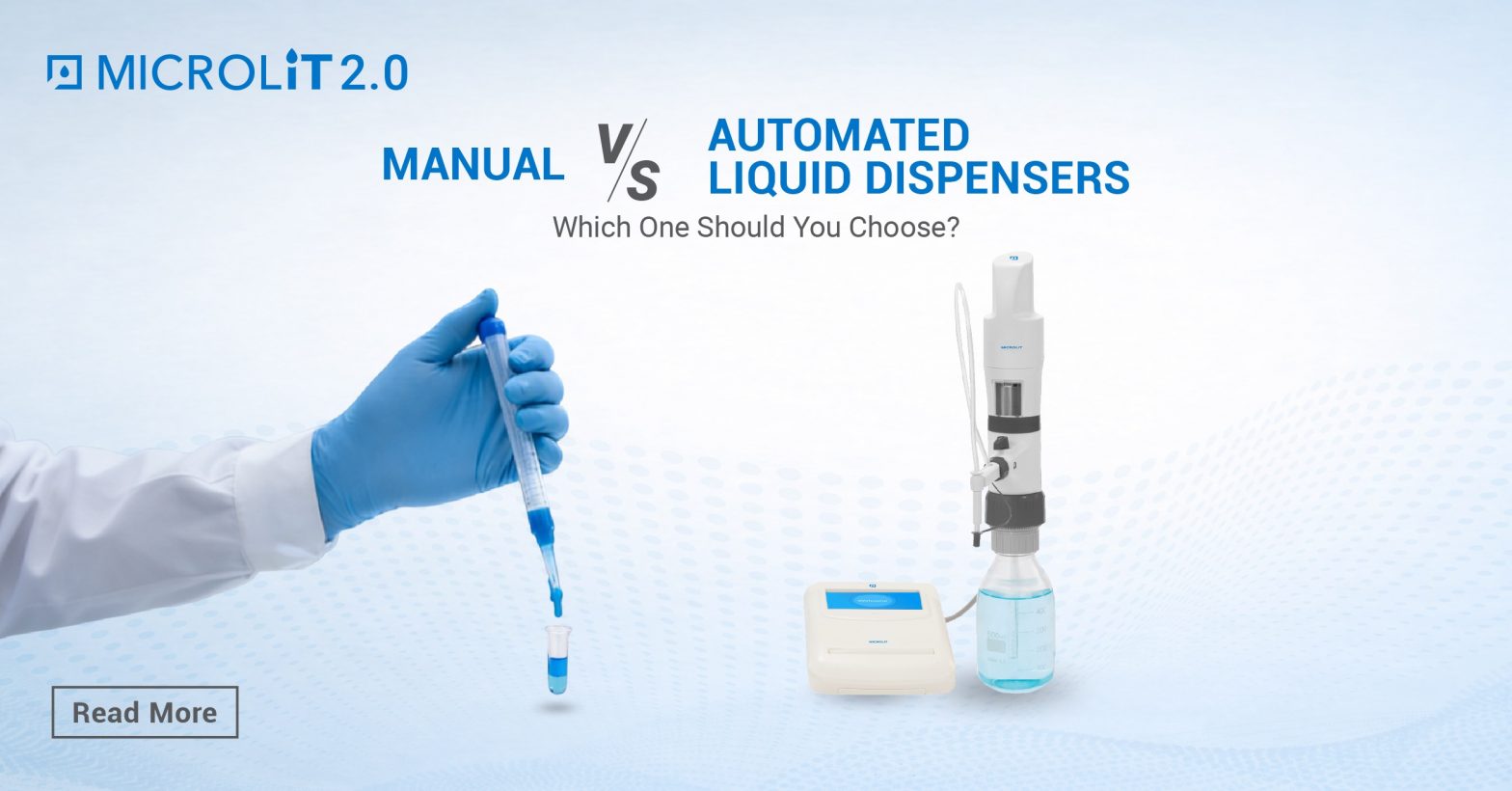
In any modern laboratory — whether academic, industrial, clinical or research-based — precision, consistency and efficiency in liquid handling are essential. From routine titration to complex reagent preparation, selecting the right liquid dispensers and laboratory dispensing equipment will significantly impact data quality, workflow efficiency and user comfort. Among the most common choices are manual liquid dispensers and automated liquid dispensers. Each class of instrument has its place, advantages and limitations. Understanding these differences helps laboratories make informed decisions tailored to their needs.

Understanding Manual Liquid Dispensers

Traditional manual dispensers, including manual bottle-top dispensers, have been the backbone of laboratory liquid dispensers for decades. These tools rely on a piston or plunger mechanism operated by hand. By pulling and pressing a plunger while controlling volume with a dial or knob, the user draws liquid from a reservoir and dispenses it into the receiving vessel. The volumes are typically adjustable within a specific range, offering repeatable results when operated correctly. Manual systems are common in general laboratories, educational settings, field labs, and situations where simplicity is paramount.

Advantages of Manual Liquid Dispensers

  1. Simplicity – With no electronics or motors, manual liquid dispensers are straightforward to use and maintain. There’s no training required beyond basic operation.
  2. Cost-Effective – Manual options generally have a lower purchase cost; they are ideal for laboratories on tight budgets or for occasional use.
  3. Durable & Portable – With fewer moving parts and no electrical components, they are robust and suitable for field or remote applications.

Limitations of Manual Dispensers

  • Manual systems are user-dependent, which means precision and repeatability can vary with technique and operator fatigue.
  • They are less ideal for repetitive, high-throughput tasks, as extended manual use increases the likelihood of inconsistency and strain.

In many basic lab workflows — routine reagent transfer, occasional dilutions, and general solution handling — manual dispensers fulfill needs competently and efficiently.

What Are Automated Liquid Dispensers?

Automated liquid dispensers represent the next evolution in laboratory liquid dispensers, incorporating motorized pistons, digital interfaces, and programmable controls to automate the aspiration and delivery of liquids. These devices are especially important in highly controlled, high-throughput, or precision-sensitive environments such as pharmaceutical labs, clinical diagnostics, and analytical chemistry workflows.

Advantages of Automated Liquid Dispensers

  1. Precision & Accuracy – With digital control of piston movement and volume settings, automated systems deliver consistent and highly accurate results, minimizing human error.
  2. High Throughput Efficiency – Programmable modes allow automated delivery of repeated volumes, saving time and reducing operator fatigue for large workflows.
  3. Enhanced Features – Many electronic dispensers include data memory, volume presets, multi-dispense modes, and even integration with laboratory information management systems (LIMS).
  4. Ergonomics & Comfort – Automation reduces repetitive strain and improves user comfort — a significant factor in high-volume labs.

Limitations of Automated Dispensers

  • Higher upfront costs and occasional maintenance of electronic components make automated units a bigger investment.
  • Training may be required to operate advanced features effectively.

Both manual and automated dispensers have their place. For laboratories where precision, speed, and reproducibility matter most, automated systems offer compelling long-term value. Meanwhile, manual tools remain valuable where simplicity, durability, and cost effectiveness are priorities.

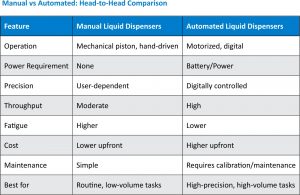
Manual vs Automated: Direct Comparison

This side-by-side comparison highlights that while manual dispensers are simple and cost-effective, they lack automation and the reproducibility offered by electronic solutions.

Microlit Bottle Top Dispensers – Manual Liquid Dispensers with Outstanding USPs

In the realm of laboratory dispensing equipment, bottle top dispensers remain one of the most important categories of manual liquid dispensers. Designed to mount directly onto reagent bottles and dispense accurate volumes safely and conveniently, Microlit® Bottle Top Dispensers represent some of the most versatile and reliable manual tools available.

All Microlit Bottle Top Dispenser variants benefit from patented innovations such as EasyKnob® and FlexiNozzle®, which improve usability, flexibility, and comfort — regardless of the specific model chosen.

Microlit SCITUS Bottle Top Dispenser

The Microlit SCITUS is engineered for high precision and chemical compatibility in general laboratory tasks. It features SpringlessValve® technology for smooth, jam-free operation and supports a broad range of reagents and solvents. Its PTFE piston and easy-to-adjust volume knob make it ideal for daily dispensing needs with excellent reliability and ergonomics.

Microlit BEATUS Bottle Top Dispenser

The Microlit BEATUS expands on SCITUS with Recirculation Valve technology. This design prevents reagent loss during priming and ensures bubble-free dispensing — a crucial advantage when handling expensive or limited-volume solutions. It also comes with adjustable nozzle and ergonomic features that enhance user control and comfort.

Microlit LENTUS® Bottle Top Dispenser

For harsh chemicals and highly corrosive acids like Hydrofluoric acid, the Microlit LENTUS® model stands out. Designed with advanced materials and robust SpringlessValve® technology, LENTUS® offers top-tier chemical compatibility and safety. It combines precise control with additional operational flexibility, making it suitable for demanding laboratory environments where reagent safety and performance are non-negotiable.

Microlit ULTIMUS Bottle Top Dispenser

The Microlit ULTIMUS represents the most sophisticated offering among manual bottle top dispensers. Featuring patented Dual Inlet® technology, ULTIMUS enables four liquid handling modes — standard dispensing, purging, rinsing/dilution, and bottle refilling — without dismounting the device from the reagent vessel. This dramatically enhances operational versatility.

Each Microlit dispenser model comes with calibration certificates conforming to international standards, ensuring confidence and traceability in laboratory applications.

Which Should You Choose?

Choose Manual Liquid Dispensers If

  • You need cost-effective, reliable equipment for routine liquid handling.
  • Your operations are low to moderate in volume and don’t demand ultra-high precision.
  • Portability, simplicity, and ease of maintenance are priorities.

Microlit Bottle Top Dispensers are excellent choices in this category, offering high precision and ergonomic design with minimal training requirements — ideal for general lab environments.

Choose Automated Liquid Dispensers If

  • Your laboratory handles high throughput workflows.
  • The highest levels of precision and reproducibility are crucial.
  • You require programmable dispensing methods, reduced operator fatigue and advanced digital controls.

Automated models justify their cost with long-term efficiency gains and reduced variability — especially in regulated, high-stakes environments.

Conclusion

Choosing between manual liquid dispensers and automated liquid dispensers largely depends on your laboratory’s workflow, accuracy requirements, throughput and budget. Manual dispensers like Microlit’s range of bottle top dispensers bring simplicity, ergonomic design and cost-effective performance to everyday liquid handling. Automated dispensers raise the bar with precision, speed, and advanced programmable features to meet the demands of modern, high-performance labs. Both classes remain integral to effective laboratory dispensing equipment strategies, and selecting the right tool ensures better results, safer workflows, and more productive researchers.

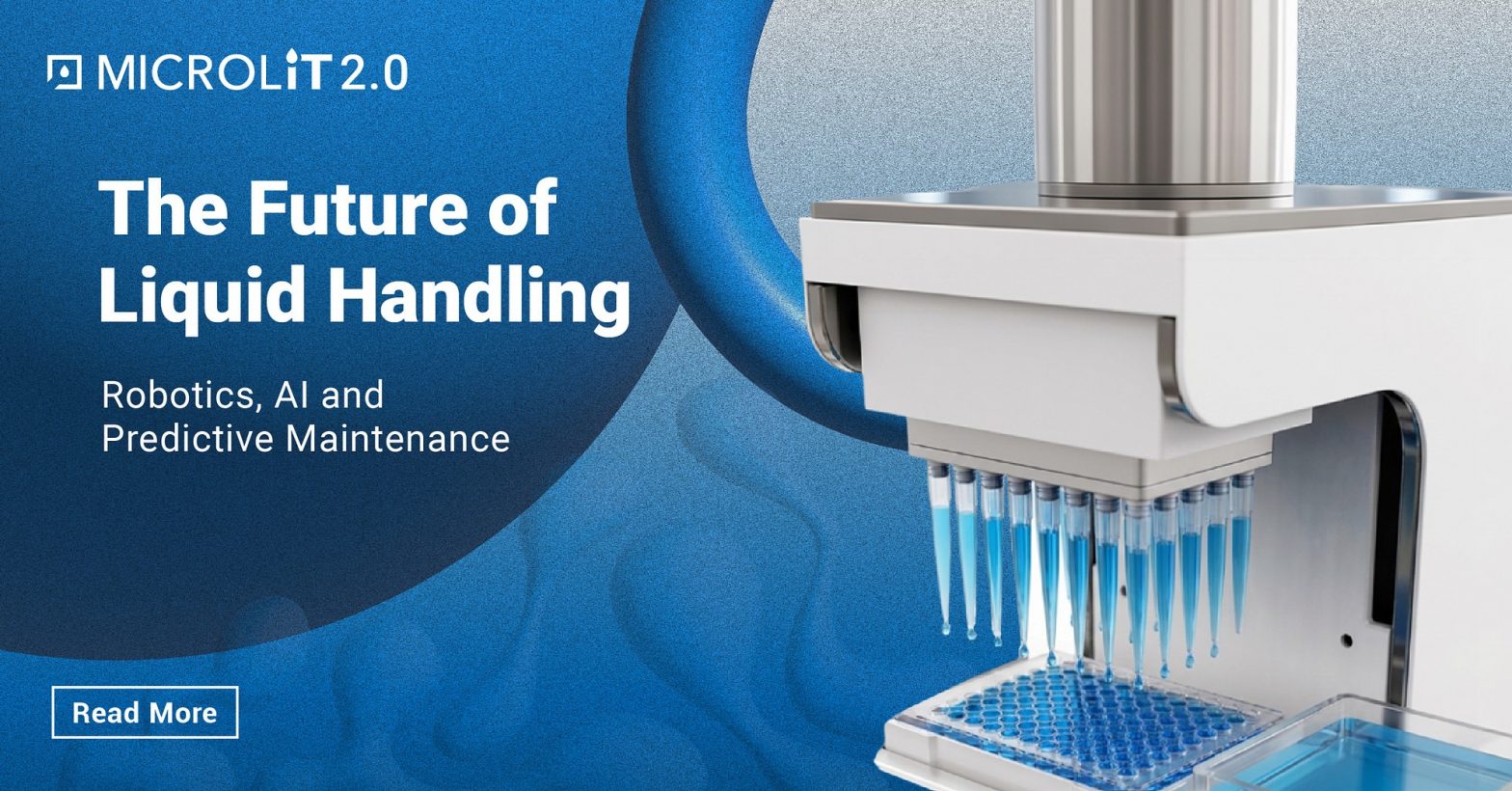
The Future of Liquid Handling: Robotics, AI, and Predictive Maintenance

Liquid handling is the backbone of modern laboratories, supporting applications ranging from basic research and diagnostics to pharmaceutical development and biotechnology. Traditionally, pipetting and sample preparation have relied heavily on manual or semi-automated processes. While these methods have served laboratories well for decades, they are increasingly challenged by growing sample volumes, demand for higher accuracy, tighter timelines and stricter regulatory requirements.
As laboratories move toward higher efficiency and digital transformation, the future of liquid handling is being reshaped by robotics, artificial intelligence (AI) and predictive maintenance. Together, these technologies are revolutionizing how laboratories operate—making workflows faster, smarter, more reliable and less prone to human error.

The Evolution of Liquid Handling Systems

Liquid handling has evolved from simple glass pipettes to advanced electronic and automated systems. Early manual pipetting required skilled technicians and careful technique to maintain accuracy. While manual pipettes remain widely used, they are limited by operator fatigue, variability and scalability.

The next phase introduced automated liquid handling systems, which reduced hands-on time and improved reproducibility. Today, the field is entering a new era—one defined by intelligent automation, where robotics, AI-driven decision-making and data analytics work together to optimize laboratory performance.

Robotics: Automating Precision and Throughput

The Rise of Robotic Liquid Handling

Robotics has become a cornerstone of modern liquid handling. Robotic liquid handling platforms can perform repetitive pipetting tasks with extreme precision and consistency, operating continuously without fatigue.

These systems are now widely used in:

  • High-throughput screening
  • Genomics and proteomics
  • Drug discovery and development
  • Clinical diagnostics
  • Large-scale sample processing

Advantages of Robotic Liquid Handling

Robotic systems offer several advantages over manual methods:

  • High precision and repeatability, even at very low volumes
  • Increased throughput, processing hundreds or thousands of samples per day
  • Reduced human error and operator variability
  • Improved safety, minimizing exposure to hazardous or infectious samples

Robotic arms, integrated pipetting modules and automated tip handling systems work together to deliver consistent results, making robotics indispensable in large and regulated laboratories.

Artificial Intelligence: Making Liquid Handling Smarter

AI Beyond Automation

While robotics focuses on physical automation, artificial intelligence brings cognitive capabilities to liquid handling systems. AI enables machines to analyze data, learn from past performance and adapt workflows in real time.

In liquid handling, AI is used to:

  • Optimize pipetting parameters
  • Detect anomalies or errors during dispensing
  • Improve accuracy based on liquid properties
  • Adjust protocols automatically for different sample types

AI-Driven Optimization

Different liquids behave differently. Viscous samples, foaming reagents, or volatile solvents can affect pipetting accuracy. AI algorithms can analyze dispensing patterns, sensor data and environmental conditions to dynamically adjust aspiration speed, dispense height or mixing cycles.

This level of adaptability allows AI-powered liquid handlers to deliver:

  • Better accuracy across diverse liquid types
  • Reduced reagent waste
  • Improved reproducibility across experiments

AI and Data Integration

AI systems also integrate seamlessly with laboratory information management systems (LIMS). By analyzing historical data, AI can recommend optimized workflows, flag inconsistent results and help scientists make data-driven decisions faster.

Predictive Maintenance: Preventing Downtime Before It Happens

What Is Predictive Maintenance?

Predictive maintenance uses sensors, data analytics, and machine learning to predict when equipment components are likely to fail—before they actually do. Instead of following fixed service schedules or reacting to breakdowns, laboratories can proactively maintain their liquid handling systems.

How Predictive Maintenance Works in Liquid Handling

Modern liquid handling instruments are equipped with sensors that monitor:

  • Motor performance
  • Pipetting accuracy
  • Tip ejection force
  • Temperature and humidity
  • Usage cycles and wear patterns

AI-driven algorithms analyze this data continuously to identify early signs of wear or malfunction.

Benefits of Predictive Maintenance

Predictive maintenance offers significant advantages:

  • Reduced unplanned downtime
  • Lower maintenance costs
  • Extended equipment lifespan
  • Improved reliability and consistency

For laboratories operating under tight deadlines—such as clinical diagnostics or pharmaceutical manufacturing—predictive maintenance ensures uninterrupted workflows and regulatory compliance.

The Convergence of Robotics, AI, and Predictive Maintenance

The real power of future liquid handling systems lies in the integration of robotics, AI and predictive maintenance. Together, these technologies create intelligent platforms that are not only automated but also self-monitoring and self-optimizing.

Smart, Connected Liquid Handling Systems

In the future, liquid handling platforms will:

  • Automatically adjust protocols based on sample type
  • Detect and correct pipetting errors in real time
  • Schedule maintenance without human intervention
  • Provide performance analytics and usage insights

Such systems will operate as part of a fully connected laboratory ecosystem, communicating with incubators, analyzers and data management platforms.

Impact on Different Laboratory Sectors

Pharmaceutical and Biotechnology Research

In drug discovery, where thousands of compounds must be screened quickly and accurately, intelligent liquid handling systems dramatically improve efficiency and reproducibility. AI-driven optimization reduces reagent waste and accelerates time-to-result.

Clinical and Diagnostic Laboratories

For diagnostics, consistency and reliability are critical. Robotics and predictive maintenance ensure high uptime and standardized results, supporting large-scale testing and regulatory compliance.

Academic and Research Laboratories

Even smaller research labs benefit from smarter liquid handling through improved accuracy, reduced manual workload, and better use of limited resources.

Challenges and Considerations

Despite their benefits, advanced liquid handling technologies also present challenges:

  • High initial investment costs
  • Need for skilled personnel to manage and interpret data
  • Integration with existing laboratory infrastructure

However, as technology matures and adoption increases, costs are expected to decrease, making intelligent liquid handling more accessible across laboratories of all sizes.

The Role of Human Expertise in the Future Lab

Importantly, robotics and AI are not replacing scientists—they are empowering them. By automating repetitive tasks and equipment monitoring, researchers can focus on experimental design, data interpretation, and innovation.

Human expertise remains essential for:

  • Designing experiments
  • Validating results
  • Making scientific judgments
  • Driving discovery and innovation

The future laboratory is a collaborative environment where humans and intelligent machines work together.

Looking Ahead: What the Future Holds

The future of liquid handling is moving toward:

  • Fully autonomous laboratories
  • AI-driven protocol design
  • Cloud-connected instruments
  • Real-time performance analytics
  • Sustainable liquid handling with reduced waste

As robotics, AI, and predictive maintenance continue to advance, liquid handling systems will become more accurate, reliable and adaptive than ever before.

Conclusion

The future of liquid handling is being shaped by the powerful combination of robotics, artificial intelligence, and predictive maintenance. These technologies are transforming laboratories from manual, labor intensive environments into intelligent, data-driven ecosystems.

By improving precision, reducing errors, minimizing downtime, and optimizing workflows, next-generation liquid handling systems are enabling faster discoveries and more reliable results. As laboratories embrace these innovations, liquid handling will no longer be just a routine task—it will be a strategic driver of scientific progress.

In the years ahead, intelligent liquid handling will play a central role in advancing research, diagnostics and healthcare worldwide, marking a new era of efficiency, accuracy and innovation in the laboratory.

Burette Usage and Reading in Chemistry: Common Errors and How to Avoid Them

In chemistry laboratories, titration is one of the most widely used quantitative techniques for determining the concentration of an unknown solution. A key piece of equipment in titration experiments is the burette, a long, graduated glass tube with a stopcock at the bottom that allows precise measurement and delivery of liquids. Accurate results in titration heavily depend on proper burette handling techniques and knowing how to read a burette correctly. In this blog, we will explore common burette errors in titration, discuss correct use of burette and provide practical tips to avoid mistakes, including a look at modern innovations like Microlit’s E-Burette.

Understanding the Burette

A burette is designed to deliver liquid volumes with high precision, typically measured to ±0.05 mL. Its graduations usually start at zero at the top and increase toward the bottom, allowing easy measurement of the volume of liquid dispensed. Proper burette handling techniques are essential to maintain accuracy and ensure safety in the lab.

Before using a burette, it must be rinsed with the solution it will contain. This prevents dilution or contamination, which could lead to systematic errors. After filling the burette, always remove air bubbles from the tip to avoid discrepancies in volume measurement.

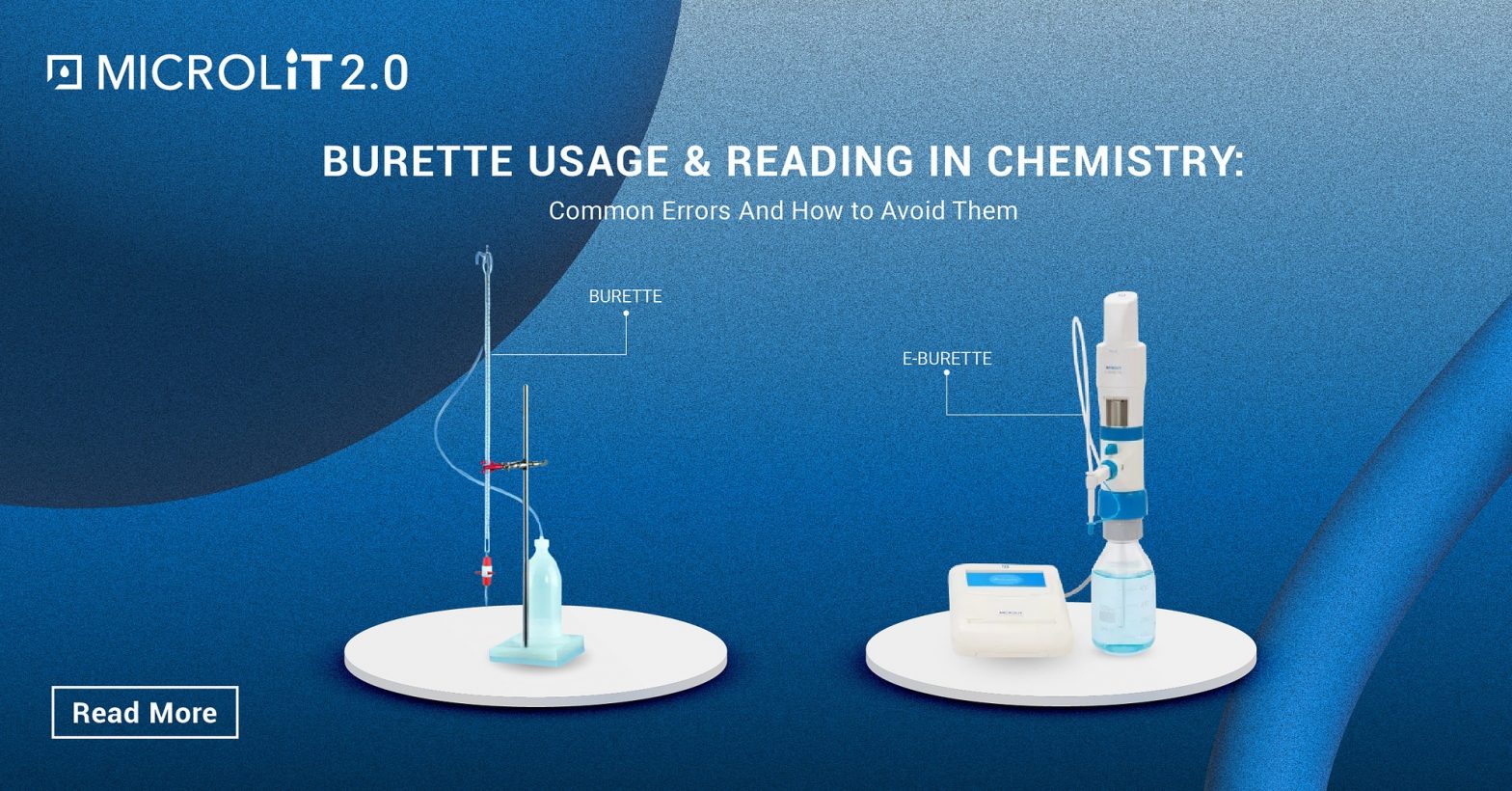
Modern laboratories sometimes use digital/electronic burettes, such as Microlit’s E-Burette, which provide electronic readings of the dispensed volume, improving accuracy and reducing human errors. The E-Burette combines precise delivery with an easy-to-read digital display, which is especially helpful for students or researchers aiming to minimize burette errors in titration.

Common Burette Errors in Titration

Even experienced chemists can make mistakes while using a burette. Here are some of the most frequent burette errors in titration and how to avoid them:

  1. Parallax Error

One of the most common errors in titration is a parallax error, which occurs when the meniscus is read from an angle rather than at eye level. The meniscus is the curved surface of the liquid, and in most cases, the bottom of the meniscus is used for readings. Failing to read it correctly can lead to systematic errors in the volume measurement.

Tip: Always bring your eyes to the level of the meniscus and read the bottom for accurate measurement. Digital burettes like Microlit’s E-Burette help reduce parallax errors entirely, as the volume is displayed digitally.

  1. Air Bubbles in the Burette Tip

Air bubbles trapped in the burette tip can cause the volume delivered to be less than indicated, leading to burette errors in titration. This is especially problematic when performing precise titrations, as even a small air bubble can affect results significantly.

Tip: Before starting the titration, run a small amount of the solution through the burette tip to expel air bubbles. Check the tip periodically during the experiment to ensure no bubbles form.

  1. Improper Burette Filling

Overfilling or underfilling the burette can cause measurement errors. Filling above the zero mark can lead to spillage, while underfilling might require multiple refills, increasing the chance of error.

Tip: Fill the burette slightly above the zero mark, then drain a small amount to reach exactly zero. This ensures consistent volume readings from the start.

  1. Inconsistent Flow Rate

The speed at which the liquid is released can also affect accuracy. Releasing the liquid too quickly may cause splashing or incomplete delivery, whereas releasing it too slowly may lead to evaporation or time inefficiency.

Tip: Open the stopcock smoothly and maintain a controlled flow rate, especially as you approach the endpoint of the titration. Some digital burettes, like Microlit’s E-Burette, have precise dispensing controls to maintain a consistent flow rate, reducing this type of error.

  1. Residual Liquid on the Burette Walls

If the inner walls of the burette are wet with the titrant before reading, the remaining liquid may cling to the glass unevenly, leading to inaccurate readings. This is another frequent burette error in titration.

Tip: Rinse the burette with the titrant solution before use and ensure that any remaining drops are consistent along the walls.

Correct Use of Burette

To minimize errors and ensure reliable results, follow these burette handling techniques:

  1. Rinse Before Use: Always rinse the burette with the solution it will hold. This prevents dilution errors and ensures uniform concentration.
  2. Check for Leaks: Inspect the stopcock and tip for leaks before starting the titration. Even small leaks can drastically affect results.
  3. Zeroing the Burette: Fill the burette slightly above the zero mark, then carefully adjust to exactly zero. Ensure no air bubbles remain in the tip.
  4. Controlled Delivery: Open the stopcock slowly and maintain a smooth flow. Avoid sudden spurts that may cause splashing or loss of solution.
  5. Consistent Reading Technique: Always read the meniscus at eye level and note the volume accurately. Record readings consistently at the bottom of the meniscus.

Following these steps ensures the correct use of burette and helps reduce errors in titration experiments. For digital options like Microlit’s E-Burette, steps like reading the meniscus are simplified, as the electronic display provides precise volume readings, reducing human error.

How to Read a Burette Correctly

Proper reading of a burette is crucial for accurate titration results. Here’s a step-by-step guide on how to read a burette correctly:

  1. Position Your Eyes at Meniscus Level: Place your eyes at the same level as the liquid surface to avoid parallax error.
  2. Identify the Meniscus: Look for the curved surface of the liquid. For most aqueous solutions, read the bottom of the meniscus. For solutions that form convex menisci (like mercury), read the top.
  3. Estimate Between Graduations: If the meniscus lies between two graduations, estimate the volume to the nearest 0.01 mL if possible.
  4. Record Immediately: Write down the reading as soon as it is taken to avoid mistakes.

Digital burettes like Microlit’s E-Burette eliminate the need for manual meniscus reading entirely, providing a digital display with highly accurate measurements. This is especially helpful for students and professionals seeking to reduce burette errors in titration.

Avoiding Burette Errors in Titration

Here’s a quick summary of practical tips to avoid burette errors in titration:

  • Rinse the burette with the titrant before use.
  • Remove air bubbles from the tip.
  • Fill the burette slightly above zero and then adjust carefully.
  • Maintain controlled flow and avoid splashing.
  • Always read the meniscus at eye level (or use a digital burette).
  • Ensure the burette is clean and free from residual liquid.
  • Avoid distractions and record readings immediately.

By following these steps, you can minimize errors and achieve consistent, accurate results in titration experiments. Using a digital burette like Microlit’s E-Burette can make this process even more reliable by reducing human error and improving reproducibility.

Conclusion

The burette is an indispensable tool in chemistry labs, enabling precise measurement of liquids during titration. However, errors in burette handling techniques or reading can significantly affect results. By understanding common burette errors in titration, mastering how to read a burette correctly and practicing the correct use of burette, students and chemists can improve their experimental accuracy and reliability.

Modern innovations like Microlit’s E-Burette take this a step further by combining electronic precision with user-friendly operation, helping both beginners and experts minimize mistakes and focus on accurate results. Whether using a traditional glass burette or a digital one, attention to detail and proper technique remain key to successful titration.