• Multiple Offers
    Multiple Offers
  • Support
    Real-Time Support
  • Free Replacement
    1-Year Free Replacement Warranty
  • (732) 321-0852

How Electronic Dispensers Are Revolutionizing Lab Efficiency

In today’s fast-paced scientific landscape, laboratories are under constant pressure to deliver results with greater speed, precision, and consistency. Whether it’s pharmaceutical research, food and beverage testing, or environmental monitoring, efficiency has become the currency of modern laboratories. Traditionally, liquid handling tasks such as titration and reagent dispensing were performed manually, often consuming significant time and effort while leaving room for error.

This is where electronic dispensers are rewriting the rules. With advanced automation, smart features, and ergonomic designs, they are revolutionizing how labs approach liquid handling. One standout innovation in this space is the Microlit E-Dispenser, a state-of-the-art instrument that combines dispensing and titration in one compact device. By blending accuracy with convenience, it is quickly becoming a must-have for labs looking to maximize productivity without compromising quality.

The Shift Toward Smart Liquid Handling

The push toward automation in laboratories isn’t just a trend; it’s a necessity. Researchers are increasingly turning to digital tools to minimize human error, reduce reagent waste, and streamline repetitive tasks. Electronic dispensers embody this shift by offering programmable precision that manual methods simply cannot match.

Unlike conventional bottle-top dispensers that rely on manual control, electronic dispensers use motorized pistons to deliver liquid with high accuracy. This not only ensures reproducibility across experiments but also significantly reduces the physical strain associated with repetitive pipetting and titration. For labs handling large sample volumes daily, these advantages can translate into hours saved and far fewer errors, directly boosting efficiency.

Why the Microlit E-Dispenser Stands Out
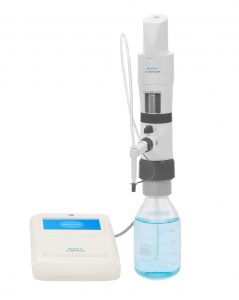
E DISPENSER Picture Copy

Among the many solutions available, the Microlit E-Dispenser has quickly earned a reputation for being one of the most versatile and reliable instruments on the market. Designed to be more than just a dispenser, it also functions as an electronic burette, allowing laboratories to perform titrations with exceptional accuracy.

Its 4-inch TFT touchscreen, operated with a stylus, makes navigation and operation intuitive, even for beginners. Researchers can quickly set volumes, monitor titrations visually, and switch between modes seamlessly. With multiple programmable options, the device adapts to various experimental needs, making it a flexible companion across industries.

Key Features That Boost Efficiency

While its sleek design and usability make it attractive, it is the core features of the Microlit E-Dispenser that truly elevate lab efficiency:

  • Dual Functionality: Acts as both an electronic dispenser and burette, reducing the need for multiple instruments.
  • Multiple Dispensing Modes: Choose from Automatic, Serial, and Stepper modes depending on the complexity of your experiment.
  • Smart Memory Programs: Store up to 10 dispensing sequences, saving time on repetitive procedures.
  • 4-Inch Touchscreen Display: Easy-to-use interface with stylus for precise control.
  • Recirculation Mode: Minimizes reagent waste and prevents air bubble formation during purging.
  • FlexiNozzle® Technology: Allows easy adjustment of the dispensing nozzle for user comfort.
  • High Accuracy and Reproducibility: Available in 10, 25, and 50 ml models with industry-leading precision.
  • Award-Winning Design: Recognized by Good Design and CII Industrial Innovation Awards.

These features collectively ensure that routine lab tasks become faster, more reliable, and less prone to error – key drivers of operational efficiency.

Real-World Applications Across Industries

The versatility of the Microlit E-Dispenser makes it valuable in a wide range of settings. In pharmaceutical research and quality control, for example, precise liquid dispensing is critical for drug formulation and regulatory compliance. The device’s reproducibility ensures consistency across batches, minimizing costly errors.

Environmental labs benefit from its accuracy during titrations of water samples, where even minor inconsistencies can alter contamination readings. In the food and beverage industry, it supports formulation and quality checks by enabling exact measurements of ingredients and additives. Even in petrochemicals and analytical chemistry, where handling solvents demands precision, the E-Dispenser delivers reliable performance while reducing manual workload.

Why the E-Dispenser Is Worth the Investment

  • Long-Term Value vs. Manual Dispensers
    While manual options cost less upfront, electronic dispensers pay off in labour savings, reagent economy, and reduced error—especially in high-volume labs.
  • Enhanced Data Integrity & Traceability
    Digital controls and memory features support regulatory needs and lab documentation.
  • User Satisfaction & Reduced Fatigue
    Ergonomic designs and intuitive interfaces improve operator comfort and performance.
  • Safety & Waste Reduction
    Recirculation mode and controlled dispensing lower the risk of spills, contamination, and reagent waste.

A Step Toward the Future of Laboratories

The Microlit E-Dispenser is more than just a piece of equipment; it is a glimpse into the future of laboratory technology. As the industry moves toward digital transformation, tools that combine automation, accuracy, and user-friendly interfaces will become the norm. The E-Dispenser aligns perfectly with this shift, empowering labs to handle complex workflows with confidence and efficiency.

By reducing manual dependency, standardizing outcomes, and promoting sustainability, electronic dispensers are poised to become a cornerstone of next-generation laboratories. For researchers and lab managers seeking to enhance efficiency without compromising reliability, the Microlit E-Dispenser offers a solution that is both innovative and practical.

Final Thoughts: The Future of Liquid Handling

Electronic dispensers like Microlit’s E-Dispenser are not just instruments; they are catalysts for transforming lab workflows. By integrating automation, precision, and user-centric design, they empower researchers to achieve more with less effort.

As labs globally trend toward digital transformation and smart instrumentation, these tools, which embody lab automation, precision dispensing, and optimized workflows, are driving the next wave of scientific productivity.

Ready to elevate your lab’s efficiency with cutting-edge dispensing technology? The Microlit E-Dispenser, award-winning, accurate, and automated, is a game-changer for modern laboratories.

To know more about Microlit products or its Electronic Dispensers range, please contact at info-usa@microlit.com or visit the website www.microlit.us.
Top Industrial Applications of Peristaltic Pumps and How to Choose the Right Manufacturer

Fluid handling plays a pivotal role in industries where accuracy, purity, and automation are non-negotiable. The peristaltic pumps, with their unique mechanism that isolates fluid within tubing, have emerged as the go-to solution in pharmaceuticals, food and beverage, chemical processing, water treatment, and laboratory automation. By preventing any contact between fluid and pump components, it ensures sterility, safety, and compatibility with a wide range of fluids.

This article examines the top industrial applications of peristaltic pumps and offers a comprehensive guide to selecting the ideal manufacturer. We also highlight how Microlit, with its three advanced peristaltic pump models; Speed Variable, Clever Flow, and Intelligent Dispensing, offers solutions tailored to diverse industrial needs.

Before diving deeper, let’s take a quick overview of what a Peristaltic Pump is and how it works.

What is a Peristaltic Pump?

A peristaltic pump is a type of positive displacement pump that moves fluids through a flexible tube by compressing and releasing it in a wave-like motion. Rollers or shoes inside the pump head squeeze the tubing, pushing the liquid forward, while the tubing itself acts as the only contact point with the fluid. This simple yet highly effective mechanism ensures sterility, reduces contamination risks, and allows safe transfer of sensitive or corrosive liquids. In fact, the U.S. FDA’s Infusion Pump Improvement Initiative highlights how peristaltic systems are widely used in medical and pharmaceutical applications where patient safety and accuracy are non-negotiable.

Basic Components / Parts of a Peristaltic Pump

A peristaltic pump is made up of a few essential parts that work together to ensure smooth and precise fluid transfer:

  1. Pump Head – Houses the rollers or shoes that compress the tubing.
  2. Rollers/Shoes – Apply pressure on the tubing to move the fluid forward.
  3. Flexible Tubing – The channel through which the fluid flows.
  4. Rotor – Drives the rollers in a circular motion.
  5. Housing/Enclosure – Protects the pump mechanism and provides durability.
  6. Drive Motor – Powers the rotor and controls pumping speed.
  7. Control System – Allows adjustments in flow rate, direction, and automation.

How Does a Peristaltic Pump Work?

The working principle of a peristaltic pump is based on peristalsis, a natural process similar to how food moves through the human digestive system. As the rollers move in a circular motion, they compress the tubing at specific points, creating a seal that pushes the liquid forward. Once the roller passes, the tube returns to its original shape, drawing in more liquid. This cycle ensures a continuous, controlled, and pulse-free flow.

Key advantages of this mechanism include:

  • No direct contact between liquid and pump components.
  • Ability to handle viscous, abrasive, or chemically aggressive fluids.
  • Simple maintenance with easy tubing replacement.

Peristaltic pumps have become an essential tool in industries where precision, sterility, and reliability are non-negotiable. Their unique working principle ensures contamination-free operation, making them suitable for applications ranging from pharmaceuticals and food processing to water treatment and chemical handling. By understanding how these pumps work, their core components, and the industries they serve, businesses can better appreciate their value.

How to Choose the Right Peristaltic Pump Manufacturer

Selecting the right peristaltic pump manufacturer requires careful evaluation of several factors. First, application suitability is crucial: laboratories, for example, demand low-flow precision pumps, while industrial setups may require high-pressure, heavy-duty systems. Second, the availability of high-quality tubing options—such as silicone, Neoprene, Pharmed, or Viton—is essential for ensuring chemical compatibility and durability.

Performance parameters, such as flow range, calibration accuracy, and pressure tolerance, should also be taken into account. In modern facilities, control and integration capabilities play a vital role, with advanced models offering touchscreen operation, programmable modes, and RS485/Modbus connectivity for automation. Furthermore, regulatory compliance matters—pharma and food industries may require FDA or CE certifications, while chemical plants may demand ATEX-rated devices. Finally, reliable after-sales support, easy tubing replacement, and comprehensive documentation ensure smooth long-term operation.

Microlit Peristaltic Pump Models: Technical Features at a Glance

Microlit offers three advanced peristaltic pump model families – each available in both ABS engineering plastic and 304 Stainless steel housings to suit varying environmental needs. Here’s a breakdown:

  1. Speed Variable Peristaltic Pump

This model is built for fundamental yet durable performance, offering precise control with essential functionality.

Technical Highlights:

Flow Rate & Speed:

  • MP110B/C: 0.00011–750 ml/min at 0.1–150 RPM
  • MP310B/C: 0.005–1,750 ml/min at 0.1–350 RPM
  • MP610B/C: 0.005–3,000 ml/min at 0.1–600 RPM

Key Functions:

  • Start/stop, speed control, forward/reverse, full-speed operation.
  • Delay start/stop, anti-drop (slow-stop suction), multi-segment dispensing.
  • Power-down memory for state retention.

Interfaces:

  • LCD display; analog speed input (0–5 V, 0–10 V, 4–20 mA).
  • RS485 with Modbus; optional WiFi; external control for start/stop and direction.
  1. Clever Flow Peristaltic Pump

Engineered for enhanced precision and programmability, this pump is ideal for complex lab workflows.

Technical Highlights:

Flow Rate & Speed:

  • MP110C: 0.00011–750 ml/min at 0.1–150 RPM
  • MP300C: 0.005–1,750 ml/min at 0.1–350 RPM
  • MP600C: 0.005–3,000 ml/min at 0.1–600 RPM

Advanced Functions:

  • 3″ color touchscreen + keypad.
  • Flow or speed parameter input, back suction, flow calibration wizard.
  • Temperature-controlled heat dissipation; program modes (up to 80 instructions); storage memory.

Connectivity:

  • RS485 + Modbus; app-based WiFi remote operation including alarms and tube reminders.
  1. Intelligent Dispensing Peristaltic Pump

This premium series delivers advanced programmability and precision for demanding workflows.

Technical Highlights:

Flow Rate & Speed:

  • MP110I: 0.00011–750 ml/min at 0.1–150 RPM
  • MP310I: 0.005–1,750 ml/min at 0.1–350 RPM
  • MP610I: 0.005–3,000 ml/min at 0.1–600 RPM

Superior Features:

  • Color touchscreen + keypad, LF-Touch-OS interface.
  • Four dispensing modes: flow, volume, timed, program (transfer/cycles).
  • Advanced motor-angle control increases accuracy beyond simple time-based dosing.
  • Stores up to 5 working parameter sets, with a calibration wizard for precise dispensing.

Connectivity:

  • RS485 with Modbus support for seamless system integration.

These models illustrate how Microlit marries advanced functionality with industrial resilience. Whether you’re dosing chemicals in wastewater setups or transferring reagents in labs, Microlit’s pumps offer flexibility, durability, and scalable control.

Why Microlit Stands Out

Microlit combines technical precision with user-centric design. Their peristaltic pumps are not just machines but productivity tools, offering reliability across continuous operations. The availability of different housings, flexible control modes, digital connectivity, and ergonomic accessories makes them equally suitable for small labs and heavy-duty industrial setups.

With certifications, award-winning design, and global adoption, Microlit has established itself as a trusted manufacturer for industries that cannot compromise on accuracy or safety.

Industrial Applications: Where Peristaltic Pumps Shine

Peristaltic pumps fulfill critical roles in:

  • Pharmaceutical & Biotech: Handling sterile media, APIs, and cell culture fluids without contamination risk.
  • Food & Beverage: Dispensing syrups, dairy, and flavorings hygienically.
  • Water/Wastewater: Delivering precise dosing of chemicals like chlorine and flocculants.
  • Chemical Processing: Safely transferring corrosive or viscous fluids with zero leakage.
  • Printing & Coatings: Pumping inks or adhesives without clogging.
  • Laboratories & OEM Systems: Ideal for chromatography, reagent dispensing, and analytical setups.

These diverse applications underscore the universal value of precise, non-contaminating, and self-priming pumps.

Final Thoughts: Optimize Fluid Handling with Smart Decisions

Peristaltic pumps are not just functional; they are foundational in industries where fluid integrity, precision, and safety cannot be compromised. From pasteurizing beverages to dosing APIs, these pumps are quietly enhancing efficiency worldwide.

To get the most from peristaltic technology:

  • Understand your application’s flow, pressure, and fluid characteristics.
  • Choose a manufacturer offering the right balance of control, compatibility, and support.
  • Don’t overlook integration and maintenance—modern workflows demand connectivity and simplicity.

Microlit’s three model families, Speed Variable, Clever Flow, and Intelligent Dispensing, offer tiered sophistication to suit everyday to complex workflows, all with stainless-steel or ABS options. These pumps help transform fluid handling into precise, reliable, and efficient operations.

In short, the right peristaltic pump, from the right manufacturer, can transform your operations from standard to exceptional.
To know more about Microlit products or its pipette range, please contact at info-usa@microlit.com or visit the website www.microlit.us.

Some Relevant FAQs

Q1. What are peristaltic pumps used for?
Peristaltic pumps are commonly used for transferring sterile, corrosive, or viscous fluids without contamination. They are widely applied in laboratories, medical equipment, and industries where fluid purity is crucial.

Q2. Can a peristaltic pump run dry?
Yes, peristaltic pumps can safely run dry without damaging the pump since the fluid only contacts the tubing, not the internal mechanism.

Q3. What is the difference between a normal pump and a peristaltic pump?
Unlike normal pumps, peristaltic pumps move fluids through flexible tubing using a squeezing action. This ensures that there is no direct contact between the pump and the liquid, thereby reducing contamination risks.

Q4. How deep will a peristaltic pump work?
Peristaltic pumps can work effectively at various depths depending on tubing size and motor strength, but they are best suited for low to medium head applications.

Q5. How much pressure can a peristaltic pump handle?
Most peristaltic pumps handle pressures up to 2–8 bar (30–120 psi), depending on the pump design and tubing material.

Prolonging the Lifespan of Your Bottle Top Dispenser: Maintenance Tips and Best Practices

A bottle-top dispenser is a precision instrument designed to simplify liquid dispensing processes, making it an essential tool in laboratories, chemical industries, and medical research facilities. Proper maintenance and handling are crucial to ensure its performance remains consistent and long-lasting. In this guide, we will explore actionable tips and best practices for maintaining your bottle-top dispenser to maximize its efficiency and lifespan.

Understanding Your Bottle Top Dispenser

Burette And Burette Stand

A bottle top dispenser is a device that enables accurate and safe dispensing of liquids directly from reagent bottles. It minimizes spillage, reduces contamination risks, and ensures precise measurements. These dispensers are especially valuable when working with corrosive chemicals, viscous liquids, or volatile solutions.

However, as robust as they are, these tools require care to function optimally. Without proper maintenance, wear and tear can result in inaccurate dispensing, contamination, or even complete failure of the device.

Why Maintenance Matters for Bottle Top Dispenser

Neglecting the upkeep of your bottle top dispenser can lead to several problems:

  1. Accuracy Deterioration: Deposits or residue can interfere with precise measurements.
  2. Chemical Corrosion: Certain chemicals can damage internal components over time.
  3. Contamination Risks: A poorly maintained dispenser can introduce impurities into your samples.
  4. Increased Costs: Frequent replacements or repairs can be costly, especially for high-end models.

Regular maintenance ensures your Bottle top dispenser operates smoothly, extends its service life, and maintains compliance with quality standards in laboratory processes.

Essential Maintenance Tips for Your Bottle-Top Dispenser

  • Cleaning and Disinfection: Regular cleaning is paramount to prevent contamination and ensure accurate dispensing.
  • Daily Cleaning: After each use, wipe down the bottle top dispenser body and dispensing head with a clean, lint-free cloth dampened with 70% isopropyl alcohol.
  • Periodic Deep Cleaning: Disassemble the dispenser according to the manufacturer’s instructions. Clean all parts thoroughly with a suitable detergent and distilled water. Soak parts in an appropriate disinfectant solution for the recommended time. Rinse all parts thoroughly with distilled water and allow them to air dry completely before reassembly.

For applications requiring higher levels of sterility (e.g., pharmaceutical or biotechnology), consider autoclaving appropriate parts at 121°C (or 250°F) and 1 bar absolute (15 psi) for at least 15 minutes according to the manufacturer’s instructions and following all safety protocols.

Handling and Storage

  • Handle with Care: Avoid dropping or mishandling the Bottletop dispenser. Always hold it by the body, not the dispensing head.
  • Proper Storage: Store the dispenser in a clean, dry, and dust-free environment. If not in use for extended periods, store it with the dispensing head in the upright position to prevent contamination.
  • Temperature Considerations: Protect the dispenser from extreme heat or cold, which can damage internal components.

Calibration and Maintenance

  • Regular Calibration: Calibrate the bottle top dispenser according to the manufacturer’s instructions using certified calibration standards. The calibration frequency will depend on the specific application, use, and laboratory requirements, but typically at least every 6 months. In Microlit Bottle Top Dispensers, you receive a calibration tool that helps you calibrate the instrument quickly and easily. Refer to the Microlit Bottle Top Dispensers instruction manual for the calibration steps. Scitus Bottle Top Dispenser
  • Leak Detection: Inspect the bottle top dispenser regularly for any signs of leakage. If leakage occurs, identify the source and address it promptly. Replace any worn or damaged seals or gaskets.
  • Lubrication: Some dispensers may require periodic lubrication. Refer to the manufacturer’s manual for specific instructions and recommended lubricants.

Chemical Compatibility

  • Chemical Selection: Always check the chemical compatibility chart provided by the manufacturer. Use only chemicals that are compatible with the materials of the dispenser. Avoid using aggressive chemicals that can corrode or damage the dispenser. You can use a Microlit LENTUS Bottle top dispenser if you are using aggressive chemicals frequently in your lab.
  • Viscosity Considerations: Select a dispenser that is suitable for the viscosity of the liquid you intend to dispense. Using a dispenser with an inappropriate viscosity range can affect accuracy and damage the dispenser.

User Training and Preventive Maintenance

  • Proper Technique: Train all laboratory personnel on the proper use and handling of the bottle-top dispenser, including dispensing techniques, cleaning procedures, and safety precautions. Emphasize the importance of proper priming techniques to ensure accurate dispensing.
  • Preventive Maintenance: Conduct regular visual inspections of the dispenser to identify any signs of wear and tear, damage, or contamination. Establish a regular maintenance schedule for cleaning, calibration, and other preventative maintenance tasks. Maintain accurate records of all maintenance activities.

Manufacturer Recommendations

  • Consult the Manual: Always refer to the manufacturer’s instructions and recommendations for specific maintenance procedures and troubleshooting guidelines. Ensure you review any special considerations for the specific model of the dispenser before starting to use it.
  • Contact Support: If you encounter any problems or have any questions, contact the manufacturer’s technical support for assistance.

By following these maintenance tips and best practices, you can significantly extend the lifespan of your bottle-top dispenser, ensuring accurate and reliable dispensing for years to come.

Microlit offers a range of high-quality bottle-top dispensers renowned for their precision and reliability. These dispensers are designed for accurate and efficient liquid handling in various laboratory applications. Built with durable materials, they offer consistent and reliable dispensing volumes. Easy to clean and maintain, Microlit bottle-top dispensers are a valuable asset for any laboratory seeking dependable and efficient liquid handling solutions.

To know more about Microlit products or its Bottle Top Dispensers range, please contact at info-usa@microlit.com or visit the website www.microlit.us.
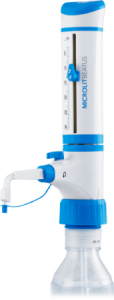
Do You Need a Multichannel Pipette for Your Lab?

Efficient liquid handling is a cornerstone of successful laboratory operations, especially in fields like molecular biology, diagnostics, and drug development. The right tools can drastically improve accuracy, throughput, and overall productivity. Among these tools, multichannel pipettes have emerged as game-changers for labs handling large sample volumes. But how do you know if your lab needs one? This blog explores the multichannel, its key advantages, and how they can revolutionize your workflow.

Introduction: What is a Multichannel Pipette?

A multichannel pipette is designed to simultaneously transfer liquid into multiple wells or containers. Instead of handling one sample at a time, a multichannel pipette allows users to dispense or aspirate liquid across 8, 12, or even 16 channels in a single operation.

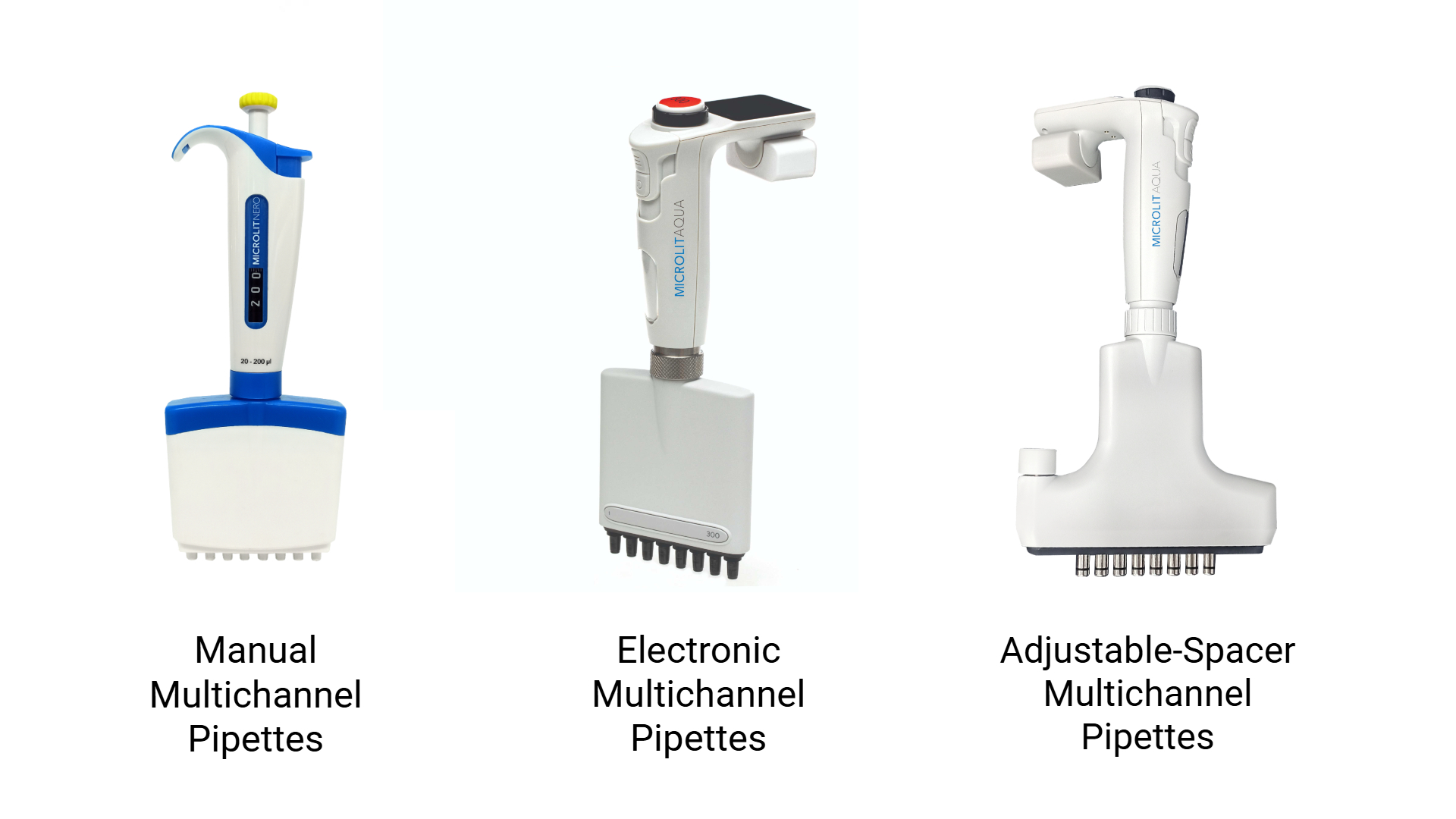
Types of Multichannel Pipettes

Multichannel pipettes are available in various designs to suit different lab needs.
Multichannel pipette Types

  1. Manual Multichannel Pipettes

These pipettes require manual operation but are ergonomically designed to reduce strain. They are cost-effective and suitable for routine tasks.

  1. Electronic Multichannel Pipettes

Electronic models offer automated pipetting functions, reducing user effort and increasing precision. Advanced features like programmable volume settings and adjustable speeds make them ideal for complex workflows.

  1. Adjustable-Spacer Multichannel Pipettes

These pipettes allow the spacing between channels to be adjusted, making them versatile for transferring liquids between plates, tubes, or reservoirs with varying formats.

Key Features of Multichannel Pipettes

  • Multiple ChannelsTypically available in 8 or 12 channels to match microplate formats (96-well or 384-well plates).
  • Consistent DispensingEnsures uniform liquid transfer across all channels, reducing errors.
  • Adjustable Tip SpacingOffers flexibility for transferring liquids between different well or tube formats.

Differences Between Multichannel and Single-Channel Pipettes


Feature Multichannel Pipette Single-Channel Pipette
Number of Channels Multiple (8, 12, or 16) channels Single channel
Design Purpose Transfers liquid into multiple wells simultaneously Transfers liquid into one well at a time
Throughput High throughput, ideal for repetitive tasks Low throughput, suitable for individual handling
Speed Faster due to simultaneous dispensing Slower as it handles one sample at a time
Applications Best for ELISA, PCR, and filling multi-well plates Suitable for sample preparation and small volumes
Accuracy Consistent across multiple channels but may vary slightly due to tip alignment Highly accurate for single transfers
Ease of Use Requires practice to align tips and dispense evenly Simple and easy to use, minimal training required
Physical Effort Ergonomically reduces strain in repetitive tasks Can cause fatigue in repetitive tasks
Cost More expensive due to the complex design More affordable
Tip Usage Requires multiple tips per operation Requires one tip per operation
Ideal Plate Formats Designed for 96-well and 384-well plates Flexible for tubes, plates, or containers
Learning Curve Moderate, with a need to master tip alignment Minimal
Time Efficiency Saves time significantly in multi-sample workflows Time-consuming for repetitive tasks
Maintenance Slightly more complex due to multiple channels Straightforward due to simple design


Advantages of Using Multichannel Pipettes

  • Enhanced Throughput

Multichannel pipettes are indispensable for labs working with high-throughput applications. Tasks like filling microplates for ELISA, PCR, or cell culture can be completed in a fraction of the time compared to single-sample pipetting.

For example:

      1. Filling a 96-well plate with a single-channel pipette could take over 20 minutes.
      2. A multichannel pipette can reduce this task to just 2-3 minutes.
  • Time Efficiency

Time saved in repetitive pipetting tasks translates directly into increased productivity. This is especially critical in workflows where multiple plates need to be processed in a day, such as drug discovery or high-throughput screening (HTS).

  • Consistency and Accuracy

With proper calibration, multichannel pipettes provide uniform dispensing across all channels. This is crucial in applications where precise liquid volumes are essential to maintain experimental validity, such as serial dilutions or reagent addition in assays.

  • Reduced User Fatigue

Manually pipetting into hundreds of wells using a single-channel pipette can be tedious and strain-inducing. Multichannel pipettes reduce the physical effort required, allowing lab personnel to work more comfortably and efficiently over extended periods.

  • Minimized Human Error

Repetitive pipetting increases the likelihood of mistakes, such as skipping wells or inconsistent volumes. Multichannel pipettes streamline the process, ensuring even distribution of liquid and reducing variability between wells.

Applications of Multichannel Pipettes

Multichannel pipettes are especially beneficial for laboratories that routinely handle high throughput workflows. Common applications include:

  • ELISA Assays

Enzyme-linked immunosorbent assays (ELISA) involve repetitive dispensing of reagents across multiple wells. Multichannel pipettes simplify this process, ensuring uniform reagent addition and reducing variability in assay results.

  • PCR and qPCR Preparation

Preparing PCR or qPCR plates requires precision and speed to avoid the degradation of reagents like enzymes or primers. Multichannel pipettes make it easy to add master mixes or samples efficiently across all wells.

  • Serial Dilutions

Performing serial dilutions across microplates becomes significantly faster with a multichannel pipette. This is particularly useful in titration experiments or when determining minimum inhibitory concentrations (MICs) in microbiology studies.

  • Cell Culture

In cell biology labs, seeding cells or adding growth media to plates is a routine task. Multichannel pipettes help maintain sterility and consistency across wells, promoting reliable experimental outcomes.

  • Drug Screening and High-Throughput Screening (HTS)

Pharmaceutical and biotechnology labs use multichannel pipettes extensively for compound screening. Handling large sample volumes quickly and accurately is essential to ensure reproducible results.

A multichannel pipette can be a transformative tool for labs aiming to improve efficiency and consistency in liquid handling. The benefits are significant, especially for high-throughput applications, from reducing workload to minimizing errors. 

If your lab frequently works with microplates or handles repetitive pipetting tasks, investing in a multichannel pipette is a smart decision. Not only will it save time, but it will also enhance the reliability of your results, ultimately contributing to the success of your experiments.

Microlit is a trusted name in high-precision liquid handling instruments, offering solutions that elevate accuracy, efficiency, and reliability in laboratory workflows. Known for its innovative engineering and ergonomic designs, Microlit’s product portfolio includes micropipettes, bottle-top dispensers, burettes, and advanced electronic liquid handling systems. To know more about Microlit products or its pipette range, please contact at info-usa@microlit.com or visit the website www.microlit.us.
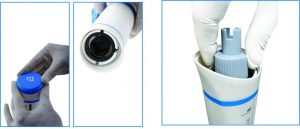
Learn How to Extend Your Pipette’s Lifespan

Pipettes are vital laboratory instruments, enabling precise liquid handling for various applications. However, excessive use and poor maintenance might compromise their accuracy and longevity. To ensure your pipette remains reliable and serves you for years, it’s important to adopt best practices for its care and use. In this guide, we’ll explore practical tips to extend the lifespan of your pipette and maintain its performance.

Why Pipette Maintenance Matters

Proper pipette care goes beyond protecting an investment; it ensures experimental accuracy and reproducibility. A poorly maintained pipette can lead to:

  1. Inaccurate measurements compromise data integrity.
  2. Frequent breakdowns lead to increased downtime.
  3. Higher replacement costs due to premature wear.

Regular maintenance allows you to avoid these pitfalls while optimizing lab efficiency.

Understanding Pipette Mechanics

Before getting into maintenance, it’s important to understand the components of a pipette and how they work. A pipette’s key components are:

  1. Piston Assembly: Controls the volume of air displaced.
  2. O-rings and Seals: Maintain airtight functioning.
  3. Tip Ejector: Facilitates tip removal.
  4. Nozzle and Shaft: Responsible for delivering the liquid.

Each component must work harmoniously to achieve precise liquid transfer. Even minor wear or misalignment can significantly impact performance.

Advanced Tips to Extend Your Pipette’s Lifespan

1. Precision Calibration

Calibration is the backbone of pipette maintenance. It ensures the instrument delivers accurate volumes over time.

Types of Calibration:

  • Gravimetric Calibration: Measures the weight of dispensed water to verify accuracy.
  • Photometric Calibration: Uses spectrophotometry to assess volume via dye concentration.

Recommendation: Perform gravimetric calibration at least annually using a certified balance with an accuracy of ±0.1 mg. For high-frequency usage, biannual or quarterly calibration is optimal.

2. Chemical Compatibility

Pipettes are often exposed to aggressive chemicals, which can corrode internal and external components.

Protective Measures:

  • Use chemical-resistant pipette models such as Microlit LENTUS when working with acids, solvents, or corrosive reagents.
  • Clean pipettes immediately after exposure to harmful substances to prevent residue buildup.
  • Verify material compatibility by consulting the manufacturer’s chemical resistance/ compatibility chart.

3. Pipette Cleaning

Cleaning extends beyond routine exterior wiping. Internal cleaning is critical for removing accumulated residue.

  • Disassemble the pipette according to the user manual.
  • Soak components like the shaft and piston in a mild detergent or isopropanol solution.
  • Dry parts using a lint-free cloth or compressed air to prevent fiber contamination.

Pro Tip: Autoclave pipette shafts and tips where applicable, especially when working with biological samples, to ensure sterility.

4. Replacing Critical Components

Worn-out seals, pistons, and O-rings can compromise pipette accuracy. Regular replacement of these parts is necessary to maintain functionality.

  • Replace O-rings every 6-12 months, especially in high-usage environments.
  • Use only manufacturer-approved parts to avoid compatibility issues.

5. Optimized Lubrication

Lubrication reduces friction in the piston assembly, ensuring smooth operation and minimizing wear.

  • Apply a thin layer of manufacturer-recommended lubricant on the piston after cleaning.
  • Avoid over-lubrication, which can attract dust and contaminants.

Caution: Always follow the manufacturer’s instructions for lubrication frequency and type.

6. Environmental Control

The working environment significantly impacts a pipette’s lifespan. Extreme conditions can exacerbate wear and tear.

  • Maintain a controlled environment with stable temperature and humidity.
  • Avoid exposing pipettes to direct sunlight or corrosive vapors.
  • Use filtered tips when working in dusty environments to prevent internal contamination.

7. Advanced Storage Solutions

Proper storage mitigates mechanical stress and contamination risks.

  • Use specialized racks or stands such as Microlit Carousel Stand that suspend pipettes vertically without touching the workbench.
  • Store in an enclosed, dust-free cabinet when not in use for extended periods.
  • Always set the pipette to its minimum volume setting to relieve spring tension.

Pipettes are essential for accurate liquid handling, but their longevity depends on consistent care. By following the tips outlined above, you can maintain your pipette’s performance and reliability for years. Regular calibration, gentle handling, proper storage, and timely cleaning are simple yet effective ways to protect your investment.

For laboratory professionals, maintaining a pipette isn’t just about preserving an instrument, it’s about ensuring data integrity and achieving reproducible results. Start implementing these practices today to extend the lifespan of your pipette and elevate your lab’s efficiency.

Microlit is a leading manufacturer of high-precision liquid handling instruments designed to enhance laboratory workflow accuracy, efficiency, and reliability. Renowned for its innovative engineering and ergonomic designs, Microlit offers various products, including micropipettes, bottle-top dispensers, burettes, and electronic liquid handling systems. With a strong focus on quality and user-centric features, these instruments cater to diverse applications across research, diagnostics, and industrial labs. Microlit’s commitment to excellence ensures that scientists and researchers worldwide have access to state-of-the-art tools for precise liquid handling.

To know more about Microlit products or its pipette range, please contact at info-usa@microlit.com or visit the website www.microlit.us.