• Multiple Offers
    Multiple Offers
  • Support
    Real-Time Support
  • Free Replacement
    1-Year Free Replacement Warranty
  • (732) 321-0852

What Are the Impacts of Liquid Handling on Drug Development Efficiency?

In the pharmaceutical industry, liquid handling instruments play a pivotal role in improving the efficiency, accuracy, and reproducibility of drug development processes. From drug discovery to high-throughput screening (HTS) and clinical trials, the ability to manage precise volumes of liquids is fundamental to successful drug research and production. The integration of advanced liquid handling technologies has accelerated drug development timelines, reduced costs, and minimized human error, ultimately enhancing the efficiency of the entire process.
In this blog, we’ll dive deep into how liquid handling instruments impact drug development efficiency, explore the various types of instruments used, and explain their importance in maintaining accuracy and speed across different stages of drug development.

The Role of Liquid Handling in Drug Development

The drug development process consists of several stages, each of which involves handling multiple reagents, cells, enzymes, and compounds in liquid form. Liquid handling is used in:
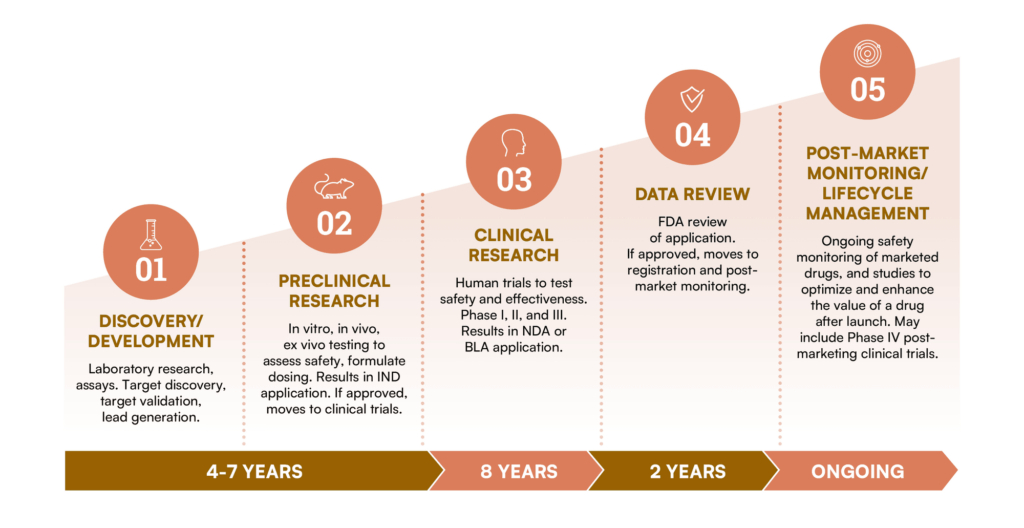
Drug Development process

  1. Drug Discovery/Development: In this initial phase, researchers identify potential drug candidates by screening vast libraries of compounds to find those that interact with a biological target, such as a protein or gene linked to a disease. Techniques like high-throughput screening (HTS), which can test thousands of compounds at once, are commonly used here.

Liquid handling role: Automated liquid handling systems are essential for preparing and dispensing the thousands of small-volume samples required in HTS, greatly speeding up the discovery process.

  1. Preclinical Research: Promising drug candidates move into preclinical testing to assess their safety and efficacy before human trials. This involves both in vitro (in the lab, on cell cultures) and in vivo (in animal models) studies. Researchers examine how the drug interacts with the biological target, its potential toxicity, and how it behaves in the body (pharmacokinetics).

Liquid handling role: Precision in delivering doses and preparing biological samples is critical during this phase, ensuring accurate and reproducible results across experiments.

  1. Clinical Trials/Research (Phases I-III):
  • Phase I: A small group of healthy volunteers receives the drug to assess its safety, dosage range, and side effects.
  • Phase II: This stage involves more participants with the targeted condition, focusing on the drug’s efficacy and further evaluating safety.
  • Phase III: The drug is tested on a much larger group of patients, comparing its effectiveness against existing treatments. This phase collects comprehensive data to assess the drug’s overall risk-benefit profile.

Liquid handling role: Throughout clinical trials, accurate preparation of drug doses, sample handling, and analysis of biological specimens are critical. Liquid handling instruments ensure consistent sample processing and help maintain the reliability of trial results.

  1. Data Review: After successful clinical trials, a company compiles all research data and submits a New Drug Application (NDA) or Biologics License Application (BLA) to regulatory bodies like the FDA. These authorities thoroughly review the drug’s safety, efficacy, and manufacturing quality before approving it for public use.

Liquid handling role: Accurate, reproducible data from liquid handling systems are often crucial in meeting the rigorous documentation and quality control standards required for regulatory approval.

  1. Post-Market Monitoring:After the drug is available to the public, post-market studies continue to monitor its safety and long-term effectiveness. This phase (also known as Phase IV clinical trials) identifies any rare or long-term side effects that weren’t apparent during earlier testing.

Liquid handling role: Accurate sample handling and analysis are necessary for ongoing pharmacovigilance, helping to ensure the continued safety of the drug in widespread use.

The accuracy and precision of liquid handling instruments directly influence the reproducibility of results, which is crucial for ensuring drug efficacy and safety.

Impact of Liquid Handling Instruments in Drug Development


  • Manual Pipettes

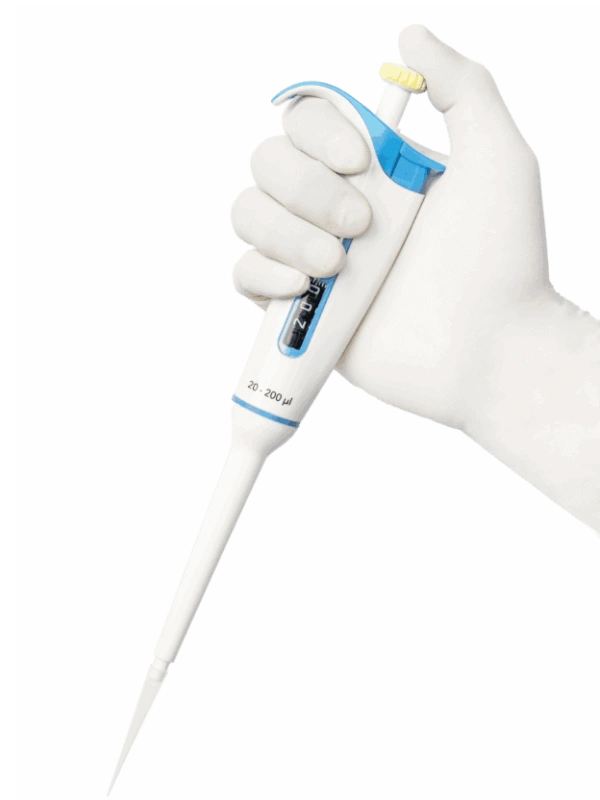
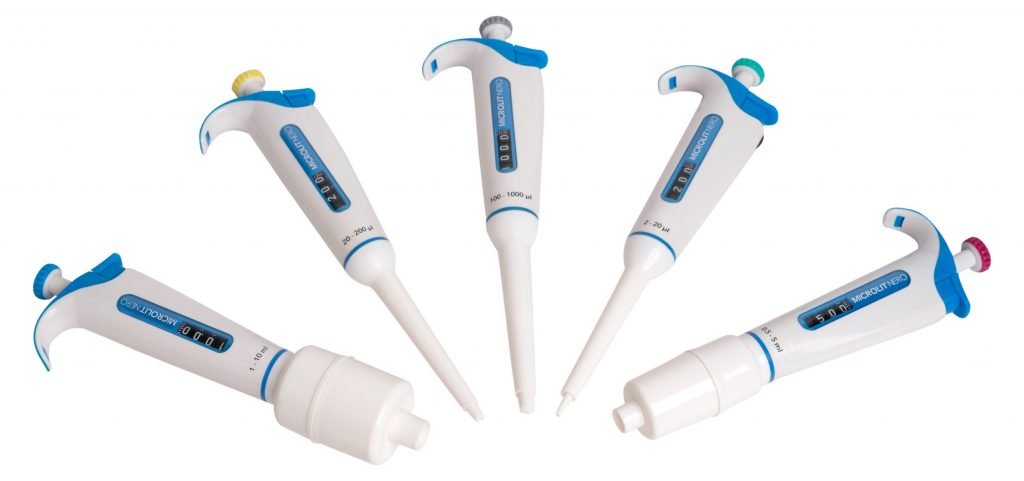
Microlit NERO Micropipettes

Types: Variable Volume Single & Multi Channel pipettes.

Impact: Manual pipettes are frequently used in small-scale experiments where flexibility and low sample volume handling are required. They offer a high level of control for precise measurements but may introduce variability due to operator error or fatigue, affecting the consistency of results.

  1. Automated Liquid Handling Systems

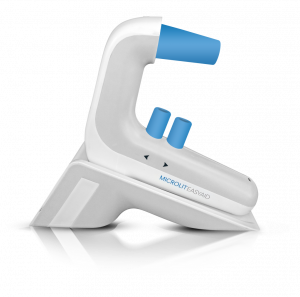
Easyaid Catalogue (1)

Types: Robotic pipetting systems, liquid dispensers, and microplate handlers.

Impact: Automation reduces manual intervention, allowing for high-throughput screening and handling of large sample volumes with minimal error. Automated Pipetting systems significantly improve speed and consistency, especially in repetitive tasks like HTS, where thousands of compounds need to be processed. By reducing human error and improving throughput, automated systems greatly enhance the efficiency of the drug discovery phase.

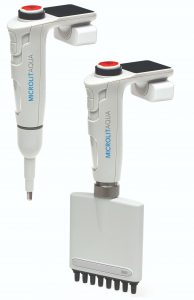
  1. Microlit Aqua PipettesElectronic Pipettes

Impact: Electronic pipettes bridge the gap between manual and automated systems. They reduce user strain and variability while increasing accuracy. By automating specific steps in pipetting, electronic pipettes can be programmed for repetitive tasks, which speeds up the workflow.

  1. Bottle-top Dispensers

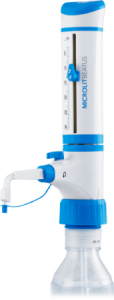
Burette And Burette Stand

Impact: Bottle Top Dispensers are particularly useful during the formulation stage when handling large volumes of reagents or solvents. The precise dispensing of bulk liquids reduces waste and ensures consistent reagent concentration, which is critical for scaling up drug production.

  1. Microplate Readers and Washers

Impact: In HTS, microplates are used to test multiple drug compounds simultaneously. Microplate washers and readers ensure efficient processing of these plates, speeding up the workflow and maintaining consistent quality in assays. The use of these instruments increases the speed of data collection and analysis, thus facilitating faster decision-making.

Liquid handling instruments have revolutionized drug development by improving accuracy, speed, and reproducibility in laboratory workflows. From manual pipettes used in small-scale experiments to fully automated systems that process thousands of samples at once, these instruments play a critical role in enhancing drug development efficiency. By increasing throughput, minimizing human error, improving precision, and saving costs, liquid handling technologies help pharmaceutical companies bring safe and effective drugs to market faster.

The impact of liquid handling systems on drug development efficiency cannot be overstated. As the industry continues to advance, the integration of even more sophisticated liquid handling technologies will be key to overcoming new challenges in drug discovery and production, ultimately benefiting both researchers and patients alike.

Microlit provides a comprehensive selection of precision liquid handling instruments tailored to optimize protein purification and analysis. Our range includes highly accurate pipettes, dependable burettes, and efficient dispensers, all designed to deliver consistency and precision throughout every stage of the process. Engineered to meet the rigorous demands of protein analysis, Microlit instruments enable researchers to obtain reliable results and enhance workflow efficiency. For more information about our products, contact us at info-usa@microlit.com or explore our offerings at www.microlit.us/shop.
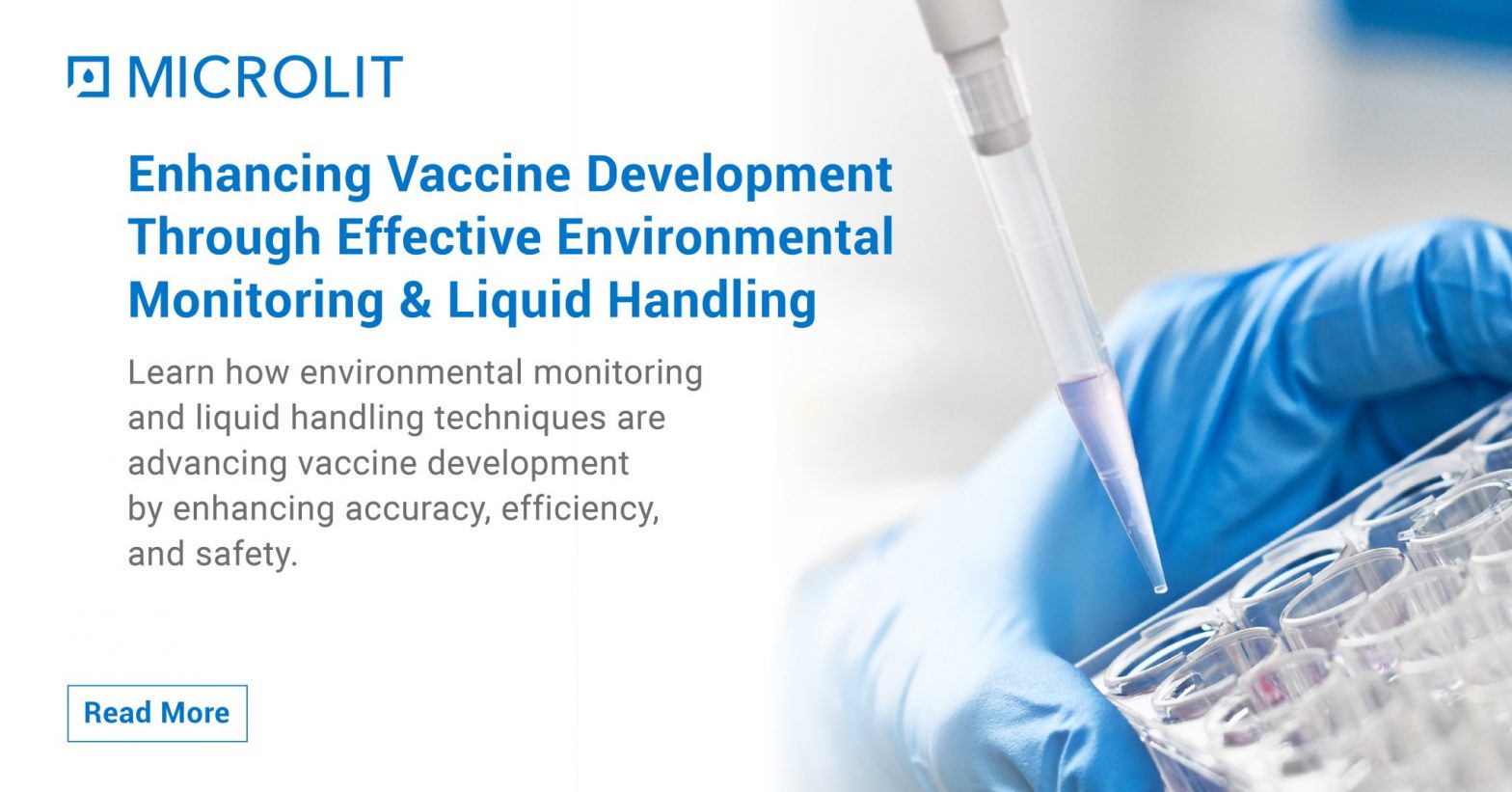
 

Enhancing Vaccine Development Through Effective Environmental Monitoring and Liquid Handling

Vaccine development represents a pivotal aspect of public health, requiring rigorous methodologies to ensure the safety and efficacy of biologics. Two critical components that underpin the success of this process are environmental monitoring and liquid handling. As the complexity of vaccine formulation increases and the demand for rapid production escalates, it becomes essential to employ advanced technical strategies that streamline these functions. This blog explores the intricate interplay between environmental monitoring systems and liquid handling technologies, highlighting their collective role in optimizing vaccine development.

The Critical Role of Environmental Monitoring in Vaccine Development

Environmental monitoring is an essential element in vaccine manufacturing, aimed at mitigating risks associated with contamination and ensuring compliance with regulatory standards such as Good Manufacturing Practices (GMP). The primary objective is to maintain aseptic conditions within controlled environments, thus preserving the integrity of the vaccine product.

Key Parameters for Environmental Monitoring

  1. Microbial Contamination Assessment:Implementing a robust microbial monitoring program involves the use of environmental samplers, such as settle plates, active air samplers, and contact plates, to quantitatively assess bioburden levels. Real-time PCR (Polymerase Chain Reaction) and culture-based methods can be utilized for rapid detection of pathogens, facilitating immediate corrective actions when contamination is detected.
  2. Particulate Matter Control:The presence of particulates can lead to adverse reactions in vaccine formulations. Utilizing laser diffraction particle size analyzers and optical particle counters enables the assessment of airborne particulate levels. Continuous monitoring systems can trigger alerts if predefined thresholds are exceeded, prompting immediate investigations.
  3. Temperature and Humidity Regulation:Vaccines are often sensitive to temperature fluctuations, requiring stringent monitoring of both ambient and surface temperatures. The use of calibrated data loggers and wireless monitoring systems allows for real-time tracking of these parameters, ensuring compliance with storage requirements throughout the production cycle.
  4. Pressure Differentials:Cleanrooms are designed to operate under positive pressure to prevent ingress of contaminants. Continuous monitoring of differential pressure using pressure sensors helps maintain the integrity of the controlled environment. The implementation of alarm systems that alert personnel to pressure deviations is crucial for immediate rectification.

The Integration of Automation in Environmental Monitoring

Manual environmental monitoring methods are increasingly being supplanted by automated systems that provide continuous, real-time data acquisition. Automation not only minimizes human error but also enhances data integrity and traceability. Advanced environmental monitoring systems can be integrated with Building Management Systems (BMS) to allow for centralized control and monitoring, ensuring that all parameters remain within specified limits.

Precision in Liquid Handling Processes

Liquid handling is a foundational component of vaccine production, encompassing the accurate dispensing and transfer of biological fluids, reagents, and culture media. The precision of liquid handling directly influences the reproducibility and reliability of vaccine formulations.

Liquid Handling Techniques in Vaccine Development

  1. Automated Pipetting Systems:High-throughput automated pipetting systems, equipped with advanced software for method development and data tracking, allow for the precise dispensing of reagents at micro- and nanoliter scales. Such systems are critical in assays where minute volume differences can impact biological activity.
  2. Microplate-Based Assays:The use of microplate formats facilitates parallel processing of multiple samples, significantly enhancing throughput. Automated liquid handling robots can manage the filling, mixing, and dispensing of microplate wells, allowing for consistent assay conditions and reducing manual labor.
  3. Buffer Exchange and Purification:Liquid chromatography techniques, such as high-performance liquid chromatography (HPLC) or ultrafiltration, are employed during purification processes to ensure that unwanted components are removed from the vaccine. Accurate liquid handling is critical in loading samples onto columns or membranes to maintain separation efficiency.
  4. Filling and Packaging:The final stages of vaccine production require precision in filling vials with the formulated product. Automated filling systems must operate under strict aseptic conditions, with mechanisms in place to minimize the risk of contamination during the filling process. Technologies such as weight-based filling or volume-based dispensing ensure that each dose is accurately filled, maintaining the integrity of the product.

Advanced Liquid Handling Technologies

The evolution of liquid handling instruments has been marked by increased automation and integration capabilities. Key advancements include:

  • Microlit Aqua PipettesElectronic Pipettes:These electronic pipettes offer programmable settings for volume adjustment and multiple dispensing modes, reducing variability and enhancing accuracy. They can also provide real-time data logging for compliance documentation.
  • Microfluidics:MicrofluidiesMicrofluidic technologies allow for the manipulation of fluids at the microscale, facilitating precise reactions and analyses. This technology is particularly useful in high-throughput screening applications, where small volumes of reagents are used, thereby reducing waste and costs.
  • Robotic Liquid Handling Platforms:These platforms integrate various liquid handling tools and automated systems, enabling seamless workflows from sample preparation to analysis. Their ability to execute complex protocols with minimal human intervention significantly increases productivity and reduces the risk of errors.

Synergistic Integration of Environmental Monitoring and Liquid Handling

Integrating environmental monitoring systems with liquid handling technologies creates a synergistic effect that enhances the overall efficiency and reliability of vaccine development. This integration ensures that liquid handling processes occur within optimal environmental conditions, thereby minimizing contamination risks.

Benefits of Integrated Systems

  1. Real-Time Environmental Feedback:Automated environmental monitoring systems can provide immediate feedback to liquid handling processes. For example, if temperature or humidity deviates from acceptable ranges, the liquid handling system can automatically pause operations, preventing compromised results.
  2. Enhanced Compliance and Traceability:Integration facilitates comprehensive data logging, capturing all relevant parameters during the vaccine production process. This not only aids in compliance with regulatory standards but also provides a detailed audit trail for investigations and quality assurance.
  3. Reduced Contamination Risks:By maintaining optimal environmental conditions during liquid handling operations, the risk of cross-contamination is significantly lowered. This is particularly critical in the aseptic processing of vaccine components, where any introduction of contaminants can lead to severe consequences.

Case Study: Accelerated COVID-19 Vaccine Development


Covid 19The COVID-19 pandemic underscored the need for rapid and efficient vaccine development. Leading manufacturers employed state-of-the-art environmental monitoring systems and liquid handling technologies to expedite production while ensuring compliance with stringent safety standards. Continuous monitoring of cleanroom conditions allowed for immediate corrective actions, while automated liquid handling systems enabled rapid scaling of vaccine formulation processes.
 

The utilization of these advanced technologies facilitated the production of millions of vaccine doses, highlighting the importance of integrating environmental monitoring with liquid handling in meeting public health demands.

Conclusion

In conclusion, the convergence of effective environmental monitoring and precise liquid handling technologies is crucial in enhancing the efficiency and reliability of vaccine development. As the industry continues to evolve, the adoption of automated, integrated systems will play an increasingly vital role in ensuring the safety, efficacy, and scalability of vaccines. By leveraging these advanced methodologies, pharmaceutical companies can respond to emerging health threats more effectively, paving the way for a safer and healthier future.

Microlit is a leader in liquid handling technology, providing an extensive range of instruments specifically engineered for precision and accuracy in laboratory environments. Emphasizing innovation and quality, Microlit offers advanced solutions, including micropipettes, bottle-top dispensers, electronic burettes, and pipette fillers, each meticulously crafted to deliver optimal performance. To learn more about Microlit products, please email us at info-usa@microlit.com or visit the Microlit products page https://www.microlit.us/shop/.

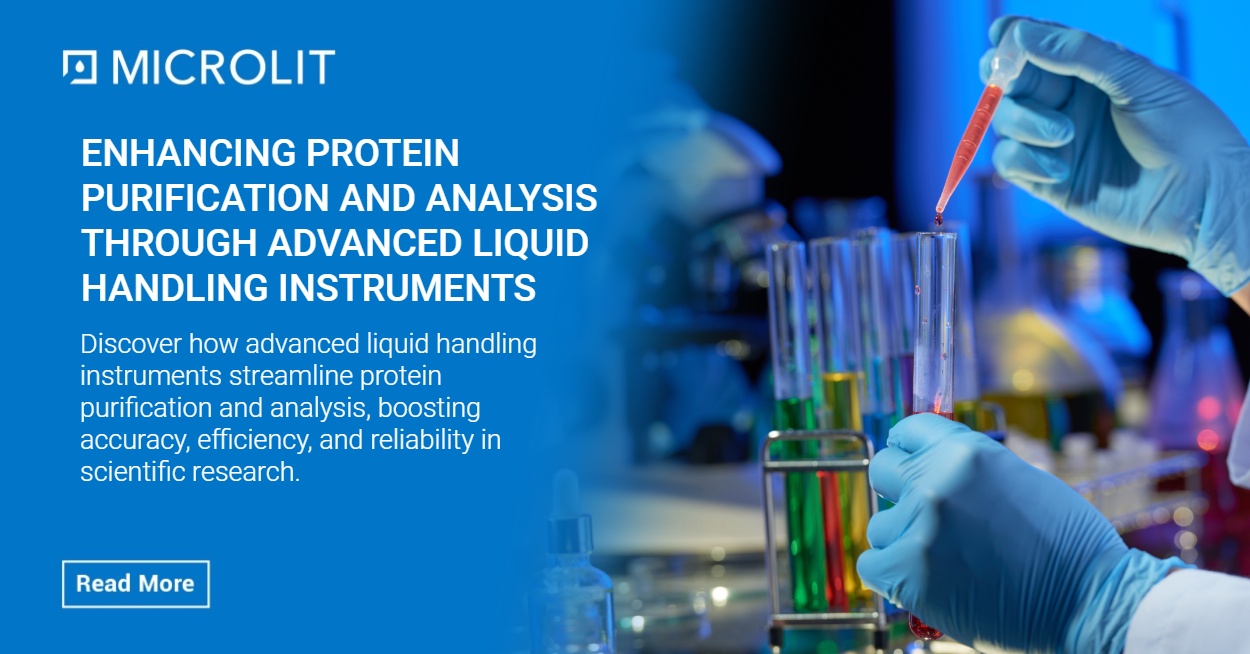
Enhancing Protein Purification and Analysis through Advanced Liquid Handling Instruments

The precision of liquid handling is pivotal for achieving accurate and reliable results in protein purification and analysis. Instruments like pipettes, bottle-top dispensers, and burettes are crucial for managing and transferring liquids with exact measurements throughout the purification and analytical procedures. These tools ensure that each step, from solution preparation to assay execution, is performed with high accuracy, minimizing errors and enhancing the overall efficiency of the process. By leveraging these liquid handling instruments, researchers can improve the quality and reproducibility of their results, making them indispensable in both research and industrial settings. This article delves into the importance of liquid handling instruments in protein purification and analysis, highlighting their role in enhancing efficiency, reproducibility, and accuracy.

Introduction: Protein Purification

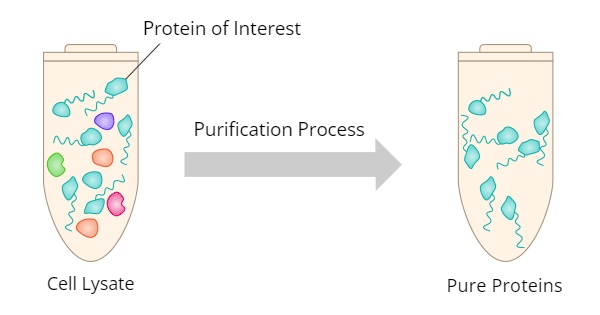
Protein purification is a fundamental process in the field of biotechnology, molecular biology, and biochemistry. It involves isolating a specific protein of interest from a complex mixture of proteins, cells, or tissues. This process is essential for various applications, including drug development, structural biology, and enzyme studies. Protein analysis, on the other hand, refers to the techniques used to study the properties, structure, and functions of proteins after they have been purified. Together, protein purification and analysis form the backbone of many scientific research and industrial applications.

Protein Purification Process
Protein purification and analysis are essential processes in the fields of biochemistry, molecular biology, and biotechnology. Achieving high levels of precision and accuracy in these tasks is critical, and liquid handling instruments play a pivotal role in ensuring success.

Understanding Protein Purification: How does it work

Protein purification is a process to isolate and purify a specific protein from a complex mixture within a biological sample. This process begins with cell lysis, which breaks open cells to release the target protein while removing contaminants like other proteins, nucleic acids, lipids, and carbohydrates. Effective protein purification involves several steps, including sample preparation, protein isolation, purification, quantification, and analysis. Each step is crucial for achieving a high level of purity and accuracy in the final protein product.

  1. Cell Lysis:

    The first step in protein purification involves breaking open cells to release their contents, including the protein of interest. Various methods such as sonication, enzymatic digestion, or mechanical disruption can be used for cell lysis.

  2. Clarification:

    Following cell lysis, the mixture is clarified to remove large particles, such as cell debris, by centrifugation or filtration. This step helps in preparing the sample for the subsequent purification steps.

  3. Protein Separation:

    This is the core step of the purification process, where proteins are separated based on their properties such as size, charge, solubility, and affinity. Techniques such as chromatography (e.g., ion exchange, affinity, size exclusion) are commonly used to achieve this.

  4. Protein Concentration:

    After separation, the protein of interest is concentrated to a suitable level for further analysis or use. This can be done using methods like ultrafiltration or precipitation.

  5. Protein Analysis:

    Once purified, the protein is analyzed to confirm its identity, purity, and activity. Techniques like SDS-PAGE, mass spectrometry, and enzyme assays are commonly employed for this purpose.

Protein Analysis: Ensuring Purity and Functionality

Protein analysis is the next critical step following purification. The primary goals of protein analysis are to confirm the identity of the protein, assess its purity, and determine its concentration and activity. Several techniques are employed in protein analysis, including:

  1. Electrophoresis:

    SDS-PAGE is a widely used technique that separates proteins based on their molecular weight, allowing researchers to assess the purity and size of the protein.

  2. Mass Spectrometry:

    This technique provides detailed information about the molecular weight and sequence of the protein, confirming its identity.

  3. Spectroscopy:

    UV-Vis spectroscopy is often used to determine protein concentration by measuring absorbance at specific wavelengths.

  4. Enzyme Assays:

    For enzymes, activity assays are conducted to ensure that the purified protein retains its functionality.

These techniques provide a comprehensive understanding of the protein’s characteristics, essential for downstream applications such as drug development or structural studies.

Importance of Liquid Handling Instruments in Protein Purification and Analysis

Accurate and precise liquid handling is vital at every stage of protein purification and analysis. The use of pipettes, bottle-top dispensers, and burettes plays a crucial role in ensuring the reliability and reproducibility of results.

Microlit NERO Micropipettes

  • Pipettes: Precision in Small Volumes

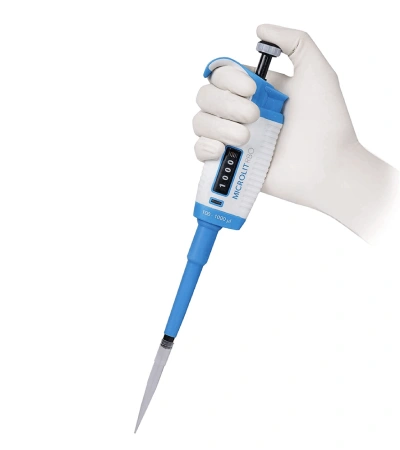
Pipettes are essential tools for accurately measuring and transferring small volumes of liquids. In protein purification, pipettes are used for tasks such as preparing buffers, adding reagents, and transferring samples between containers. Precision pipetting ensures that each step is carried out with the correct volume, which is critical for maintaining the integrity of the protein sample.

Key Advantages:

  • High precision and accuracy
  • Minimized risk of cross-contamination
  • Flexibility in handling various liquid types

bottle top category

  1. Bottle-Top Dispensers: Efficiency in Repetitive Tasks

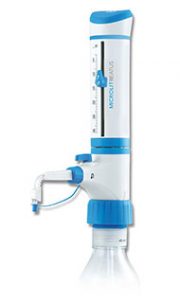
Bottle top dispensers are designed for dispensing precise volumes of liquids directly from reagent bottles. They are particularly useful in protein purification for tasks that require the repeated addition of the same reagent, such as during column chromatography or buffer preparation. By automating the dispensing process, bottle-top dispensers reduce manual errors and improve efficiency.

Key Advantages:

  • Consistent dispensing of large volumes
  • Time-saving for repetitive tasks
  • Reduced risk of handling errors

Electronic burette Pic

  1. Burettes: Precision in Titration

Burettes are commonly used in titration, a technique often employed in protein analysis to determine the concentration of a substance in a solution. Burettes allow for the controlled addition of titrant, ensuring that the endpoint of the titration is reached with high precision. This is particularly important in assays where accurate measurements are critical for calculating protein concentration.

Key Advantages:

  • High accuracy in titration
  • Controlled and gradual addition of liquids
  • Essential for quantitative analysis

Protein purification and analysis are intricate processes that require careful attention to detail and precision. The use of liquid handling instruments such as pipettes, bottle-top dispensers, and burettes is essential in ensuring the accuracy, efficiency, and reproducibility of these processes. Whether preparing buffers, conducting chromatography, or performing titrations, these instruments play a vital role in achieving reliable results.

As the demand for purified proteins continues to grow in research and industry, the importance of using high-quality liquid handling instruments cannot be overstated. By investing in reliable and precise tools, researchers can ensure the success of their protein purification and analysis workflows, ultimately advancing our understanding of proteins and their applications in science and medicine.

Microlit offers a range of precision liquid handling instruments designed to enhance protein purification and analysis. From accurate pipettes to reliable burettes and dispensers, Microlit products ensure consistency and precision in every step of the process. These instruments are engineered to support the complex demands of protein analysis, helping researchers achieve reliable results and streamline their workflows. To know more about these products, contact us at info-usa@microlit.com or visit our website https://www.microlit.us/shop/.

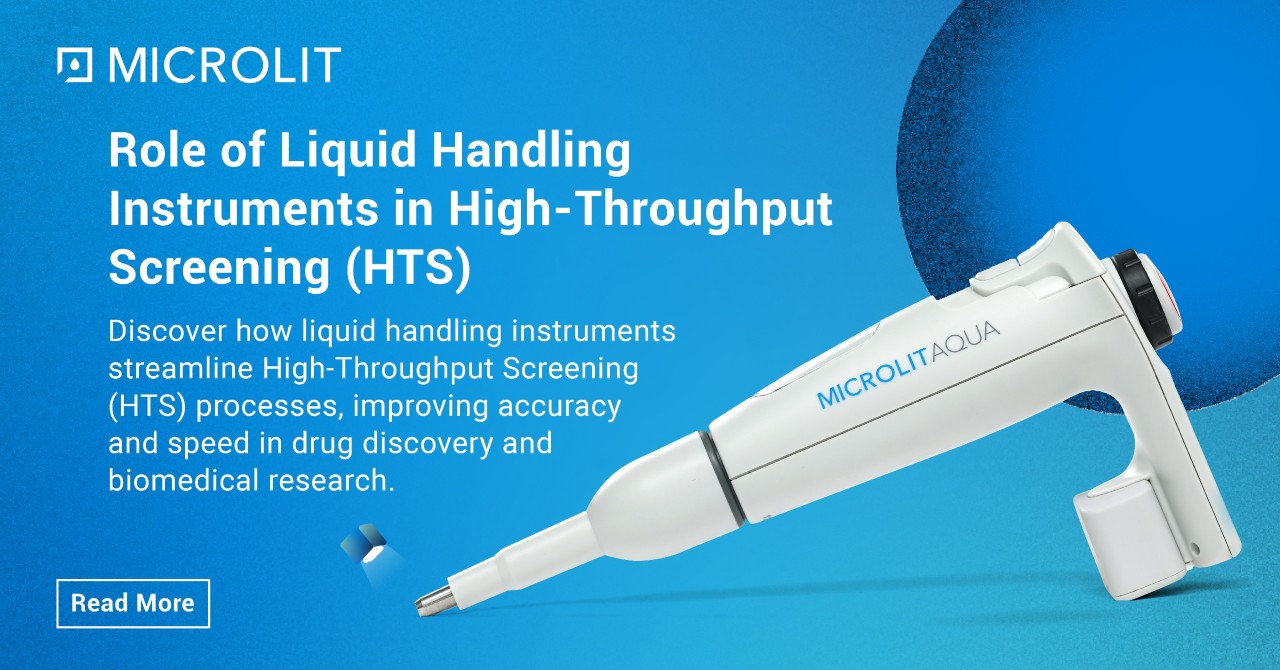
The Crucial Role of Liquid Handling Instruments in High-Throughput Screening

High-Throughput Screening (HTS) is a cornerstone of modern drug discovery. It enables researchers to quickly test thousands of compounds, identifying potential therapeutic candidates. Central to this process are liquid handling instruments, which ensure precision and efficiency in testing. These tools have transformed HTS, allowing for rapid and reproducible screening of large chemical libraries, thereby accelerating the drug discovery process.

What is High-Throughput Screening (HTS)?

High-Throughput Screening is a technique used in drug discovery to rapidly conduct a large number of tests. These tests help identify active compounds, antibodies, or genes that can affect a particular biological pathway. HTS is widely used in drug discovery, molecular biology, and biochemical research.

The key to HTS is its ability to miniaturize and automate assays, making it possible to test thousands or even millions of samples. This is where liquid handling instruments come into play, enabling the precise dispensing of minute liquid volumes into microplates with multiple wells, typically 96, 384, or 1536 wells per plate.

Overview of Liquid Handling Instruments used in HTS

Liquid handling instruments are engineered to perform precise liquid transfers, a key requirement for HTS. These instruments come in various forms, each designed to meet specific throughput and precision needs.

  1. Manual Pipettes:Manual pipettes are the simplest form of liquid handling instruments. They are highly accurate but require manual operation, which can introduce variability. Their role in HTS is generally limited to small-scale assays or initial assay development.
  2. Automated Pipetting Systems: Automated pipetting systems are a step up from manual pipettes, providing consistent and repeatable liquid transfers. These systems are equipped with programmable features that allow for the automation of complex pipetting tasks, such as serial dilutions and reagent mixing. Their high precision and reproducibility make them ideal for large-scale HTS.
  3. Robotic Liquid Handlers: Robotic liquid handlers are advanced systems designed to automate entire workflows. These robots can handle a variety of liquid handling tasks, including plate replication, sample transfer, and reagent addition, all with minimal human intervention. They are essential for ultra-high-throughput screening (uHTS), where speed and precision are critical.
  4. Acoustic Liquid Handling: Acoustic liquid handling is a non-contact technology that uses sound waves to move small volumes of liquid. This technique is particularly useful in HTS for transferring nanoliter volumes without the risk of cross-contamination. Acoustic liquid handlers are becoming increasingly popular in HTS due to their accuracy and ability to handle low-volume transfers.

The Importance of Precision and Accuracy in HTS

Precision and accuracy are paramount in HTS, where even small variations in liquid handling can lead to significant errors in screening results. Liquid handling instruments are designed to minimize such variability, ensuring that each assay is performed under consistent conditions.

  1. Volume Accuracy: In HTS, the accurate dispensing of liquids is critical. Automated pipetting systems and robotic handlers are calibrated to dispense precise volumes, typically in the microliter or nanoliter range. This precision is crucial for assay miniaturization, where the reduction in reagent volumes allows for higher throughput and lower costs.
  2. Reproducibility: Reproducibility is another key requirement in HTS. Liquid handling instruments are designed to perform the same task repeatedly with minimal variation. This consistency is essential for generating reliable data across multiple screening campaigns.
  3. Contamination Control: Cross-contamination can be a significant issue in HTS, particularly when dealing with small volumes. Non-contact technologies like acoustic liquid handling reduce the risk of contamination by eliminating the need for physical contact between the instrument and the liquid.
  4. Optimise Resource Use: Precise dispensing reduces the waste of valuable reagents and samples by ensuring that only the required volumes are used, optimizing the efficiency of the HTS process.
  5. Critical for Miniaturization: Precision is essential for the miniaturization of assays in HTS, where small volumes of liquid must be handled accurately to allow for large-scale screening with reduced costs.

More Innovations in Liquid Handling Technologies

The field of liquid handling is continuously evolving, with new technologies being developed to further enhance the capabilities of HTS.

  • Microfluidics: Microfluidic devices are small-scale systems that manipulate tiny volumes of liquid, typically in the nanoliter or picoliter range. These devices can be integrated with HTS platforms to perform highly miniaturized assays. Microfluidics offers significant advantages in terms of reagent conservation, reduced waste, and increased assay throughput.
  • 3D Bioprinting: 3D bioprinting is an emerging technology that uses liquid handling instruments to deposit cells and biomaterials in precise patterns. This technology has the potential to revolutionize HTS by enabling the creation of complex, tissue-like structures for drug testing.
  • Lab-on-a-Chip: Lab-on-a-chip technology integrates multiple laboratory functions onto a single chip. These chips can be used in conjunction with liquid handling instruments to perform HTS in a highly compact and efficient manner. Lab-on-a-chip devices are particularly promising for applications in personalized medicine and high-throughput genomics.
  • Digital PCR: Digital PCR (dPCR) is a highly sensitive technique that uses liquid handling instruments to partition a sample into thousands of individual reactions. This technique allows for the precise quantification of DNA or RNA, making it a powerful tool for HTS in genomics and molecular biology.

Conclusion

Liquid handling instruments are vital to the success of high-throughput screening, enabling rapid and efficient screening of large chemical libraries. The precision, accuracy, and automation they provide are essential for miniaturizing and scaling HTS assays. Despite challenges like cost and complexity, ongoing innovations in liquid handling technology continue to enhance HTS capabilities, driving forward drug discovery and biomedical research.

By understanding the importance and benefits of liquid handling instruments in HTS, researchers can make informed decisions about the tools and technologies they use, ultimately improving the efficiency and success of their screening campaigns.

Microlit Liquid Handling Instruments

Microlit Liquid Handling Instruments are vital in High-Throughput Screening (HTS) due to their precision and accuracy in liquid dispensing, which ensures consistent and reliable assay results. These instruments minimize variability and reduce the risk of false positives and negatives, leading to higher data quality in drug discovery.

Microlit NERO
Additionally, Microlit instruments are designed for seamless integration with automated HTS workflows, enhancing efficiency and reducing human error. Their user-friendly design and robust performance make them indispensable tools in the fast-paced environment of HTS laboratories.


To know more about Microlit products, contact us at info-usa@microlit.com or visit the website at www.microlit.us.

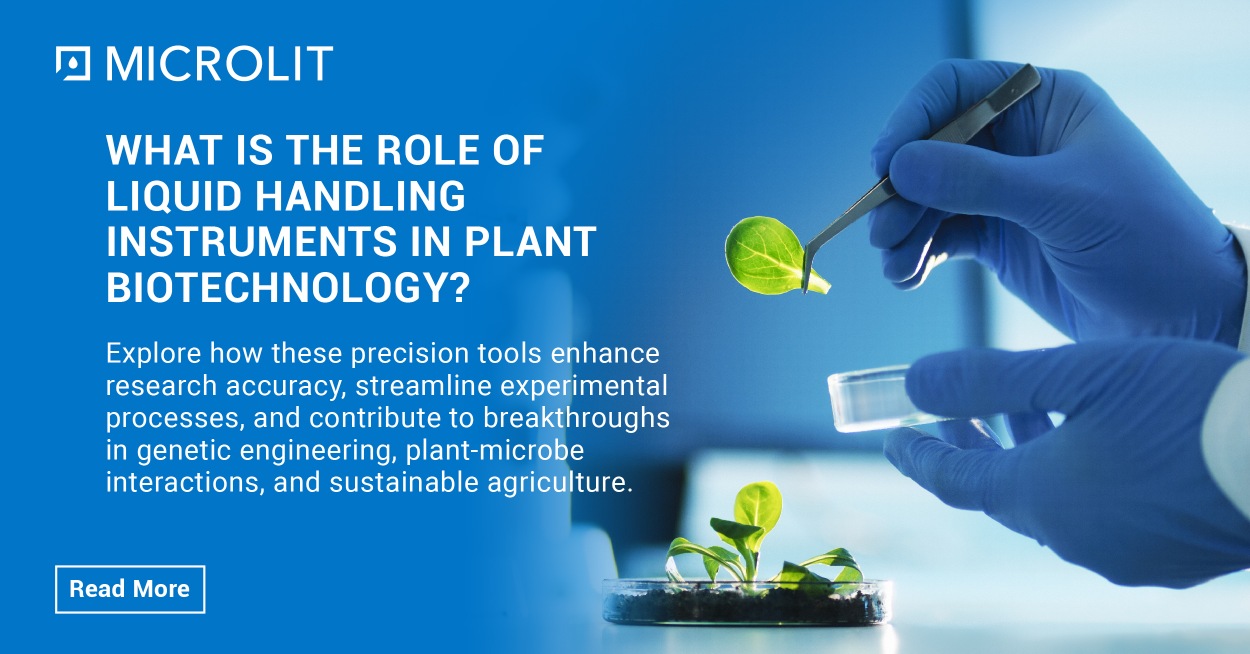
The Role of Liquid Handling Instruments in Plant Biotechnology

Plant biotechnology is a cutting-edge field that utilizes technology and scientific methods to improve plant species for various applications, including agriculture, medicine, and environmental sustainability. Key to these advancements are liquid handling instruments, such as micropipettes, bottle top dispensers, burettes, and consumables. 

These tools are essential for the accuracy and efficiency required in plant biotechnology processes. This article explores the vital role these instruments play in plant biotechnology, focusing on their use in genetic engineering, tissue culture, high-throughput screening, proteomics, and quality control.

What is Plant Biotechnology?


Plant biotechnology is a cutting-edge field that combines biology and technology to modify plants for specific purposes. By manipulating genetic material, scientists can enhance desirable traits such as increased yield, disease resistance, and drought tolerance. Techniques like genetic engineering, tissue culture, and molecular breeding play pivotal roles in this process.

For example, genetically modified crops like But cotton are engineered to resist pests, reducing the need for chemical pesticides. Plant biotechnology not only boosts agricultural productivity but also contributes to environmental sustainability by reducing the carbon footprint of farming practices. Additionally, it offers solutions for improving the nutritional content of food, addressing global challenges like malnutrition.

With ongoing advancements, plant biotechnology holds great promise for securing food resources and supporting a growing population in an eco-friendly.

Role of Liquid Handling Instruments in Plant Biotechnology


Liquid handling instruments are crucial in plant biotechnology for precise measurement and transfer of liquids. They enable accurate genetic transformations, media preparation, and molecular analyses. These tools streamline processes like tissue culture and high-throughput screening, enhancing research efficiency and ensuring reproducibility in plant biotechnology experiments.


  • Genetic Engineering and Transformation

Genetic engineering is a fundamental aspect of plant biotechnology, involving the alteration of plant DNA to introduce desirable traits like pest resistance or enhanced nutritional value. This process heavily relies on precise liquid handling to manage small volumes of DNA samples, enzymes, and buffers. Micropipettes are crucial in this context, allowing scientists to accurately dispense these components during procedures like CRISPR-Cas9 gene editing and Agrobacterium-mediated transformation.

The precision provided by micropipettes ensures that the transformation agents are delivered correctly, minimizing errors and maximizing the success rate of gene integration. This accuracy is vital for developing genetically modified organisms (GMOs) that meet specific agricultural needs, such as increased yield or drought tolerance.

  • Tissue Culture and Micropropagation

Tissue culture and micropropagation are essential techniques in plant biotechnology for cloning plants, conserving genetic resources, and developing new varieties. These methods require the precise preparation and handling of culture media and growth regulators, which are facilitated by liquid handling instruments.

Bottle top dispensers and Burettes are used to prepare culture media with consistent concentrations of nutrients and hormones. This consistency is critical for the successful growth and development of plant tissues in vitro. Micropipettes are also used to transfer small volumes of plant hormones and antibiotics into the culture media, ensuring optimal conditions for tissue development and plant propagation.

Maintaining sterility is crucial in tissue culture to prevent contamination, which can compromise the cultures. Liquid handling instruments help maintain sterile conditions by enabling the precise and aseptic transfer of liquids, such as sterilizing agents and culture media, into culture vessels. This ensures the success of tissue culture experiments and the propagation of healthy plant clones.

  • High-Throughput Screening in Plant Biotechnology

High-throughput screening (HTS) is a powerful technique in plant biotechnology that enables the rapid assessment of biological or biochemical activities across numerous samples. This method is crucial for identifying new plant traits, developing pest-resistant crops, and discovering plant-derived compounds for medicinal use.

Automated liquid handling systems are key to HTS, allowing for the accurate and efficient processing of thousands of samples. These systems can dispense precise volumes of reagents and samples in microplate formats, facilitating simultaneous testing under multiple conditions. The use of automated liquid handlers reduces the risk of human error, ensuring consistent and reproducible results in screening processes.

For example, in herbicide resistance testing, HTS can evaluate the effectiveness of various compounds on different plant varieties. Automated systems distribute these compounds across a large number of samples, enabling researchers to quickly identify the most promising candidates for further development.

  • Proteomics and Metabolomics: Analyzing Plant Biochemistry

Proteomics and metabolomics are fields focused on analyzing the full range of proteins and metabolites in plants, providing insights into plant physiology, stress responses, and metabolic pathways. Liquid handling instruments are crucial for the sample preparation stages in these studies.

During proteomic and metabolomic analysis, accurate extraction and preparation of samples are critical. Micropipettes are used for the precise addition of solvents and reagents needed for protein and metabolite extraction. This ensures that samples are properly prepared for downstream analytical techniques such as mass spectrometry and chromatography, which require consistent sample quality for accurate data interpretation.

  • Quantitative Analysis and Quality Control in Plant Biotechnology

Quantitative analysis is fundamental in plant biotechnology for assessing the concentration of DNA, proteins, and metabolites. Instruments like spectrophotometers, often used alongside liquid handling tools, play a significant role in this analysis.

Micropipettes are essential for preparing standard curves and calibrating analytical instruments, ensuring accurate quantification of biomolecules. They also facilitate the preparation of samples for analysis, maintaining consistency in sample volumes and concentrations. This precision is vital for generating reliable and reproducible data, which is crucial for quality control and validation of biotechnological processes.

Conclusion

Liquid handling instruments are integral to the success of plant biotechnology, enabling precise and efficient workflows across various applications. From genetic engineering and tissue culture to high-throughput screening and proteomics, these tools ensure the accuracy and reliability of experimental results. As the field of plant biotechnology continues to advance, the demand for high-quality liquid handling instruments will grow, further emphasizing their importance in research and development.

Investing in reliable liquid handling equipment and ensuring their proper use can significantly enhance research outcomes, contributing to breakthroughs in agriculture, medicine, and environmental sustainability. By leveraging these tools, researchers can continue to innovate and address global challenges such as food security, climate change, and sustainable resource management.

Microlit: Offering a Comprehensive Range of Liquid Handling Instruments


Microlit stands at the forefront of liquid handling technology, offering a comprehensive array of instruments tailored for precision and accuracy in laboratory settings. With a focus on cutting-edge innovation, Microlit provides advanced solutions such as Micropipettes, bottle-top dispensers, electronic burettes, Pipette Fillers, etc., each is meticulously designed for optimal performance.

Their products feature sophisticated calibration mechanisms and ergonomic designs to minimize user fatigue while ensuring exact measurements. These instruments are vital for applications ranging from molecular biology and analytical chemistry to plant biotechnology, ensuring that Microlit remains an essential partner for researchers seeking accuracy and reliability in liquid handling.


To learn more about Microlit products, please email us at info-usa@microlit.com or visit the Microlit products page https://www.microlit.us/shop/.