• Multiple Offers
    Multiple Offers
  • Support
    Real-Time Support
  • Free Replacement
    1-Year Free Replacement Warranty
  • (732) 321-0852

Choosing the Right Consumables for Liquid Handling: Tips for Lab Efficiency

Liquid handling is a critical component of laboratory work, encompassing everything from simple liquid transfers to complex molecular biology experiments. The choice of consumables such as cell culture plates, pipette tips, PCR plates, cryogenic vials, and ELISA plates significantly impacts the accuracy, efficiency, and reliability of lab operations. 

Selecting the right consumables not only ensures accurate and reproducible results, but it also improves workflow efficiency and lowers costs. Here are some essential tips for selecting the right liquid handling consumables to boost lab efficiency.

  1. Understand Your Application Needs

The first step in choosing the right consumables is to understand your applications’ specific requirements. Different tasks demand varying levels of precision, volume ranges, and chemical compatibility. For example, cell culture requires sterile, biocompatible consumables, whereas molecular biology techniques such as PCR demand high precision and contamination-free materials.

Key Considerations:

  • Volume Range:Determine the volume range that you will be handling. Micro-volume applications (less than 1 µL) require specialized tips and plates.
  • Precision and Accuracy:High-precision tasks require consumables that reduce variability and error.
  • Chemical compatibility:Ensure that the consumables’ materials are compatible with the chemicals and reagents you will be using.
  1. Select the right consumable according to your need

The second step, selecting the right consumables according to your application needs, is critical for achieving accurate and reliable results in any laboratory setting. Consumables such as cell culture plates, pipette tips, PCR plates, cryogenic vials, and ELISA plates play pivotal roles in various experiments and analyses. The choice of consumables can significantly impact the precision, efficiency, and overall success of laboratory workflows.

Cell Culture Plates and Flasks

Cell culture and tissue culture are foundational techniques in biology and biomedical research. The consumables used in these applications need to support optimal cell growth and viability.

Types of Cell Culture Consumables:

  • Cell Culture Plates:Cell culture plates come in a variety of well sizes (6, 12, 24, 96, and 384 wells) and are used for high-throughput screening, cell-based assays, and routine cell culture.
  • Cell Culture Flasks:These are used for growing larger volumes of cells. They come in different sizes and surface treatments to support specific cell types.

Key Considerations:

  • Surface Treatment:Choose plates and flasks with surfaces treated to enhance cell attachment and growth, such as tissue-culture-treated surfaces.
  • Material:Polystyrene is commonly used for cell culture consumables due to its optical clarity and biocompatibility.
  • Sterility:Ensure all cell culture consumables are sterile to prevent contamination.

Tips for Selection:

  • Use tissue-culture-treated plates and flasks for adherent cells.
  • For suspension cultures, select non-treated or low-adherence surfaces.
  • Consider using multi-well plates for high-throughput applications to save time and resources.

Pipette Tips for Liquid Handling

Pipette tips are essential for precise liquid handling in many laboratory applications. The proper pipette tips can significantly improve the accuracy and efficiency of your work.

Types of Pipette Tips:

  • Standard Tips:Suitable for general-purpose pipetting.
  • Low-Retention Tips:Designed for sticky or viscous substances to minimize sample loss.
  • Filter Tips:Prevent aerosol contamination, essential for PCR and other sensitive techniques.

Key Considerations:

  • Compatibility:Ensure the pipette tips are compatible with your pipettes to achieve optimal performance.
  • Sterility:Use sterile tips for applications requiring contamination control.
  • Precision:High-quality tips that provide accurate volume measurements and reproducibility.

Tips for Selection:

  • Match pipette and tip brands if possible to ensure compatibility.
  • Use low-retention tips for accurate dispensing of viscous liquids.
  • Select filter tips for applications requiring contamination control, such as molecular biology and microbiology.

PCR Plates and Tubes for Molecular Biology

Polymerase Chain Reaction (PCR) is a key component of molecular biology. The consumables used in PCR must provide optimal thermal transfer while preventing contamination.

Types of PCR Consumables:

  • PCR Plates:Available in 96-well and 384-well formats, these plates are used for high-throughput PCR applications.
  • PCR Tubes:Thin-walled tubes designed for individual or small-scale PCR reactions.

Key Considerations:

  • Thermal Transfer:Ensure that PCR plates and tubes have thin walls for efficient thermal cycling.
  • Sealability:Good sealing is crucial to prevent sample evaporation and contamination.
  • Compatibility:Ensure the consumables are compatible with your PCR machine.

Tips for Selection:

  • Use white PCR plates for fluorescence-based applications to enhance signal detection.
  • Select PCR tubes with snap caps or optical flat caps for qPCR to ensure secure sealing and accurate fluorescence readings.
  • Consider using skirted plates for added stability in automated systems.

Cryogenic Boxes and Vials for Storage

Proper storage of biological samples is critical for maintaining their integrity. Cryogenic boxes and vials are designed to withstand extremely low temperatures while maintaining sample viability.

Types of Storage Consumables:

  • Cryogenic Vials:Used for storing samples at cryogenic temperatures (-80°C to -196°C).
  • Cryogenic Boxes:Provide organized storage and easy identification of cryogenic vials.

Key Considerations:

  • Material:Polypropylene is commonly used for cryogenic vials due to its durability and chemical resistance.
  • Volume:Choose vials with appropriate volume capacity for your samples.
  • Labeling:Ensure easy labeling and identification of vials.

Tips for Selection:

  • Use cryogenic vials with external threads to reduce the risk of contamination.
  • Store vials in cryogenic boxes with clear labeling for efficient sample retrieval.
  • Consider using color-coded vials and boxes to simplify sample organization.

ELISA Plates for Biochemistry

Enzyme-Linked Immunosorbent Assay (ELISA) is a widely used technique in biochemistry for detecting and quantifying substances. The quality of ELISA plates can significantly affect assay sensitivity and accuracy.

Types of ELISA Plates:

  • High-Binding Plates:Designed to capture antibodies or antigens efficiently.
  • Low-Binding Plates:Used for applications where non-specific binding needs to be minimized.

Key Considerations:

  • Well Format:Choose the appropriate well format (96 or 384 wells) based on your throughput needs.
  • Material:Polystyrene is commonly used for ELISA plates due to its binding properties and optical clarity.
  • Surface Treatment:Select plates with high-binding surfaces for increased sensitivity.

Tips for Selection:

  • Use high-binding ELISA plates for detecting low-abundance targets.
  • Choose clear plates for colorimetric assays and black or white plates for fluorescence and luminescence assays.
  • Ensure the plates are compatible with your plate reader for accurate data collection.
  1. Implement Best Practices for Handling and Storage

Proper handling and storage of consumables is critical to their quality and performance. Below are some best practices:

  • Use clean gloves when handling consumables to avoid contamination.
  • Do not touch the tips or openings of pipette tips and tubes to maintain sterility.
  • Store consumables in a clean, dry environment to prevent contamination and degradation.
  • Keep them at appropriate temperatures, especially for temperature-sensitive materials like PCR reagents.
  • Organize consumables for easy access, reducing the time spent searching for items.
  1. Evaluate Cost vs. Quality

While cost is an important consideration, it should not come at the expense of consumable quality and performance. High-quality consumables may be more expensive, but they frequently provide superior accuracy, dependability, and longevity, resulting in overall cost savings.

  • Compare products from various suppliers to find the highest quality at a reasonable price.
  • Consider bulk purchasing for frequently used consumables to save money.
  • Invest in high-quality consumables for critical applications to prevent costly mistakes and rework.

Choosing the right liquid handling consumables is critical for increasing lab efficiency, ensuring accurate results, and protecting the integrity of your experiments. Understanding your application needs, selecting high-quality cell culture plates, pipette tips, PCR plates, cryogenic vials, and ELISA plates, implementing best practices, and staying up to date on technological advances will help you optimize your laboratory’s workflow and achieve more reliable results. Remember that investing in high-quality consumables and proper handling practices can result in significant long-term benefits, including increased productivity and scientific accuracy.

PLASTICUS by Microlit: A New Era of Consumables

Microlit, an established leader in laboratory equipment for over 30 years, is pleased to introduce Plasticus, a comprehensive line of laboratory plasticware consumables designed with the same commitment to quality and innovation that defines our brand.

We identified a critical void in the market for a dependable, reasonably priced, and superior source of lab supplies based on our wealth of knowledge and comprehension of the requirements of scientists and technicians across the globe. The result of this endeavor is Plasticus, which provides a wide array of products that are intended to improve your scientific endeavors.

Every Plasticus product is painstakingly tested, engineered, and created to withstand the demands of even the most demanding research thanks to our strict, multi-step quality protocols. For any inquiry or information related to Plasticus Consumables, please email us at info@plasticus.com or visit our website www.plasticus.com.


Transform Your Business Strategy with Microlit Dealership Opportunities

Microlit, a renowned manufacturer of high-precision liquid handling instruments, offers a comprehensive dealership program that provides a variety of opportunities for businesses to partner and grow. This program is structured to cater to different business models and needs, ensuring that partners can find a suitable and profitable way to engage with Microlit’s products. Below, we delve into the key components of the Microlit Dealership Program: Dropshipping, OEM Private Label Services, Product Stocking, Discounted Price, and Marketing Support.

1. Dropshipping

Dropshipping has emerged as a popular and efficient business model in the e-commerce industry, and Microlit’s dealership program incorporates this approach to facilitate seamless product distribution. With dropshipping, dealers do not need to maintain a physical inventory of Microlit products. Instead, they can list the products on their online platforms and transfer customer orders to Microlit, which then handles the packaging and shipping directly to the customers.

Benefits of Dropshipping

  • Reduced Overhead Costs

Without investing in inventory or storage, dealerships can save significant costs.

  • Minimized Risk

The risk associated with unsold inventory is eliminated, making it a safer venture for new businesses.

  • Streamlined Operations

Microlit manages the logistics, from packaging to delivery, allowing businesses to focus on marketing and sales.

2. OEM Private Label Services

Microlit’s OEM Private Label Services offer a unique opportunity for dealerships to create their own brand identity while leveraging the high-quality manufacturing standards of Microlit. This service allows partners to sell Microlit’s products under their own brand name, fostering brand loyalty and recognition.

Advantages of OEM Private Label Services

  • Brand Identity

Dealerships can establish and grow their brand without investing in manufacturing infrastructure.

  • Quality Assurance

Microlit’s stringent quality control processes ensure that the private-labeled products meet high standards.

  • Competitive Edge

Custom branding can provide a competitive advantage in the market, appealing to niche customer bases.

3. Product Stocking

For businesses that prefer a more traditional approach, Microlit offers the option of product stocking. This involves purchasing Microlit products in bulk and holding them in inventory, ready for immediate shipment to customers. This method is ideal for dealerships with established distribution channels and storage capabilities.

Benefits of Product Stocking

  • Immediate Availability

Having products on hand allows for quicker delivery times, enhancing customer satisfaction.

  • Bulk Purchasing Discounts

Purchasing in bulk can lead to significant cost savings, improving profit margins.

  • Control Over Inventory

Dealerships have complete control over their stock, enabling better management of supply and demand.

4. Discounted Price

One of the most compelling aspects of the Microlit Dealership Program is the provision of discounted prices on their products. These discounts enable dealerships to offer competitive pricing to their customers, driving higher sales volumes and profitability.

Key Aspects of Discounted Pricing

  • Volume-Based Discounts

The more a dealership purchases, the greater the discount received, encouraging bulk orders.

  • Exclusive Promotions

Periodic promotional offers and discounts are available exclusively to dealership partners.

  • Competitive Edge

Lower product costs allow dealerships to compete effectively in the market, potentially gaining a larger market share.

5. Marketing Support

Recognizing that effective marketing is crucial for the success of its dealership partners, Microlit provides extensive marketing support. This support is designed to help dealerships enhance their brand presence, reach target audiences, and drive sales growth.

Key Aspects of Marketing Support

  • Marketing Materials

Microlit supplies high-quality brochures, product images, and videos that dealerships can use in their marketing campaigns.

  • Training Programs

Comprehensive training on product features, benefits, and usage helps dealership staff become knowledgeable brand ambassadors.

  • Digital Marketing Assistance

Guidance on E-commerce/Catalogue listing websites, social media strategies, and online advertising helps dealerships improve their online visibility and attract more customers.

The Microlit Dealership Program offers a versatile and robust framework for businesses looking to expand their product offerings and grow their market presence. By incorporating various models like dropshipping and product stocking, providing private label services, offering discounted prices, and delivering substantial marketing support, Microlit ensures that its partners are well-equipped to succeed in a competitive market. Whether you are a new business or an established distributor, partnering with Microlit can open up new avenues for growth and profitability.

To register for Microlit Dealership program, please email us at info-usa@microlit.com or visit the website https://www.microlit.us/dealer-opportunities/.

Monitoring Nutrient Levels and Contaminants in Food and Beverage Analysis with Electronic Burettes

In today’s fast-paced world, ensuring the safety and quality of food and beverages is of paramount importance. Central to this endeavor is the accurate monitoring of nutrient levels and contaminants, which can significantly impact consumer health and trust. Traditional methods of analysis, while effective to some extent, often fall short in terms of precision and efficiency. Enter electronic burettes, sophisticated instruments that are reshaping the landscape of food safety analysis. In this blog, we’ll explore how electronic burettes are revolutionizing the monitoring of nutrient levels and contaminants in food and beverage analysis.

The Need for Precise Analysis

In our modern era, consumers demand transparency and assurance when it comes to the food they consume. Nutrient levels and contaminant presence can significantly impact the safety and quality of food and beverages. Traditional methods of analysis, such as manual titration, often lack the precision and efficiency required to meet these demands. Electronic burettes address these shortcomings by providing accurate measurements with minimal human error.

How Electronic Burettes Work

Electronic burettes operate on the principles of volumetric analysis, allowing for the precise dispensing of reagents and samples. Unlike traditional burettes, which rely on manual adjustments, electronic burettes feature automated controls that ensure consistent and reproducible results. Through innovative sensors and algorithms, these instruments can detect minute changes in volume and react accordingly, providing real-time feedback to the user.

Advantages of Electronic Burettes

Entering a new era of food safety, electronic burettes bring forth numerous benefits. Let’s explore these advantages individually.

  • Accuracy: Electronic burettes offer unparalleled accuracy, enabling researchers to detect even the slightest variations in nutrient levels and contaminant concentrations.
  • Precision: With precise dispensing capabilities, electronic burettes eliminate the guesswork associated with manual titration, leading to more reliable results.
  • Efficiency: Automated controls streamline the analysis process, reducing the time and effort required for sample preparation and testing.
  • Data Integration: Many electronic burettes are equipped with connectivity features that allow for seamless data integration with laboratory information management systems (LIMS), facilitating comprehensive analysis and reporting.
  • Versatility: From routine quality control to complex research applications, electronic burettes can be adapted to a wide range of analytical tasks, making them indispensable tools in the food and beverage industry.

Applications in Food and Beverage Satefy

Electronic burettes play a pivotal role in ensuring the safety and quality of food and beverages through various applications:

  1. Nutrient Analysis

    Electronic burettes accurately measure nutrient levels in food and beverages, enabling manufacturers to comply with nutritional labeling requirements and ensure consumer health.

  2. Contaminant Detection

    These instruments detect contaminants such as heavy metals, pesticides, and microbial pathogens, safeguarding against foodborne illnesses and ensuring regulatory compliance.

  3. Quality Control

    Electronic burettes support ongoing quality control measures by providing precise and reliable data, helping manufacturers maintain consistency and integrity in their products.

  4. Water Quality Monitoring

    In beverage production, electronic burettes are used to monitor water quality, ensuring that the water used in the manufacturing process meets safety standards and does not compromise product quality.

  5. Ingredient Authentication

    Electronic burettes aid in verifying the authenticity of food ingredients, detecting adulteration, and ensuring that only genuine and safe ingredients are used in food production.

  6. Research and Development

    In research laboratories, electronic burettes are employed to conduct experiments and analyze food samples, facilitating innovation in food processing techniques and product development.

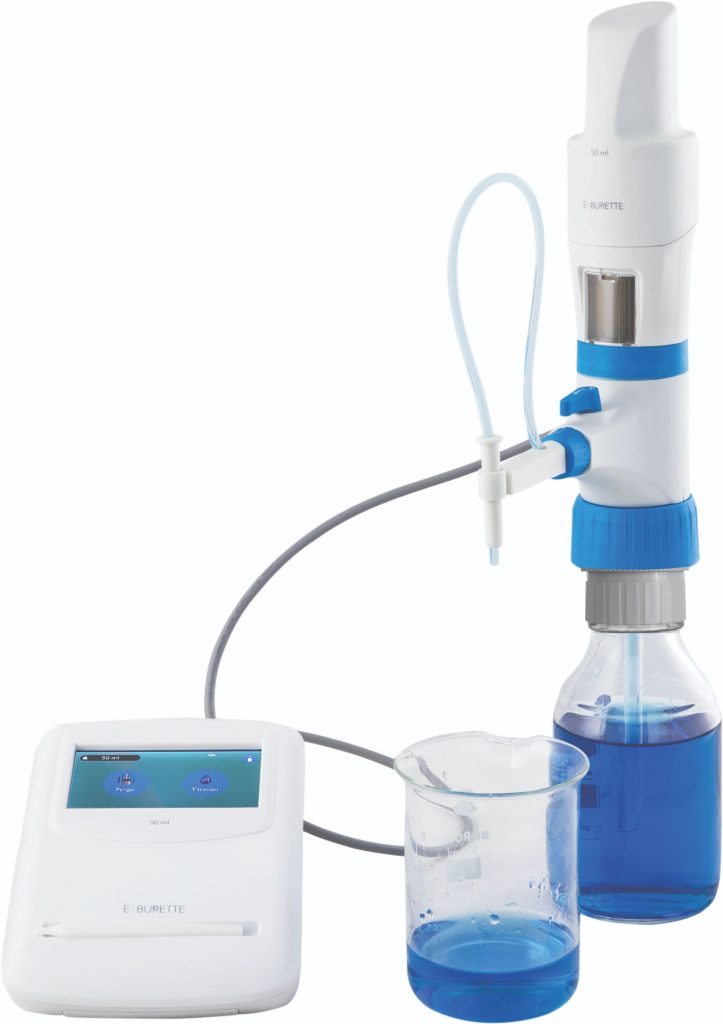
Microlit E-Burette: Innovating Precision in Food Safety Analysis

bottle top dispenser

Microlit Electronic Burettes are at the forefront of ensuring food and beverage safety with their advanced features and capabilities. Here’s a closer look at the innovative features of Microlit E-burettes that can contribute to enhancing food and beverage safety.

  • 3 Calibrated Speeds for Accurate Work

Microlit E-Burette offers versatile operation with three calibrated pre-set speeds, including dropwise dispensing, enabling precise attainment of accurate endpoints.

  • Seamless Performance Through Motor Control

Motor-controlled piston Movement Ensures Accurate and Comfortable Titrations, Eliminating Manual Errors Associated with Wheel-Controlled Movement.

  • Optimize Reagent Usage with Recirculation Mode

The Recirculation Mode conserves reagents by redirecting them back into the mounted bottle during purging, ensuring bubble-free dispensing and minimizing wastage.

  • Simplified Dispensing with FlexiNozzle™ Technology

FlexiNozzle™ features an adaptable delivery nozzle, providing exceptional flexibility in both horizontal and vertical orientations, simplifying dispensing tasks even in challenging laboratory environments.

  • Efficient Titrations Through TFT Touchscreen Control

The intuitive TFT Touchscreen interface facilitates rapid and precise titrations, displaying numeric data with precision up to the second decimal. Simply press the Stylus against the screen for dispensing, and lift it to a halt instantly.

  • Improved effectiveness with a robust control panel

The titration instrument is equipped with a robust Control Panel, facilitating various functions such as automatic re-filling without interrupting readings, zero reset via Tare, and convenient instrument shutdown.

The above features of Microlit Electronic Burette present a comprehensive solution for ensuring food safety. From precision and accuracy to versatility and ease of operation, these instruments are designed to meet the demanding requirements of food safety analysis. Whether it’s nutrient analysis, contaminant detection, or quality control, these burettes empower food manufacturers and laboratories to uphold the highest standards of safety and quality in the production and analysis of food and beverages.

To know more about Microlit Electronic Burettes, email us at info-usa@microlit.com or visit the website www.microlit.us.

What are the differences between ISO 8655 and ISO 17025?

In the realm of quality management and calibration standards, ISO norms play a pivotal role in ensuring precision, accuracy, and reliability across various industries. Among these, ISO 8655 and ISO 17025 stand out as critical benchmarks, each serving distinct yet interconnected purposes. In this comprehensive guide, we delve into the disparities between ISO 8655 and ISO 17025, shedding light on their unique features, applications, and significance.

ISO 8655: Precision in Liquid Handling

ISO 8655 specifically pertains to the calibration and use of piston-operated volumetric apparatus, commonly employed in laboratories for precise liquid handling. This standard meticulously outlines requirements for the design, calibration, and operation of these instruments, aiming to guarantee accuracy and consistency in volumetric measurements.

Key Components of ISO 8655

  1. Instrument Design: ISO 8655 sets forth stringent criteria for the construction and design of piston-operated pipettes, burettes, and dispensers. It delineates specifications regarding materials, dimensions, and ergonomic considerations to optimize functionality and user comfort.
  2. Calibration Protocols: Central to ISO 8655 is the establishment of robust calibration procedures tailored to ensure traceability and repeatability in volume measurements. Calibration methods encompass gravimetric, photometric, and spectrophotometric techniques, with emphasis on meticulous documentation and validation.
  3. Quality Assurance: Adherence to ISO 8655 necessitates comprehensive quality assurance measures throughout the lifecycle of volumetric apparatus. This encompasses rigorous testing, maintenance, and performance verification to mitigate uncertainties and uphold measurement integrity.
  4. Training and Competence: Recognizing the critical role of operators in maintaining measurement accuracy, ISO 8655 underscores the importance of personnel training and competence assessment. Competent personnel are essential for the proficient operation, calibration, and maintenance of volumetric instruments.

ISO 17025: Accreditation for Testing and Calibration Laboratories

In contrast to the instrument-specific focus of ISO 8655, ISO 17025 addresses broader quality management principles applicable to testing and calibration laboratories. This standard serves as a globally recognized framework for demonstrating technical competence and ensuring the reliability of laboratory results.

Key Components of ISO 17025

  1. Scope of Accreditation: ISO 17025 necessitates a comprehensive scope of accreditation, delineating the types of tests, calibrations, and measurements covered by the laboratory’s quality management system. This ensures transparency and clarity regarding the laboratory’s capabilities and limitations.
  2. Technical Competence: Central to ISO 17025 is the demonstration of technical competence through proficiency testing, inter-laboratory comparisons, and participation in relevant proficiency schemes. Laboratories must exhibit proficiency in specific testing or calibration methods within their accredited scope.
  3. Quality Management System (QMS): ISO 17025 mandates the implementation of a robust quality management system tailored to the laboratory’s operations. This encompasses document control, internal audits, corrective actions, and continual improvement initiatives to enhance overall efficiency and reliability.

Traceability and Measurement Uncertainty: Ensuring traceability to international standards and minimizing measurement uncertainty are fundamental tenets of ISO 17025. Laboratories must establish and maintain traceable measurement systems while quantifying and controlling sources of uncertainty to uphold result reliability.

Distinguishing Between ISO 8655 and ISO 17025

While both ISO 8655 and ISO 17025 contribute to quality assurance within the laboratory environment, they serve distinct purposes and address different aspects of measurement integrity. Differentiating factors include:

  1. Scope: ISO 8655 pertains specifically to the calibration and use of volumetric apparatus, whereas ISO 17025 encompasses broader quality management principles applicable to testing and calibration laboratories.
  2. Focus: ISO 8655 focuses on the design, calibration, and operation of piston-operated volumetric instruments, emphasizing precision and accuracy in liquid handling. In contrast, ISO 17025 emphasizes technical competence, quality management systems, and result reliability across various laboratory activities.
  3. Applicability: ISO 8655 is directly applicable to laboratories utilizing piston-operated pipettes, burettes, and dispensers for liquid handling tasks. Conversely, ISO 17025 applies to all testing and calibration laboratories seeking accreditation and recognition of their technical competence.
  4. Interconnection: While distinct, Both standards are interrelated in practice, as adherence to ISO 8655 may contribute to compliance with ISO 17025 requirements within the scope of calibration activities.

In summary, both represent indispensable standards in ensuring measurement accuracy, reliability, and quality within laboratory settings. While ISO 8655 focuses on precision in liquid handling through stringent calibration protocols, ISO 17025 provides a comprehensive framework for demonstrating technical competence and maintaining quality management systems across diverse laboratory operations. Understanding the distinctions between these standards is essential for laboratories seeking to uphold the highest standards of measurement integrity and reliability.

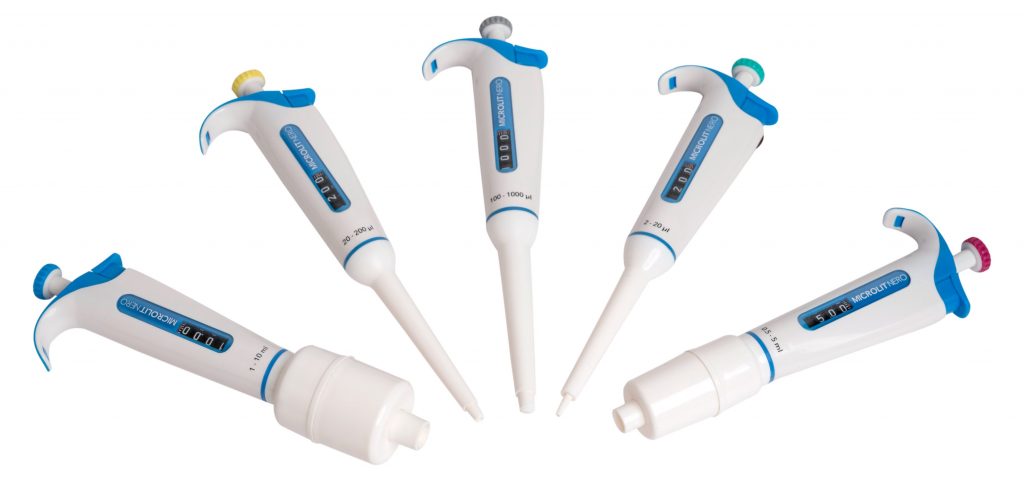
Microlit Micropipette NERO Ranges

Microlit’s portfolio of laboratory instruments and consumables, including the award-winning Bottletop Dispensers, Micropipettes, E-Burettes, Pipette Controller, etc., exemplifies excellence in precision and quality. Each product is meticulously engineered to adhere to both standards, ensuring unparalleled accuracy and reliability in your lab experiments.

With Microlit, you can trust in the precision of your measurements, backed by our unwavering commitment to meeting international quality benchmarks. Elevate your laboratory performance with Microlit’s range of products, where precision meets perfection, setting a new standard in laboratory instrumentation.

To know more about the Microlit product range, visit the website www.microlit.us.

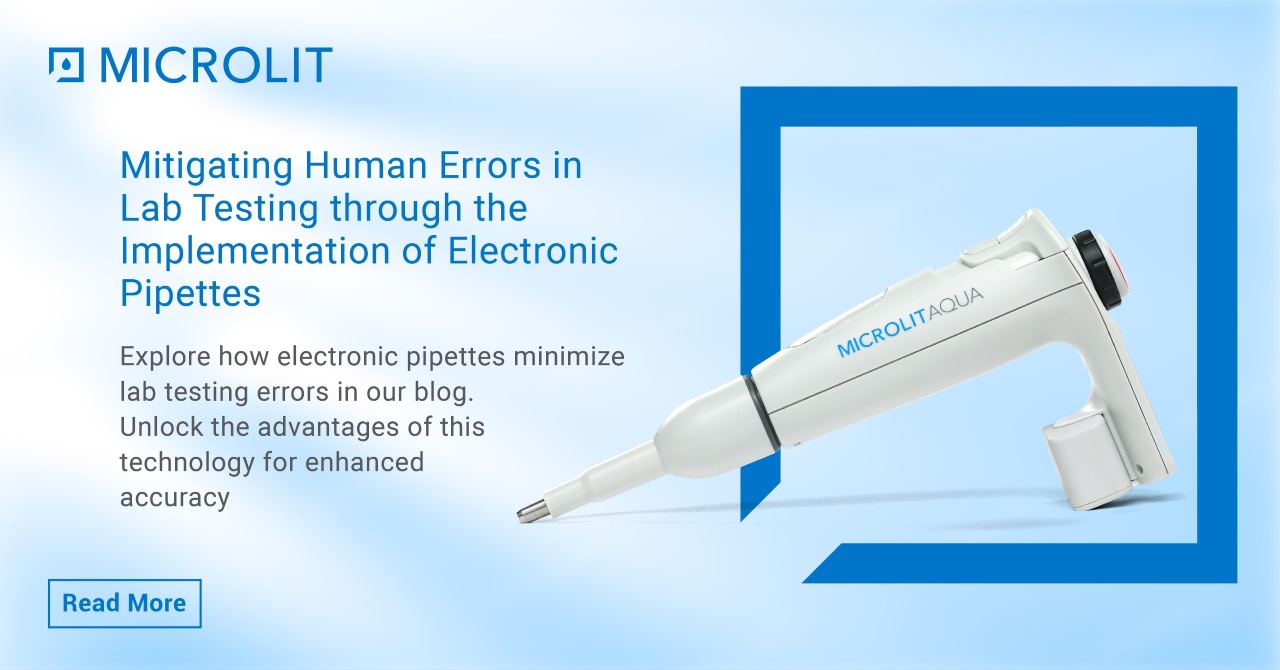
Mitigating Human Errors in Lab Testing through the Implementation of Electronic Pipettes

Precision and accuracy are critical in the laboratory testing process. However, human errors can frequently undermine the reliability of results, with serious consequences in a variety of scientific fields. Electronic pipettes have emerged as a promising solution for reducing errors in sample handling processes, providing increased accuracy, repeatability, and efficiency. This article explores the role of electronic pipettes in minimizing human error and optimizing laboratory workflows.

Understanding Human Errors in Lab Testing

Human errors in laboratory testing encompass a wide range of issues, including incorrect volume measurements and sample cross-contamination. Traditional manual pipetting techniques are prone to inconsistencies due to fatigue, hand tremors, and variability in technique among operators. These errors may lead to inaccuracies, compromising the integrity of experimental data and potentially leading to incorrect conclusions.

The Role of Electronic Pipettes

Electronic pipettes are a technological advancement that solves many of the problems associated with manual pipetting. E-Pipettes, unlike their manual counterparts, have precision-engineered mechanisms controlled by microprocessors, allowing for accurate and repeatable liquid volume dispensing. E-Pipettes automate the pipetting process, reducing the influence of human factors and ensuring consistent results across experiments.

Key Advantages of Having Electronic Pipettes

Electronic pipettes have revolutionized laboratory workflows by offering a multitude of advantages over traditional manual pipetting techniques.

  • Precision and Accuracy

Electronic pipettes provide unparalleled accuracy in volume dispensing, with minimal variation between samples. This precision is required for quantitative analyses and guarantees data integrity.

  • Programmable Functionality

Many electronic pipettes have programmable settings that allow users to adjust pipetting parameters like volume, speed, and dispensing mode. This flexibility improves workflow efficiency and accommodates a wide range of experimental requirements.

  • Ergonomic Design

Electronic pipettes are ergonomically designed to reduce user fatigue and discomfort after extended use. Features like lightweight construction, intuitive controls, and adjustable settings improve user comfort and productivity.

  • Reduced Risk of Contamination

Manual pipetting increases the risk of sample contamination due to accidental spills or contact with external surfaces. E-pipettes address this risk by providing sealed systems and disposable tips, which prevent cross-contamination and ensure sample purity.

  • Traceability and Documentation

Many electronic pipettes include integrated software systems for data logging, traceability, and regulatory compliance. This functionality streamlines documentation processes and allows for audit trails for quality assurance purposes.

Implementation Strategies

Integrating electronic pipettes into laboratory workflows requires careful planning and consideration of numerous factors. The key implementation strategies include:

  • Training and Education

Laboratory personnel should be given appropriate training programs to familiarize them with electronic pipetting techniques, instrument operation, and maintenance procedures.

  • Standard Operating Procedures (SOP)

Create standardized protocols for electronic pipetting procedures, including calibration, tip selection, and quality control checks. SOPs ensure consistent and reproducible results across multiple experiments.

  • Quality Assurance Measures

Follow regular calibration and performance verification protocols to ensure the accuracy and dependability of electronic pipettes. Routine maintenance and calibration intervals should be established to ensure instrument performance.

  • Integration of Laboratory Information Management Systems (LIMS)

Integrate electronic pipettes into LIMS software to improve data management, sample tracking, and result interpretation. This integration improves both workflow efficiency and data traceability.

  • Continuous Improvement

Request feedback from laboratory personnel on the usability, performance, and functionality of electronic pipettes. Continuously evaluate and refine protocols to improve efficiency and reduce errors over time.

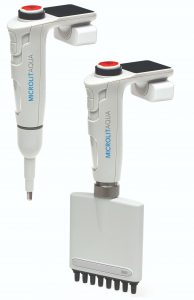
Enhance Your Pipetting Precision with the Microlit AQUA Electronic Pipette

Aqua Pipettes

The Microlit AQUA electronic pipette redefines precision and convenience in your lab. Engineered with advanced technology, it ensures accurate and reproducible pipetting with minimal effort. Its ergonomic design and intuitive interface enhance user comfort and efficiency. The electronic control mechanism guarantees precise volume delivery, eliminating variability associated with manual pipetting. With a rechargeable battery, it offers long-lasting performance, reducing downtime. Whether in research, diagnostics, or analytical applications, the Microlit AQUA e-pipette is your trusted companion for reliable and consistent results. Streamline your pipetting tasks and elevate your lab’s productivity with the Microlit AQUA.

To know more about Microlit AQUA E-Micropipettes or to order this product, visit https://www.microlit.us/