• Multiple Offers
    Multiple Offers
  • Support
    Real-Time Support
  • Free Replacement
    1-Year Free Replacement Warranty
  • (732) 321-0852

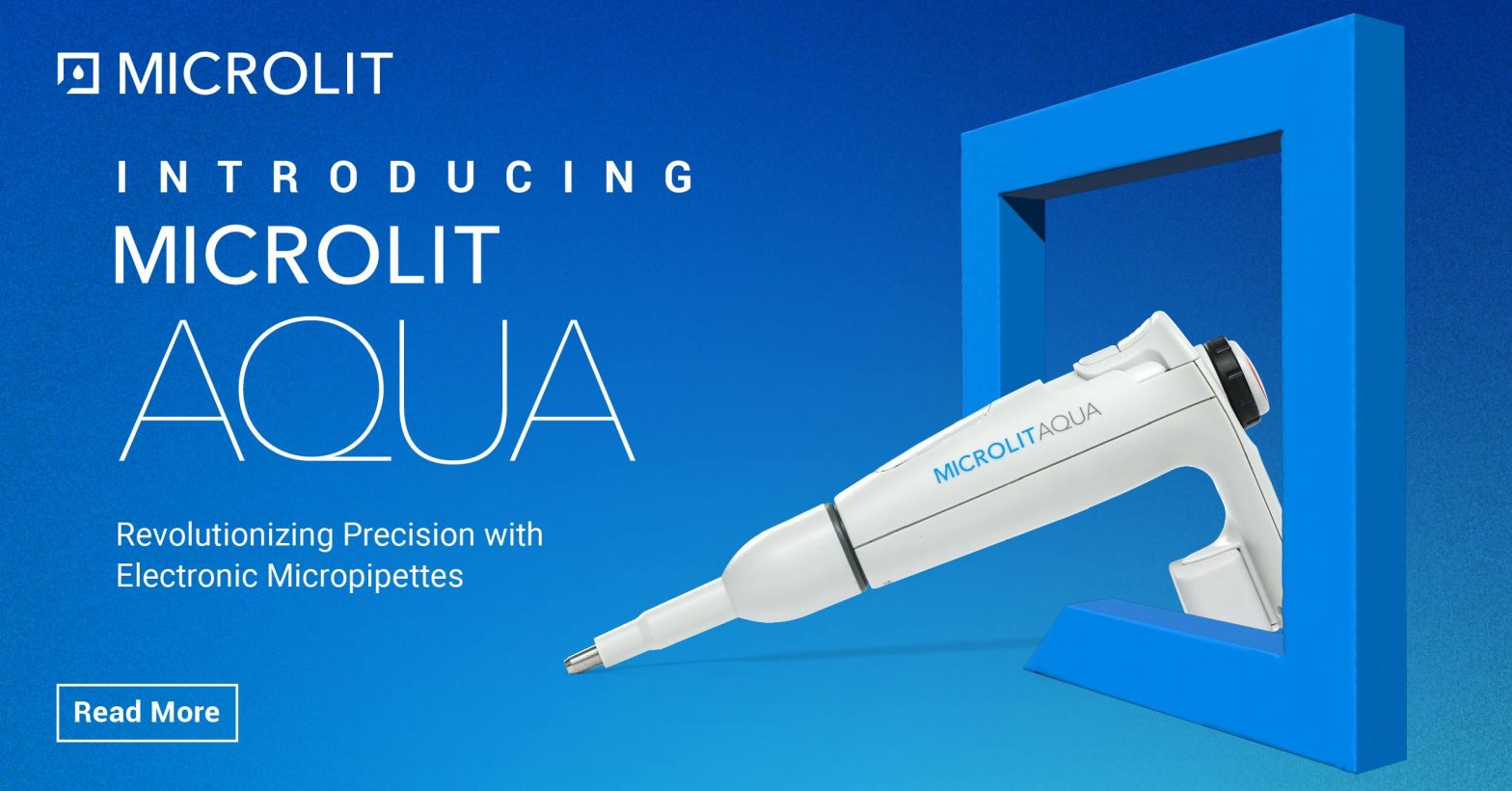
Introducing Microlit AQUA – Revolutionizing Precision with Electronic Pipettes

In the ever-evolving landscape of laboratory technology, precision and accuracy are paramount. Researchers, scientists, and professionals across various scientific disciplines rely on cutting-edge tools to ensure their experiments yield reliable results. One such revolutionary tool that has been making waves in the scientific community is the Microlit AQUA Electronic Pipettes. This state-of-the-art device is not just a pipette; it’s a game-changer in the world of liquid handling.

Understanding the Need for Precision

Accurate liquid handling is crucial in any laboratory setting, whether in biology, chemistry, pharmaceuticals, or diagnostics. The smallest deviation in volumes can lead to skewed results, jeopardizing the integrity of experiments and research outcomes. Traditional pipettes, while effective, often come with limitations in terms of precision, reproducibility, and user comfort.

Microlit AQUA Electronic Pipettes: A Technological Marvel
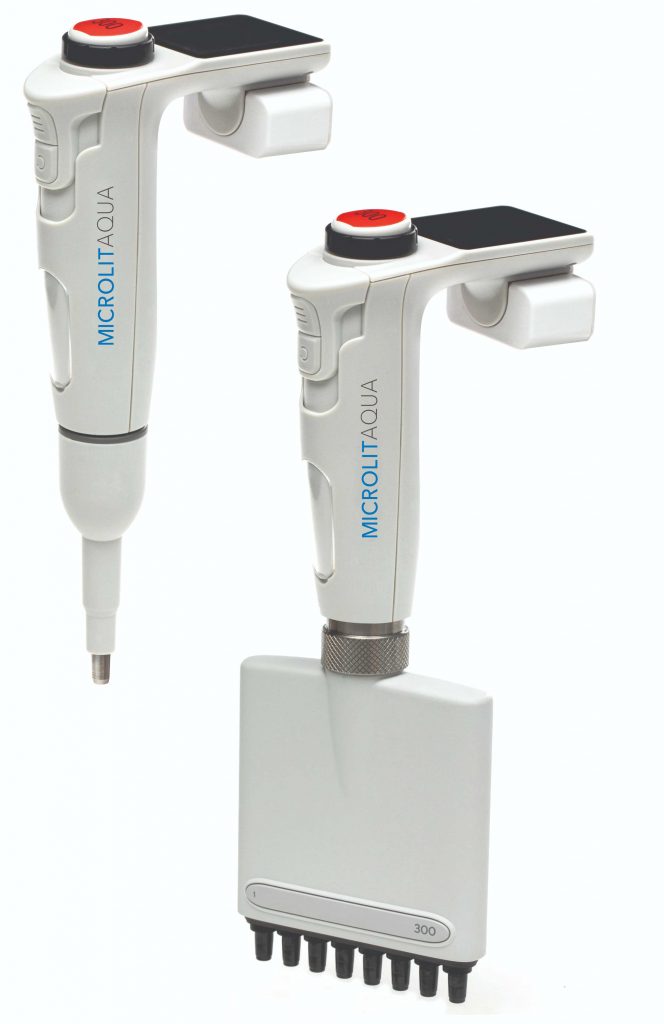
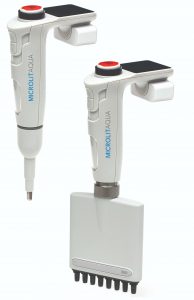
Aqua Pipettes

Microlit, a leading name in liquid handling instruments, has raised the bar with its Electronic Pipettes. These pipettes combine advanced technology with a user-friendly design to provide an unparalleled liquid handling experience.

1.  External Detachable Rechargeable Battery

The removable rechargeable battery in the electronic pipette contributes to its lightweight design. This feature not only enables temperature monitoring but also offers a quick solution in case of overheating by allowing easy removal or detachment of the battery. Consequently, users can experience uninterrupted and convenient pipetting for extended durations.

2.  Stainless Steel Tip Cone

The tip cone, crafted from 304 stainless steel, reduces the risk of leaks or air bubbles, ensuring precise and accurate pipetting, especially with smaller volumes. Its design allows for effortless cleaning by wiping or autoclaving, promoting hygiene and preventing contamination effectively.

3.  Speed Selection Mode

Users have the flexibility to choose and fine-tune the pipetting speed among three options: Low (L), Medium (M), and High (H).

4.  Internal Storage Memory

The user can store up to 6 programs in the memory and access them conveniently for reuse whenever needed.

5.  Linear Stepping Motor System

Electronic pipettes utilize a motor to control piston movement, ensuring precise dispensing of the programmed reagent volume. This eliminates the possibility of human error caused by approximation or parallax, guaranteeing accurate measurements.

6.  Comfortable Grasping with Ergonomic Design

The device’s ergonomic and intuitive design prioritizes user comfort, allowing for a comfortable grip that minimizes strain and effort when handling different liquids or reagents.

7.  Large Easy-to-Read Display

The expansive display offers live updates on crucial parameters such as battery status, calibration confirmation, and error messages in real-time. With tempered LCD glass, it ensures added protection against accidental impacts, scratches, and chemical spills.

8.  Adjustment Wheel

The adjustment wheel facilitates swift volume setting and seamless menu navigation, allowing for effortless single-handed operation.

9.  12 Unique Modes of Operations

A wide array of 12 distinct pipetting modes simplifies workflow and provides the flexibility to customize protocols and create personalized programs according to specific needs.

10. Soft Keys for Programming

Efficiently access your frequently used pipetting settings for a smoother user experience, enhancing navigation and operation of the electronic micropipette.

Key Features of Microlit AQUA Electronic Pipettes

Microlit AQUA Electronic Pipette has various features that contribute to its performance, user-friendliness, and versatility in various laboratory applications. Let’s delve into the key features of the Microlit Electronic Pipette.

  • Electronic Control and Microprocessor Technology

The heart of the Microlit Electronic Pipette lies in its electronic control system, powered by microprocessor technology. This ensures accurate and reproducible liquid dispensing, down to the microliter level, making it a valuable asset for applications demanding high precision.

  • User-Friendly Touchscreen Interface

The pipette is equipped with an intuitive touchscreen interface that simplifies operation. Users can easily navigate through settings, configure parameters, and access programmable modes with just a few taps. This user-friendly design minimizes the learning curve, allowing both novice and experienced users to operate the pipette effortlessly.

  • Programmable Modes for Customized Pipetting Protocols

Microlit Electronic Pipettes feature programmable modes that allow users to save and replicate specific pipetting protocols. This customization ensures consistency across experiments and saves time by eliminating the need to repeatedly input parameters.

  • Adjustable Pipetting Speed

The ability to control pipetting speed is a crucial feature for various applications. Microlit Electronic Pipettes enable users to adjust the speed according to the viscosity of the liquid being dispensed. This feature is particularly beneficial for tasks where a gentle touch or a faster dispense is required.

  • Ergonomic Design for User Comfort

The ergonomic design of the pipette prioritizes user comfort during prolonged use. Its lightweight construction and well-balanced design reduce hand fatigue, promoting a comfortable and efficient pipetting experience. The adjustable finger hook accommodates users with different hand sizes, further enhancing usability.

  • Long-Lasting Lithium-Ion Batteries

Microlit Electronic Pipettes are powered by durable lithium-ion batteries, providing an extended period of usage on a single charge. This feature ensures uninterrupted workflow in the laboratory, eliminating the need for frequent recharging and minimizing downtime.

  • Compatibility with a range of Tips

These pipettes are designed to be compatible with various brands and types of tips, offering users flexibility in their choice. Whether using standard or filter tips, the Microlit Electronic Pipette seamlessly integrates into different laboratory setups, enhancing versatility.

  • Calibration and Auto-Calibration Functions

To maintain accuracy over time, the Microlit Electronic Pipette is equipped with calibration and auto-calibration functions. Users can calibrate the pipette as needed, and the auto-calibration feature ensures ongoing accuracy, reducing the risk of measurement deviations.

  • Safety Features

The pipette incorporates safety features to prevent accidental dispensing and ensure reliable performance. These may include electronic tip ejection, overblow, and other mechanisms that contribute to the overall safety and reliability of the pipetting process.

  • Durable Construction

Microlit Electronic Pipettes are built with durability in mind, using high-quality materials that withstand the rigors of laboratory work. This robust construction ensures longevity, making the pipette a reliable investment for research and scientific applications.

Microlit Electronic Pipette emerges as a cutting-edge solution in the realm of liquid handling technology. With its precision, user-friendly features, and innovative design, this electronic pipette sets a new standard in laboratory workflows. Researchers and professionals can now experience heightened accuracy, increased efficiency, and seamless programmability, ultimately contributing to enhanced results in various scientific applications.

To know more about Microlit AQUA Electronic Pipette, please email us at info-usa@microlit.com or visit the Microlit product page https://www.microlit.us/product-category/electronic-micropipette/.
Maximizing the Lifespan of Your Bottle Top Dispensers: A Comprehensive Guide

Laboratory equipment, particularly bottle top dispensers, serves as the backbone of accurate and precise measurements in scientific experiments. However, ensuring the longevity of these devices is crucial for maintaining their functionality and reliability over time. Let’s delve into the essential strategies to extend the lifespan of your bottle top dispensers and optimize their performance.

Understanding the Significance

Bottle top dispensers play a pivotal role in delivering precise volumes of reagents or chemicals. Their longevity directly influences the accuracy of measurements, the consistency of experimental outcomes, and the overall cost-efficiency of laboratory operations. Preserving their lifespan isn’t merely about equipment maintenance; it’s an investment in reliable scientific research.

Factors Impacting Longevity

Several factors contribute to the degradation of bottle top dispensers:

1. Chemical Compatibility

Some substances might corrode or degrade the materials used in dispensers.

2. Improper Handling

Mishandling, exceeding recommended volumes, or rough usage can cause internal damage.

3. Environmental Factors

Exposure to extreme temperatures, direct sunlight, or moisture can affect the device’s components.

4. Lack of Maintenance

Insufficient cleaning, infrequent lubrication, or irregular calibration can lead to decreased performance and potential damage.

Proactive Maintenance Practices

1. Cleaning Regimen

After each use, ensure thorough cleaning. Rinse the dispenser with distilled water to remove any residues, and for stubborn residues, employ a mild detergent solution. Complete the process with a final rinse using distilled water. Regular cleaning prevents chemical build-up that could compromise accuracy. 

2. Storage Conditions

Proper storage significantly impacts the lifespan of dispensers. Store them in a clean, dry, and controlled environment away from direct sunlight and extreme temperatures. A stable environment shields them from environmental degradation.

3. Routine Inspections and Maintenance

Regular inspections are crucial. Look for signs of wear, leaks, or damage. Address issues promptly to prevent further damage or inaccurate measurements. Additionally, adhere to the manufacturer’s guidelines for maintenance.

4. Calibration and Testing

Scheduled calibration ensures accurate measurements. Follow the manufacturer’s instructions to calibrate the dispenser regularly. Testing identifies potential issues early on, allowing for timely interventions and improved accuracy.

5. Replacement of Worn Parts

Keep an eye on the wear and tear of components like O-rings and pistons. Replace these parts as recommended by the manufacturer to maintain accuracy and prevent potential damage.

User Training and Awareness

Educating laboratory staff is fundamental to extending the lifespan of dispensers:

1. Proper Handling

Train staff on correct usage and handling protocols to prevent accidental damage.

2. Chemical Compatibility Awareness

Ensure users understand the compatibility of chemicals with dispenser materials. This knowledge helps prevent corrosion and extends the lifespan of the equipment. Microlit offers a chemical compatibility chart for every product purchased, ensuring users have comprehensive information for their laboratory needs.

Benefits of Prolonging Lifespan of Bottle Top Dispensers

In the realm of laboratory operations, the significance of extending the lifespan of bottle top dispensers cannot be overstated. These precision instruments are the backbone of accurate measurements, contributing directly to the reliability of experimental outcomes. 

Extending the lifespan of bottle top dispensers offers several advantages:

  • Cost Efficiency

Prolonging the lifespan of bottle top dispensers leads to decreased frequency in replacements. Laboratories benefit from substantial cost savings as they reduce expenditure on purchasing new equipment. With extended lifespans, financial resources can be allocated to other critical areas of research, development, or equipment enhancement within the laboratory.

  • Consistent and Reliable Performance

Extending the lifespan ensures consistent and accurate measurements. Reliability in experimental outcomes is maintained, fostering trust in research data and conclusions drawn from them. Well-maintained dispensers contribute to consistent experimental results over time, establishing a solid foundation for ongoing research and analyses.

  • Enhanced Operational Efficiency

Prolonging the lifespan reduces the need for frequent repairs or replacements. Laboratories experience minimal downtime, ensuring continuous operations and increased productivity. Consistently functioning equipment allows for smoother workflow management, ensuring tasks are completed efficiently without interruptions caused by equipment failures.

  • Scientific Integrity

Extended lifespan of dispensers safeguards the integrity of scientific research. Accurate measurements contribute to reliable data, enabling scientists to draw accurate conclusions and make informed decisions. Consistency in equipment performance maintains the quality standards necessary for scientific credibility and peer-reviewed publications.

Extending the lifespan of bottle top dispensers is an investment in precision, reliability, and cost-effectiveness. Adhering to proper maintenance practices, ensuring correct handling, and educating users about chemical compatibility contribute significantly to the longevity and accuracy of these essential laboratory instruments. By following these guidelines, laboratories can ensure the sustained performance of their dispensers, ultimately advancing scientific research and analysis.

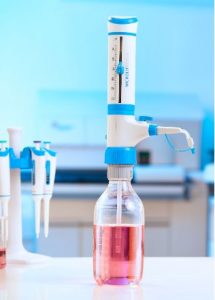
Microlit Beatus Bottle top dispenser with Recirculation Valve Technology

Beatus Lifestyle

Microlit’s Beatus Bottle Top Dispenser is engineered with cutting-edge features that redefine liquid handling efficiency. Its dual-mode re-circulation valve stands out, enabling priming without any loss of precious liquid contents.

This dispenser boasts exceptional compatibility across a broad spectrum of solvents, ensuring versatility in various laboratory setups. Furthermore, its autoclavable nature adds to its convenience and hygiene.

The ingenious recirculation valve plays a crucial role in directing excess liquid back into the original container during purging, significantly reducing wastage. Enjoy seamless, bubble-free dispensing, guaranteeing accurate and precise measurements every time.

The inclusion of FlexiNozzle™ technology is a game-changer, offering an adjustable delivery nozzle for unparalleled adaptability, particularly in challenging laboratory conditions. Beatus is meticulously crafted to prioritize ergonomic design and intuitive operation, ultimately enhancing precision in real laboratory scenarios.

To know more about Microlit Bottle Top Dispensers and how they can improve your productivity levels, no matter which industry you are a part of, click here.

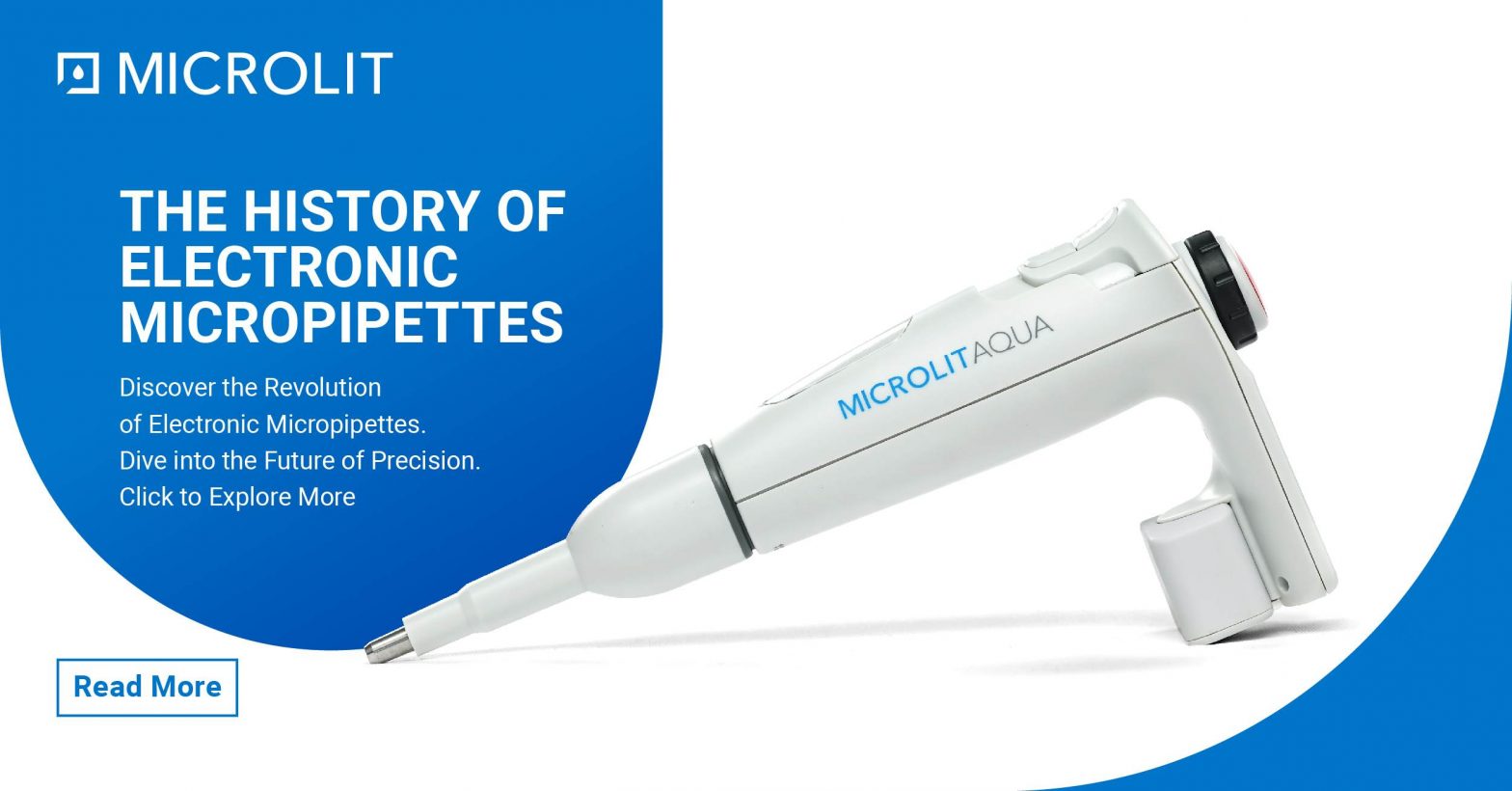
A Journey Through the History of Electronic Micropipettes

In the intricate world of laboratory equipment, the role of micropipettes such as the Microlit tablet, stands unparalleled in enabling precise and accurate liquid handling. Over the years, these indispensable tools have undergone a transformative journey, especially with the advent of electronic micropipettes, revolutionizing the way researchers, scientists, and technicians handle minute volumes in their experiments. In the past, mouth pipetting was commonly used in laboratories, but modern pipetting technologies have significantly reduced the need for this method due to safety and efficiency improvements.

Early Beginnings: Traditional Micropipettes

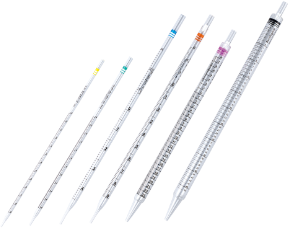
Glass Pipette

Before the electronic era, laboratories relied on traditional micropipettes, primarily made of glass and operated manually. The 1950s marked a significant shift with the introduction of the air-displacement pipette by Dr. Heinrich Schnitger. This innovation, which utilized an air cushion to displace the liquid, set the foundation for the modern micropipette.

The Birth of Electronic Micropipettes

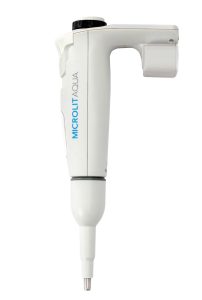
Microlit AQUA Electronic Pipette

The turning point in liquid handling technology came with the emergence of electronic micropipettes, such as those developed by Microlit in the late 20th century. The collaboration of engineering precision and scientific requirements led to the development of electronic systems that offered greater accuracy, precision, and ease of use compared to their manual counterparts.

Mouth Pipetting

While traditional micropipettes have paved the way, modern practices discourage mouth pipetting due to safety concerns and the availability of advanced technologies like the Microlit tablet. Electronic micropipettes, like those from Microlit, provide a safer and more efficient alternative, eliminating the risks associated with mouth pipetting.

In summary, the evolution of micropipettes, from traditional glass ones to advanced electronic versions like the Microlit tablet, has significantly enhanced the accuracy and efficiency of liquid handling in laboratories. The collaboration of technology and scientific innovation continues to shape the landscape of research and experimentation.

1990s: The Era of Digital Advancements

The 1990s witnessed a surge in technological advancements, and the field of micropipettes was no exception. Electronic micropipettes integrated digital displays, enabling users to set and adjust volumes with ease precisely. This digital revolution significantly enhanced the reproducibility and accuracy of experiments, leading to more reliable results.

Pipetting Precision: The Impact of Electronic Mechanisms

Electronic micropipettes incorporated innovative mechanisms, such as stepper motors and electronic sensors, facilitating controlled aspiration and liquid dispensing. This not only improved accuracy but also reduced the risk of repetitive strain injuries often associated with manual mouth pipetting.

The Rise of Multichannel and Programmable Micropipettes

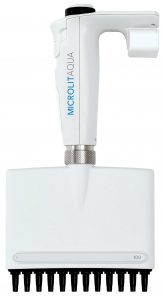
Aqua 12 Channel Pipette

As the demand for efficiency and throughput grew, so did the need for multichannel electronic micropipettes. These instruments allowed simultaneous aspiration and dispensing from multiple channels, expediting workflows and significantly increasing productivity in high-throughput laboratories.

Additionally, the integration of programmable features in electronic micropipettes marked a milestone in experimental customization. Researchers could now program specific liquid-handling protocols, automating repetitive tasks and ensuring experiment uniformity.

Advancements in Ergonomics and User Experience

Beyond functionality, the focus shifted toward improving the user experience and ergonomics of electronic micropipettes. Manufacturers began designing pipettes with ergonomic shapes and intuitive interfaces, aiming to reduce hand fatigue and enhance user comfort during prolonged use.

Modern Innovations: Connectivity and Data Logging

In recent years, electronic micropipettes have entered the realm of connectivity. Integration with laboratory information management systems (LIMS) and software solutions allow for data logging, traceability, and the seamless transfer of pipetting protocols, further streamlining laboratory processes.

Moreover, Bluetooth-enabled micropipettes have emerged, enabling wireless connectivity to laboratory devices, smartphones, or tablets. This connectivity facilitates remote monitoring, tracking, and sharing of pipetting data, fostering collaboration and efficiency in research environments.

Future Trends and Expectations

As technology continues to advance, the future of electronic micropipettes holds exciting possibilities. Emerging trends indicate the integration of artificial intelligence (AI) and machine learning algorithms to optimize liquid handling protocols, predict user preferences, and enhance error detection and correction.

Furthermore, the exploration of novel materials, such as advanced polymers and nanomaterials, aims to improve the durability, precision, and sustainability of electronic micropipettes while reducing their environmental footprint.

Paving the Way for Precision in Science

From humble beginnings with glass pipettes to the sophisticated electronic systems of today, the evolution of micropipettes embodies a commitment to precision and accuracy in scientific endeavors. The journey of electronic micropipettes reflects a fusion of scientific innovation and technological progress, empowering researchers worldwide to push the boundaries of discovery and knowledge.

As these essential tools continue to evolve, the future promises greater efficiency, connectivity, and precision, paving the way for groundbreaking discoveries in the ever-expanding landscape of scientific exploration. Mouth pipetting is now largely obsolete, with electronic micropipettes providing safer and more accurate liquid handling solutions.

Microlit AQUA Electronic Pipette: A New Era of Precision

Aqua Pipettes

Microlit AQUA stands out as a versatile electronic volumetric pipette engineered for precise and secure liquid handling. Tailored to meet diverse needs, it excels in measuring and transferring liquid volumes, spanning from an impressive 0.1 µL to 10,000 µL across its various models. Available in single-channel and Multichannel versions (8-channel and 12-channel), these electronic micropipettes prioritize convenience with their compact, lightweight design achieved through a detachable rechargeable battery, enhancing portability without compromising on performance.

Features of Microlit AQUA

  • External Detachable Rechargeable Battery
  • Stainless Steel Tip Cone
  • Speed Selection Mode 
  • Internal Storage Memory
  • Linear Stepping Motor System
  • Comfortable Grasping with Ergonomic Design
  • Large Easy-to-Read Display
  • Adjustment Wheel
  • 12 Unique Modes of Operations
  • Soft Keys for Programming

To know more about Microlit AQUA Electronic Micropipettes or to order this product, visit https://www.microlit.us/

Crucial Contribution of Burettes in Pharmaceutical Drug Formulation Precision

In the realm of pharmaceuticals, precision is not just a preference but an absolute necessity. The accurate measurement and dispensing of liquids play a pivotal role in drug formulation, and in this landscape, burettes stand as fundamental tools ensuring precision and reliability.

The Precision Mandate

Precision in pharmaceutical drug formulation is non-negotiable. Even the slightest deviation in dosage can significantly impact a medication’s effectiveness and safety. This is where burettes, with their precise measurement capabilities, come into the picture.

Burettes, calibrated to exacting standards, offer a level of accuracy that is essential in the meticulous world of pharmaceutical science. Their graduated scales and fine-tuned mechanisms enable scientists and pharmacists to measure and dispense liquids with utmost precision, ensuring that each dosage is exact and consistent.

Foundations of Drug Development

At the very core of drug development lies the need for accurate dosing. Whether it’s for research purposes, formulation testing, or actual drug manufacturing, burettes play a crucial role. They facilitate the precise addition of reagents, enabling scientists to carefully control reactions and formulations.

In pharmaceutical laboratories, where each element in a formulation must be measured precisely, burettes are indispensable. From titrations to compound preparations, these instruments provide the necessary accuracy to achieve consistent and reliable results, laying the groundwork for safe and effective medications.

Assuring Quality Control and Compliance

Pharmaceutical regulations are stringent, and adherence to these standards is imperative. Burettes, calibrated and validated at regular intervals, ensure compliance with these rigorous regulations. Their precise measurement capabilities provide pharmaceutical companies with the assurance of accurate dosages, thereby upholding quality control measures.

In drug formulation, the accuracy of dosing directly correlates with patient safety. Burettes significantly contribute to ensuring that medications are formulated accurately, reducing the risks associated with incorrect dosages and reinforcing patient-centric safety measures.

Evolution in Precision Technology

As technology progresses, so do burettes. Modern iterations are integrating with digital systems, ushering in a new era of precision. Digital burettes offer features such as data logging and automated dispensing, enhancing traceability and reducing human error. These advancements not only streamline workflow but also contribute to improved accuracy and efficiency in drug formulation processes.

Moreover, innovations in materials and manufacturing techniques have resulted in burettes that are more durable, chemically resistant, and easier to clean. These advancements not only ensure longevity but also maintain accuracy and reliability in pharmaceutical settings.

Future Prospects and Contributions

The future of burettes in pharmaceutical drug formulation precision looks promising. With ongoing advancements in technology and materials, these instruments are set to further elevate their role in pharmaceutical laboratories. Digital integration, artificial intelligence, and automation are anticipated to enhance the capabilities of burettes. The integration of these technologies will not only optimize the accuracy and efficiency of drug formulation processes but also contribute to a more comprehensive understanding of formulations, enabling further advancements in pharmaceutical sciences.

In the intricate and precise landscape of pharmaceutical drug formulation, burettes remain indispensable. Their evolution mirrors the ever-changing demands of the pharmaceutical industry, ensuring that accuracy, reliability, and safety are upheld in the creation of medications.

From their foundational role in accurate measurement to their adaptation to modern technological advancements, burettes stand as guardians of precision in pharmaceutical laboratories worldwide. Their crucial contribution in ensuring drug formulation precision underscores their vital role in the continuous pursuit of safe and effective medications for the betterment of global healthcare.

Microlit E-Burettes: One solution for all your needs

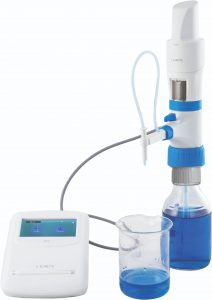
Electronic BuretteIntroducing Microlit E-Burette, a motor-operated digital solution crafted by Microlit expert engineers. With a touchscreen control panel, motor-driven piston, and 3 calibrated speeds, it’s a powerhouse for liquid handling and titration. Ergonomic, intuitive, and widely used in pharmaceutical and industrial titration procedures like purity analysis, content analysis, and pH-stat titration.

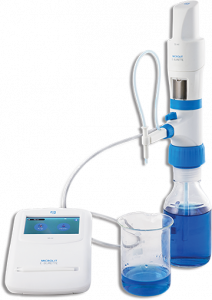
Compared to glass burettes, the Microlit E-Burette ensures superior accuracy while virtually eliminating human error through its automated functions. Its motor-controlled piston surpasses the limitations of manual and digital burettes, offering precise, user-guided titrations. The touchscreen interface provides real-time numeric data, allowing preset speeds and dropwise dispensing for pinpoint accuracy, including the innovative ‘One-Touch, One-Drop’ feature for dispensing even the minutest volumes.

if you wish to know more about Microlit E-Burette or any of our products and make a purchase, contact us at info-usa@microlit.com or visit the website.

Titration in the Digital Age: Connectivity and Data Recording with Electronic Burettes

In the era of technological advancement, titration, a cornerstone of analytical chemistry, undergoes a transformative evolution. Embracing the digital age, the integration of electronic burettes revolutionizes the landscape of titration methodologies. Connectivity and advanced data recording capabilities redefine precision and efficiency in analytical processes, marking a significant shift in the way we approach titration. To discuss more about this, let us start with the burette. To delve deeper into this topic, let’s begin our exploration by focusing on the burette.

What is Burette?

A burette, a staple in laboratories, serves a crucial role in conducting titrations. Titrations involve the use of a solution with a known concentration (titrant) to ascertain the unknown concentration of another solution (analyte). The completion or endpoint of the experiment is typically signaled by a visual indicator.

There are two prevalent types of burettes: glass burettes and digital burettes. Before delving into the superiority of electronic burettes (E-Burettes), let’s explore each of these options in detail.

  • Glass Burette

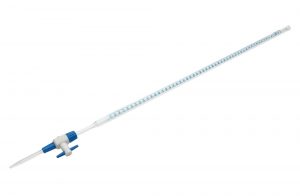
Glass Burette

A glass burette is a fundamental laboratory apparatus used primarily for titrations and precise liquid dispensing. Comprising a graduated glass tube with a stopcock at the bottom, it facilitates controlled release and measurement of liquid volumes during chemical analyses.

In titrations, a glass burette allows for the gradual addition of a titrant solution to an analyte solution until the desired reaction endpoint is achieved. The graduated scale along the length of the glass tube enables accurate measurement of the volume of liquid dispensed. Typically, a visual indicator, such as a color change, signals the completion of the titration.

  • Electronic Burette

Electronic Burette

An electronic burette such as the Microlit E-Burette, stands out as an advanced and thoughtfully designed instrument prioritizing ergonomics and user-friendly operation. It boasts sophisticated features, including motor-controlled piston movement, a touchscreen-enabled Control Panel featuring a graphical user interface (GUI), and calibrated pre-set speeds for executing exceptionally precise titrations.

Compared to traditional glass burettes, the Microlit E-Burette offers significantly higher accuracy. The risk of human error is virtually eliminated, thanks to the automation of most tasks, a notable improvement over both glass and digital burettes.

The innovation in motor-controlled piston movement addresses the limitations associated with manual dispensing in digital and glass burettes. The user-friendly touchscreen simplifies the titration process, providing real-time numeric data up to the second decimal. Users can choose from pre-set speeds during titrations, including the option for dropwise dispensing, ensuring precise endpoint determination. An enhanced dropwise dispensing feature, known as “One-Touch, One-Drop,” enables users to dispense reagents with extraordinary precision, even in the minutest volumes.

Connectivity and Data Recording with Microlit E-Burette Software

Featured 21 CFR

Microlit recognizes the prevalent adoption of electronic record-keeping in the industry. Hence, it becomes imperative to guarantee the security and integrity of stored data through the utilization of a software solution that aligns with the stringent regulations outlined in FDA 21 CFR Part 11. Building on this philosophy and following an extensive 12-month research and development phase, Microlit introduces the brand-new Microlit E-Burette Software, meticulously crafted to adhere to the guidelines set forth by FDA 21 CFR Part 11.

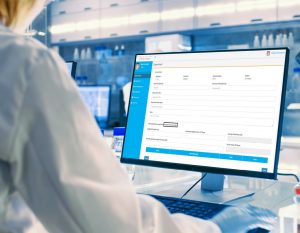
The Microlit E-Burette Software guarantees the utmost data integrity and connectivity through a range of features such as unalterable electronic records, multiple authentication checks, and stringent data privacy measures. Users have the capability to craft electronic records for titration experiments, seamlessly transferring readings (titre values) from the e-burette to our software. Leveraging user inputs and these readings, our software precisely calculates the analyte’s molarity. The data stored here holds significant value, and its safeguarding is paramount—we ensure its integrity by strictly adhering to FDA regulations.

The Microlit E-burette is now available for purchase alongside specialized computer software that complies with FDA 21 CFR Part 11 regulations, ensuring data security and controlled user access. This enhancement enables major pharmaceutical companies to confidently utilize the Microlit E-burette, knowing that their sensitive data will reside in secure servers.

For further details about the Microlit E-burette and the newly compliant FDA 21 CFR Part 11 software, please reach out to us via email at info-usa@microlit.com.