• Multiple Offers
    Multiple Offers
  • Support
    Real-Time Support
  • Free Replacement
    1-Year Free Replacement Warranty
  • (732) 321-0852

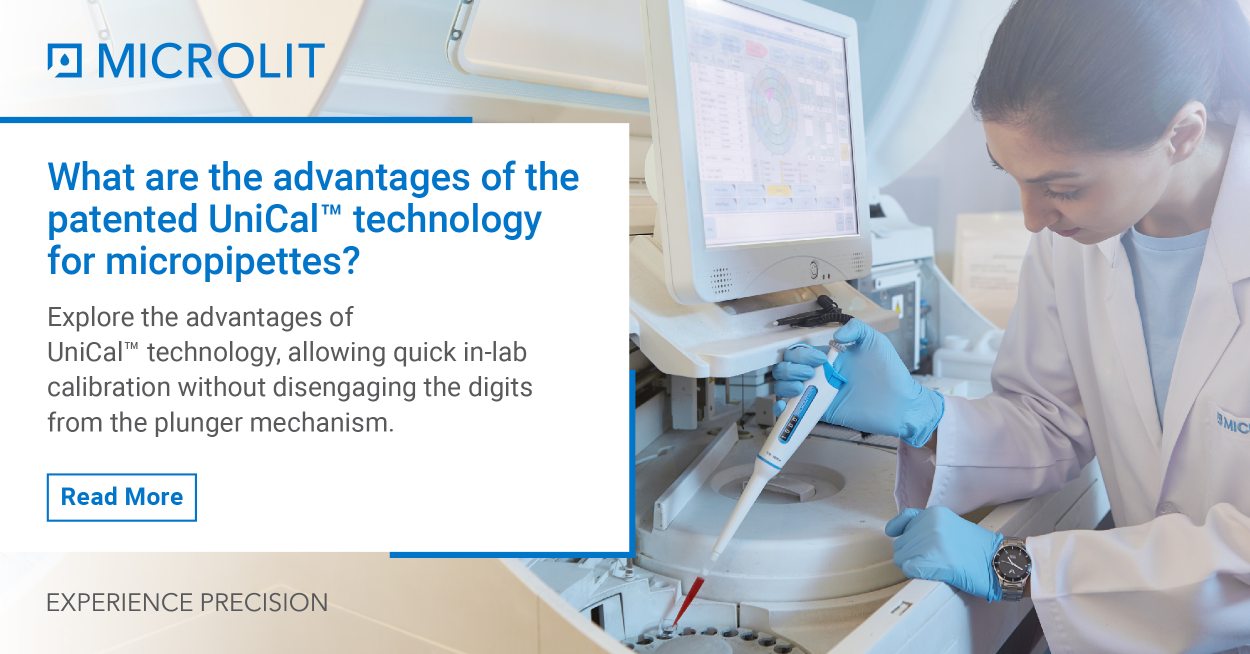
What are the advantages of the patented UniCal™ technology for micropipettes?

Micropipette calibration is a critical process in scientific laboratories that involves verifying and adjusting the accuracy of micropipettes. These precision instruments are commonly used to measure and transfer small volumes of liquids in fields such as molecular biology, biochemistry, and microbiology. The importance of micropipette calibration cannot be overstated, as it ensures accurate and reliable liquid handling, consistency in experimental results, quality control, cost reduction, compliance with standards, and the longevity of pipettes.

The patent for “NERO micropipette,” the newest product from Microlit and winner of the India Design Mark 2021 award, has been obtained for its distinctive calibration system, the UniCal technology, which enables fast in-lab calibration in a single operation without disengaging the digits from the plunger mechanism.

What is UniCal Technology?

The process of calibration is a common issue for users of micropipettes. Re-calibrating the instrument takes a significant amount of time and effort, especially when there is a large difference between the current volume setting and the desired volume setting. To have their instruments re-calibrated, labs frequently contact a third-party calibration lab. 

In the Microlit NERO, the most notable difference is its calibrating mechanism, UniCal technology. This unique calibration mechanism enables quick in-lab calibration in a single operation without disengaging the digits from the plunger mechanism. A Microlit calibration tool helps in the configuration of the micropipette to achieve desired accuracy and precision. The tool engages the plunger, calibration nut, and pipette digits and can be used to configure the pipette without disassembling or disengaging the digits of the micropipette.

Advantages of UniCal™ Technology for Calibration

The existing methods for re-calibrating micropipettes can be laborious and time-consuming, particularly when adjusting the volume setting from its current value to a desired value (measured by dispensing liquid into a container weighed by an analytical balance). For instance, in the case of conventional micropipettes:

  • Many calibration procedures involve trial-and-error methods, requiring users to match markers on the pipette with a chart in an instructional manual. This process is time-consuming and can be frustrating.
  • Some calibration procedures necessitate the disassembly of specific components of the pipette, adding complexity and further extending the time required for the procedure.
  • The current time-consuming and complex nature of pipette calibration often compels users to send their pipettes to third-party facilities for expensive and lengthy re-calibration, even for minor adjustments.

Therefore, the existing methods of micropipette re-calibration demand extensive time and effort, presenting challenges when significant adjustments in volume settings are needed. These limitations call for more efficient and user-friendly calibration mechanisms to enhance the overall calibration process.

Unical™ Technology brings a range of merits and advantages to the field of micropipette calibration. This innovative approach revolutionizes the calibration process, offering improved convenience, cost savings, and enhanced user experience. By eliminating the drawbacks of traditional calibration methods, Unical Technology sets a new standard for accuracy, efficiency, and ease of use.

  1. The Unical calibration method eliminates the inconvenience of the Hit-and-trial calibration approach.
  2. It saves both time and cost by eliminating the need to send the instrument to an external facility for third-party calibration.
  3. It allows the user to re-calibrate without having to disassemble any components, disengage the plunger digits, or match calibration markers on the micropipette to the volume adjustment chart in the user manual.

To know more about the features and functionality of Microlit NERO and its Unical Technology, please contact us at info-usa@microlit.com or visit our website https://www.microlit.us/product-category/ergonomic-micropipettes/.

Are both Micropipettes and Bottle Top Dispensers autoclavable?

What is Autoclave?

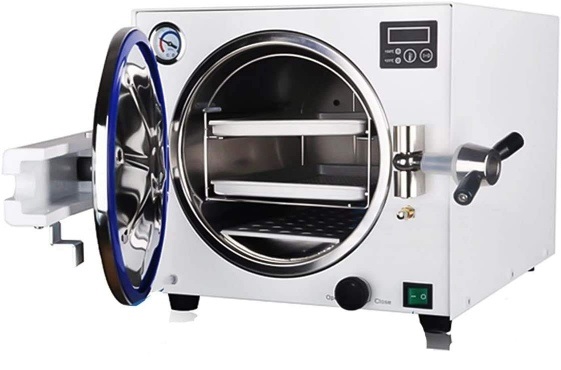
Autoclaves, often known as steam sterilizers, are commonly used in healthcare and commercial applications. An autoclave is a machine that uses high-pressure steam to eliminate hazardous bacteria, viruses, fungi, and spores on components placed inside a pressure vessel. The items are heated for a set period of time to an optimum sterilizing temperature. The moisture in the steam efficiently transfers heat to the substances, causing the bacteria and spores’ protein structures to be eliminated.

Autoclave Machine
Autoclave Machine

In the medical field, the phrase “autoclave” is commonly used to refer to a Steam Sterilizer. ANSI/AAMI4, which provides standards and guidelines for the processing of medical devices, refers to steam sterilizers as autoclaves for healthcare.

What kind of materials can be sterilized in an autoclave?

It is critical to determine which materials are suitable for the autoclave procedure. This sterilization method’s pressure and heat are incompatible with incompatible materials. Furthermore, poor loading of these materials into an autoclave can cause property damage as well as health and safety risks. To avoid accidents, everyone working with an autoclave should understand what materials are autoclavable.

Materials that can be sterilized in an autoclave:

  • Surgical Instruments
  • Glassware
  • Autoclavable Plastic Ware
  • Centrifuge Tubes
  • Pipette Tips
  • Chemical Solutions
  • Water (commonly used for animal consumption)
  • Animal Food and Bedding
  • Biomedical Waste
  • Hospital Linens

Materials that can not be sterilized in an autoclave:

  • Acids
  • Explosive Material
  • Flammable Material
  • Chlorine Based (or chlorine included) Products
  • Reactive, Corrosive, or Toxic Materials
  • Radioactive Material

Are Microlit Micropipettes Autoclavable?

Microlit designed liquid handling products that are easily autoclavable, ensuring technician safety and preventing cross-contamination in experiments. Microlit micropipettes are fully autoclavable at 121°C, 15 pressure for 15-20 minutes, which means that they may be placed in an autoclave without disassembling any parts or components. This makes autoclaving in the lab more convenient. 

Microlit micropipettes can be placed in an autoclave without disassembling any parts or components because they are fully autoclavable at 121°C, 15 pressure for 15-20 minutes.

Are Microlit Bottle Top Dispenser autoclavable?

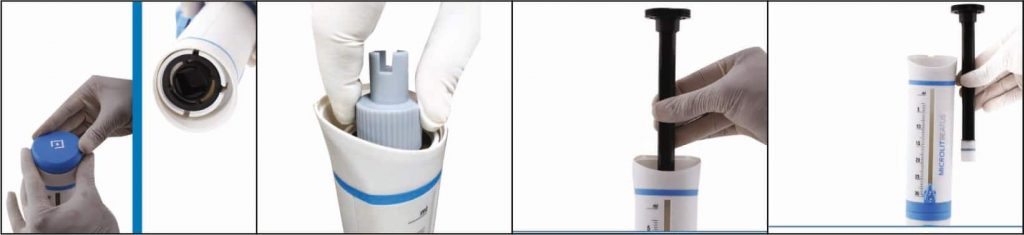
Microlit bottle top dispensers can also be sterilized in an autoclave at 121°C and 15 pressure for 15-20 minutes. Before autoclaving, the piston must be separated from the assembly. Then, the housing and piston can be sterilized independently. To disassemble the bottle top dispenser for autoclaving, follow the below steps:

  • Open the cap to expose the calibration nut.
  • Disassemble the piston and shaft from the main housing by unscrewing the calibration nut with the calibration tool.
  • Pull out the shaft after unscrewing it.
  • The piston shaft subassembly is seen here.
  • Autoclave the two subassemblies for 15-20 minutes at 121°C and 15 psi pressure.
  • While autoclaving, the volume adjustment knob should always be in the ‘Unlocked’ position.

Are Microlit Bottle Top Dispenser autoclavable

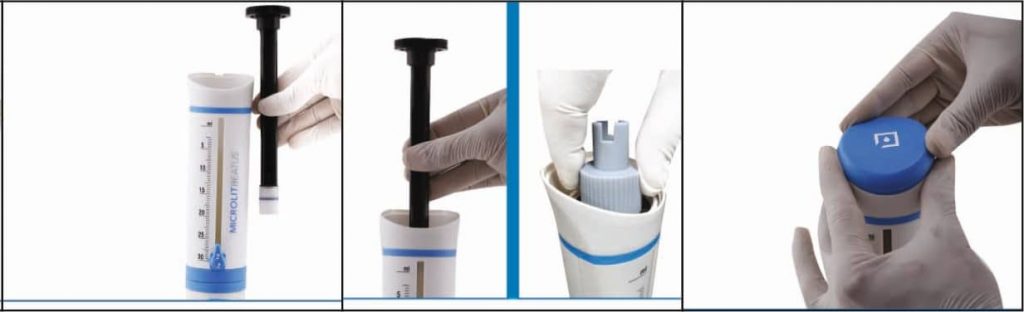
  • Cool the dispenser at room temperature for at least 2 hours after autoclaving.
  • Reassemble the instrument after inserting the piston entirely into the cylinder. Screw the piston using the calibration tool. To finish the assembly, attach the cap. Your Bottle Top dispenser will be ready to reuse.

Are Microlit Bottle Top Dispenser autoclavable

Please refer to the instruction manuals for complete autoclaving instructions for Micropipettes and Bottle top dispensers. With the use of Microlit’s liquid handling products, you may perform your experiments seamlessly without worrying about the risk of cross-contamination.

If you want to learn more about Micropipettes, Bottle Top Dispensers, or other of our autoclavable products, please contact us at info-usa@microlit.com.

Uses and Industrial Applications of Hydrofluoric Acid

Hydrofluoric acid, the aqueous form of hydrogen fluoride, is a colorless acid that is used widely across industries, such as refrigerants to herbicides to electrical components. Hydrofluoric acid’s extensive industrial applicability can be attributed to its high reactivity due to the presence of fluorine ions. Its natural reactivity also makes it extremely corrosive, which implies that it can be dangerous if it comes in direct contact with skin, lungs or eyes. In spite of this, hydrofluoric acid is considered a ‘weak’ acid as it doesn’t completely dissociate in water.

Applications of Hydrofluoric Acid

Hydrogen fluoride reacts with water to form hydrofluoric acid. The acid is used in the processing and extraction of metals, rocks, oil and bricks. In addition, it acts as an intermediate compound in various chemical reactions.

Hydrofluoric acid uses include eliminating rust, dissolving metals and etch glass. The acid is also added to automotive cleaners and water spot removers. When the acid is used in welding and manufacturing operations, it releases a potent odor into the environment, which can be quite irritating for the human body. Let’s look at some of the major applications of HF acid uses in detail:

  1. Glass and Metal Etching

For decades, hydrofluoric acid is being used in the glass and metal industry for the purpose of etching. Glass is made of silicon dioxide, which can be classified as an inert substance. Hydrofluoric acid molecules can disrupt the silicon-oxygen bond that leads to breakdown of the glass material. In addition, as it is a weak acid, it is able to dissolve metals (except nickel and its alloys like silver, gold and platinum). However, materials like Teflon, neoprene and natural rubber do not react with hydrofluoric acid.

  1. Petrochemical Industry

In addition to the glass and metal industry, hydrofluoric acid finds application in the petrochemical industry. In most applications, the chemical acts as a catalyst in the process of alkylation, which is used in the processing and refining of crude oil. Alkylation is able to enhance the yield in crude oil processing, as well as improve the quality of the extracted products. Therefore, It is a key component to boost the process efficiency and economy in this sector.

  1. Agricultural Industry

In agriculture, HF acid is extensively used in the production of fluorine-rich pesticides, insecticides and herbicides. It is useful in stimulating soil efficiency through rain and dew, however, it has little effect on the crop’s yield, fluorine uptake, as well as soil acidity.

  1. Producing Fluorocarbons

Hydrofluoric acid also finds application in the production of fluorocarbons (compounds made of carbon and fluorine). These compounds are mostly used in the manufacturing of aerosol sprays and refrigerants.

  1. Polymer Industry

Hydrofluoric acid is an indispensable chemical in the manufacturing of polymers comprising of fluorine. For instance, hydrofluoric acid acts as a source of fluorine in the development and manufacturing of various organofluorine polymers, such as Teflon, fluoropolymers and freon. In addition, it is used for preparing various high-volume inorganic fluoride substances, including cryolite and aluminum trifluoride.

Hydrofluoric Acid Safety Measures and Best Practices

As mentioned before, hydrofluoric acid can pose major risks to its users’ health if they are not trained to handle it properly. Let’s take a look at some guidelines for ensuring safety while working with hydrofluoric acid:

1) In case, the acid gets released into your surroundings, you need to ensure that you expose yourself to fresh air as soon as you can and leave the area of acid release. In case, the acid release occurred indoors, you should evacuate the building immediately. However, if the emergency coordinators are present on the site of release, they might instruct you to evacuate the building or shelter in a particular place. In that case, you should follow the instructions accordingly.

2) If you suspect that were exposed to the chemical, you must make sure to remove every item of clothing and wash yourself with water. Post that, ensure to seek medical attention as soon as possible.

Overview of Microlit Lentus

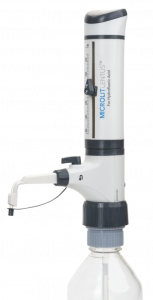
Bottle Top DispenserMicrolit LENTUS is a proprietary Bottle Top Dispenser, which is engineered cautiously with tested high-quality raw material and is suitable across applications using Hydrofluoric Acid. Microlit Lentus is a highly accurate and precise liquid handling instrument that can be used to dispense high-purity media, such as acids and bases, including hydrofluoric acid in a safe manner. The design was carefully created by our in-house team of product design engineers and is integrated with award-winning technologies, such as Springless Valve™ and Recirculation Valve™, that enable higher accuracy and seamless dispensing by preventing loss of reagent during purging.

In addition, it comes with two powerful product innovations and features, EasyKnob™ and FlexiNozzle™ that greatly enhance its ergonomics, ease of use, precision and flexibility. Not only the instrument is designed with intuitive handling in mind, our team is focused on ensuring excellent chemical compatibility and safety, with difficult-to-handle compounds, including Hydrofluoric Acid (HF) and other corrosive reagents.

To know more about the features of the Microlit LENTUS Bottle Top Dispenser, visit our website www.microlit.us.

What are the different types of Medical Lab Instruments?

Pharmaceutical and scientific research laboratories perform several chemical and biological tests on a daily basis. In order to generate accurate and precise results, the labs require a wide range of effective and sophisticated equipment. The complexity and range of equipment required by the lab varies with the applications or tests they need to perform. Today, hundreds of manufacturers of laboratory equipment exist in the market, that offers certified and robust lab instruments for a variety of scientific applications. Let’s look at some of the lab instruments you can expect to find in a typical pharma/research lab, as well as look at their applications.

What are medical laboratory instruments?

Medical laboratory instruments are specialized equipment and devices employed for analyzing biological materials such as blood, urine, and tissues. The main function of medical laboratory instruments is to ensure precision and accuracy in carrying out tests, experiments, and checks.

Such equipment includes, but is not limited to, basic items such as microscopes and pipettes, as well as advanced analytical instruments and centrifuges, which are all designed to perform specific functions, among them measuring, separating, viewing, and testing, for the purpose of medical diagnosis and research.

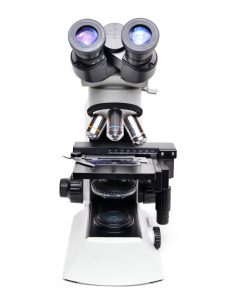
1) Microscope

Microscopes are one of the most common lab equipments in a scientific lab. They are used to view micro-sized objects or objects that are very small to be seen by the naked eye. By producing a bigger image of the small object, these instruments eMicroscopenable researchers to examine minute details very closely.

In a pharma setup, microscopes can be used to evaluate different types of cells or identify various microorganisms, such as bacteria, viruses and parasites.

Microscope

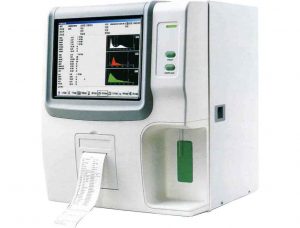
2) Hematology Analyzer

Hematology analyzers are used to accurately quantify blood cells. It is a highly sophisticated automatic computerized device that enables a technician to precisely count blood cells using the technique of flow cytometry, light scatter phenomenon, use of fluorescent dyes, as well as radiofrequency. The analyzer is very useful to diagnose and monitor blood cancers and bleeding disorders.

Haematology Analyzer

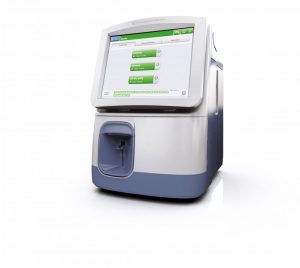
3) Blood Gas Analyzers

Blood gas analyzers use a person’s blood to measure the pH and partial pressure of oxygen, as well as carbon dioxide. It can also evaluate bicarbonate concentration in the blood. This test can be performed very quickly, and results are generally available within minutes after the test.

Blood Gas Analyzers

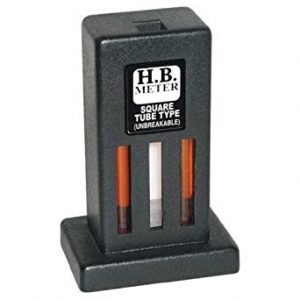
4) Haemoglobinometer

As the name suggests, a haemoglobinometer is used for estimating hemoglobin in the blood.  It uses spectrophotometry for calculating hemoglobin concentration. It is a portable device, therefore can be easily carried. The result is expressed in gram hemoglobin per 100 ml of the blood sample.

Haemoglobinometer

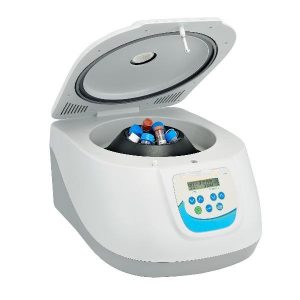
5) Centrifuges

Centrifuges are commonly found in medical equipment lab, thay are used to separate fluids based on their density. This is achieved by spinning the vessel having the sample at a high speed that makes the centrifugal force push the heavier substance to the outer periphery of the vessel.

Centrifuges

6) Autoclave

An autoclave is used to sterilize samples and lab instruments, such as plastic tubes, pipette tips, glassware and surgical instruments in a research laboratory. It uses temperature, pressure and steam for the decontamination of materials. The working principle of an autoclave is based on the downward displacement of air through gravity. Usually, an autoclave functions on standard settings- Pressure: 15 psi, Steam Temperature: 121°C for 15 minutes.

7) Cell Counter

Cell counters are used to calculate the number of cells, as well as assess the cell type in blood or urine samples. In addition, they can be used to evaluate the viability of a cultured cell line for cell therapy. A cell counter functions by loading the sample into the chamber, which moves through a small tube. As the sample moves through the tube, it counts the number of cells using optical or electrical impedance sensors.

8) Clinical Laboratory Incubator

Incubators are control chambers that can be used to manage temperature and humidity, as well as carbon dioxide levels of samples for specific tests. They are mostly used to promote the growth and development of cells and tissues. The major application of incubators is in the field of microbiology. Microbiological incubators can be used for:

  • Growth and reproduction of microbial colonies.
  • Storage and maintaining the culture of organisms for later use.
  • Assessing biochemical oxygen demand (BOD) of cells.

9) Liquid handling Instruments

In addition to all the above-mentioned medical and lab equipment, a medical lab requires different kinds of liquid handling instruments, such as micropipettes, bottle top dispensers and burettes to facilitate the accurate and precise transfer of liquid compounds.

Purchasing the Right Lab Equipment

The key parameters to keep in mind while making purchase decisions for your lab include the scope of applications, the anticipated workload and the regulatory requirements. Medical patient testing requires a lab to use FDA-approved equipment and kits.

Further, one should estimate the throughput and footprint of the equipment before investing in it. It is also imperative to follow the manufacturer’s instructions on calibration, storage, training and other guidelines.

Microlit Liquid Handling Instruments

Microlit is known for designing high-precision liquid handling instruments for the world’s highly prominent research and medical laboratories. We develop and manufacture bottle top dispensers, electronic burettes, micropipettes, miniature micropipettes and electronic pipette filling instruments as well as accessories, such as pipette stands and pipette tips. Our passion for innovation and precision has allowed us to build a trusted network of clients across 65 countries. Our aim is to serve the healthcare and life sciences industry on an international scale and emerge as one of the leading players in the domain of analytical research and medical lab equipment manufacturing.

FAQ’s

  • What are medical laboratory instruments?

Medical laboratory instruments are tools and devices used to analyze, measure, and process biological or chemical samples. They help detect diseases, monitor health conditions, and support research and diagnostic procedures in clinical and research laboratories.

  • Why are micropipettes important in medical laboratories?

Micropipettes are used to accurately measure and transfer small volumes of liquid. They are essential in experiments and diagnostic procedures where precision and repeatability are critical.

  • What is the function of an autoclave?

An autoclave is used to sterilize laboratory equipment and materials by using high-pressure steam. It eliminates bacteria, viruses, and other microorganisms, ensuring a safe and contamination-free laboratory environment.

  • What are the basic instruments found in every lab?

 Basic lab instruments usually include:

  • Microscopes
  • Centrifuges
  • Pipettes
  • Incubators
  • Autoclaves
  • Balances

These tools are essential for routine laboratory procedures.

  • What is the function of a microscope in a medical lab?

A microscope is used to magnify small samples such as cells, bacteria, or tissues. It helps technicians examine structures that are not visible to the naked eye.

How does the viscosity of the liquid affect pipetting accuracy?

Viscosity is defined by the flow resistance of a layer of fluid relative to its adjacent layer. In plain words, viscosity is the opposite of a liquid’s property of fluidity. It can be categorized into dynamic and kinematic viscosity and is computed in millipascals per second.

Viscous liquids are very common in research labs and are either used as buffer compounds or in their pure forms. Commonly found viscous liquids in laboratories include glycerol, DMSO, Tween® 20 and Triton X-100. These liquids are mostly used in food, pharmaceuticals, cosmetics and other consumer product industries.

When the viscosity of liquid increases, the complexity of pipetting becomes manifold. As there is higher friction in molecules, the ability to flow or move is very limited, which makes the pipetting process very challenging. For instance, a viscous liquid like glycerol flows in and out of the pipette tip very slowly. In addition, while dispensing viscous liquids, a film is formed inside the walls of the pipette tip that moves more gradually than rest of the liquid. If the pipette tip is withdrawn fast from the vessel, air bubbles are also drawn into the tip, which reduces the overall volume of the liquid dispensed.

One can achieve better results by decreasing the speed of pipetting. If you aspirate the liquid slowly, it allows it to rise to an equilibrium level, and if you dispense slowly, it decreases the impact of the inner film formed inside the pipette tip. Further, researchers use the reverse pipetting technique to reduce the impact of liquid retention. Another helpful tip is to use wide-orifice tips, which enable the liquid to move more freely and easily through the tip orifice.

In order to enhance the pipetting accuracy for highly viscous fluids, you can consider the following suggestions:

  • Reverse Pipetting: As it is difficult to completely dispense the viscous liquid from the pipette tip, reverse pipetting is an effective approach. You should aspirate more amount of the required sample, dispense the desired volume and discard the remaining liquid.
  • Use Low Retention Tips: Using low retention tips can be helpful in pipetting viscous liquids as they reduce the adherence of liquids to the wall of the pipette tip, thereby, maintaining the same dispensed liquid volume.
  • Employ Steady Motion: While pipetting viscous liquids, you should consciously make an effort to use steady motions between aspirating and dispensing. This will help in preventing any damage to the pipette, and reduce any extra liquid getting stuck on the pipette tip or loosening of the pipette tip.
  • Immerse the Tip for Longer Duration: Another helpful tip is to wait for 2-3 seconds after aspiration, as well as dispensing.
  • Adjust the Speed: Use less speed than usual to dispense high-viscosity liquids.

How to Perform Reverse Pipetting?

  • Use an adjustable volume pipette and set it to the required volume setting.
  • Load the tip on the pipette and hold it vertically on the vessel.
  • Press the plunger completely (go past the second stop).
  • Immerse the pipette tip in the liquid completely.
  •  Release the plunger slowly while keeping the pipette tip inside the liquid vessel.
  • Take out the pipette slowly.
  • Now, dispense into the other vessel by gradually pressing till the first stop (do not press beyond the first stop).
  •  Take the tip and the pipette slowly from the container.
  • If you see any liquid volume inside the tip, blow this residual volume out into a different vessel and dispose-off the pipette tip.

In certain scenarios, reverse pipetting is not enough for enabling the transfer of viscous liquids. In these cases, researchers use positive displacement pipettes. For positive displacement pipettes, the liquid sample cannot come in direct contact with the pipette. Instead, fluids are aspirated and dispensed through a piston via a capillary. Therefore, there is no formation of air cushion, which indirectly nullifies the effect of liquid viscosity on the volume being dispensed.

How Microlit products can help with pipetting of viscous liquids?

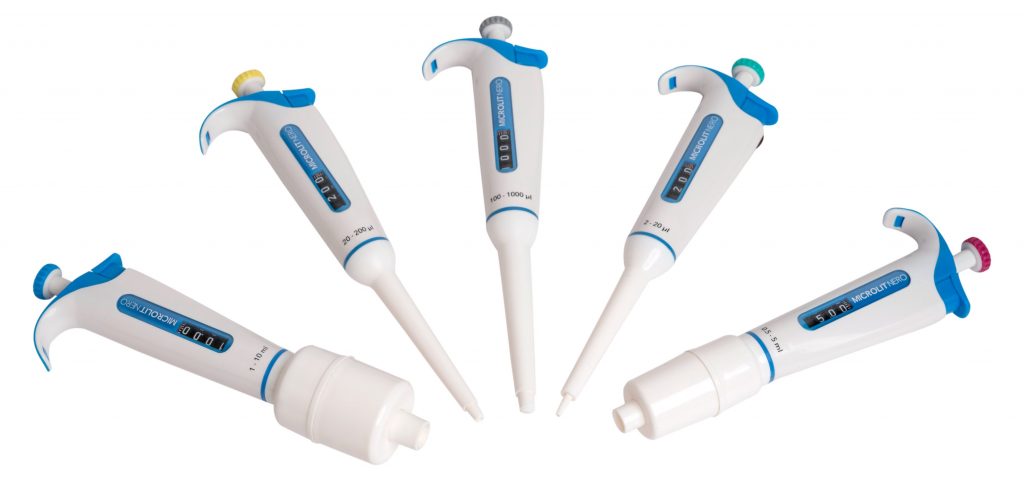
Microlit NERO micropipettes are able to optimize sample preparation for processes, such as HPLC, pharmaceutical formulation, qPCR/PCR and other biochemical procedures. They are designed with μAir™ technology, a unique feature that helps in reducing extra spaces and dead air space between the piston and tip cone. This results in reduced air compression that allows the user to get highly precise readings while handling viscous solutions.

Microlit Micropipette NERO Ranges

In addition, Microlit’s pipette tips – ProTip give you an alternative to choose from a range of low-retention tips that can work exceptionally well with viscous fluids. Our pipette tips are manufacturer recommended and are compatible with Microlit RBO and Microlit NERO micropipettes. As they are much more hydrophobic than standard tips, they enable Clean Release, which allows highly viscous fluids to be aspirated and dispensed completely, thus minimizing errors and providing accurate results.