• Multiple Offers
    Multiple Offers
  • Support
    Real-Time Support
  • Free Replacement
    1-Year Free Replacement Warranty
  • (732) 321-0852

Top 10 Countries for Life Sciences Research

In the past few decades, life sciences research has expanded at an exponential pace. Majority of large organizations in this domain are based out of countries like USA, China, Germany, UK including others.

Between 2018 and 2019, some countries, such as the US, Japan, Canada and France have witnessed a decrease in life sciences output as tracked by the journal Nature based on high-quality publications. On the other hand, China saw an increase of 15.4% during this period.

Here is a list of top 10 countries based on the share of high-quality publications in the space of life sciences research.

  • United States of America (USA)

Count of Publications: 28,403

Change in Share 2018-19: -4.2%

Although the share of US has been falling since 2017, its dominance in the field of life sciences research is unparalleled. Out of all the high-quality papers published in the US last year, nearly 50% are related to life sciences.

US’s incredible presence in this domain can be attributed to its high-performing academic research centers, such as Stanford University, Harvard University, MIT and the US National Institutes of Health. These institutions are among the top 10 global life sciences research centers.

  • China

Count of Publications: 18,026

Change in Share 2018-19: +15.4%

China has climbed its way up the life sciences ladder steadily, and its dominance in the field is very well-known. It’s not less than extraordinary that it’s share in the life sciences space has witnessed a growth of about 15.4% in just a year. This is the highest growth rate any country in the top 10 list has exhibited so far.  

The most prominent institutions include the Chinese Academy of Sciences, which is also one of the top 10 institutions in life sciences globally. Other important research centers include Peking University, Zheijiang University and Tsinghua University, which are among the top 100 healthcare institutes for 2019.

  • Germany

Count of Publications: 8,770

Change in Share 2018-19: -4.1%

Despite a reduced share as compared to last year, Germany is going strong in the life sciences field owing to its highly coveted institution, the Max Planck Society, which ranks among the top 10 life sciences institutions of the world.

The country is home to over 1,000 publicly funded research centers and close to 400 higher-education institutions. Germany is also well-known for its low cost of living and high R&D spending, which makes it an attractive destination for researchers around the globe.

  • United Kingdom

Count of Publications: 7,837

Change in Share 2018-19: -2.7%

Brexit has slightly disrupted the research milieu in the UK. In 2018, the UK held second position in this list, but it has fallen behind China and Germany this year. However, it still continues to contribute heavily towards life sciences research.

The nation’s top research institutions include the University of Oxford, Imperial College London and the University of Cambridge. Among these, Cambridge ranks among the top 10 life sciences institutions globally.

  • Japan

Count of Publications: 4,905

Change in Share 2018-19: -5.1%

Since last four years, Japan has retained its standing among the globe’s leading countries in the field of life sciences research. It is the fifth biggest publisher of high-quality research articles on life sciences.

It’s world-renowned institutes including Kyoto University, University of Tokyo and Osaka University are among the leading contributors towards life sciences research.

  • France

Count of Publications: 5,054

Change in Share 2018-19: -1.6%

In 2018, France’s life sciences research output reduced by 7%, however, it managed to maintain its position as the world’s sixth largest publisher in the field of life sciences research.

France hosts various high-performing research institutes, such as the French National Centre for Scientific Research (CNRS), which is one of the world’s top 20 institutions in life sciences.

In addition, France is the headquarters for the pharmaceutical giant, Sanofi, which is among the top 20 pharmaceutical institutions in the world.

  • Canada

Count of Publications: 3,408

Change in Share 2018-19: -4.4%

Out of Canada’s high-quality research published in this year, nearly half is attributed to life sciences, making it the world’s seventh largest contributor in the field.

The nation’s high ranking can also be credited to its top three universities, including the McGill University, the University of Toronto, and the University of British Columbia.

Seven of Canadian institutions rank among the Nature Index global top 200 biomedical sciences institutions of the world.

  • Switzerland

Count of Publications: 3,270

Change in Share 2018-19: +1.2%

Despite the country’s less population (about 8.4 million people), Switzerland is one of the leading nations when it comes to life sciences research.

The country’s top institutions in this field include the University of Zurich, the Swiss Federal Institute of Technology Zurich and the University of Lausanne.

Switzerland is also the official headquarters for Roche and Novartis, the two giants of the pharmaceutical world, corroborating its strength in the field of biomedical sciences.

  • South Korea

Count of Publications: 2,419

Change in Share 2018-19: +2.8%

South Korea has emerged as one of the most innovative countries, as per the Global Innovation Index. It is reported to spend around 4% of its GDP on R&D.

It is one of the leading nations in the field of chemistry and physical sciences, which constitute over 95% of its publications share.

  • Australia

Count of Publications: 2,986

Change in Share 2018-19: -2.8%

 Australia holds the tenth position in terms of the biggest contributors in the field of life sciences research.

Some prominent research centers include Melbourne’s Monash University, which is the top performing Australian center with the highest journals published in the field of life sciences. Other important centers of research include the University of Queensland in Brisbane and the University of New South Wales in Sydney.

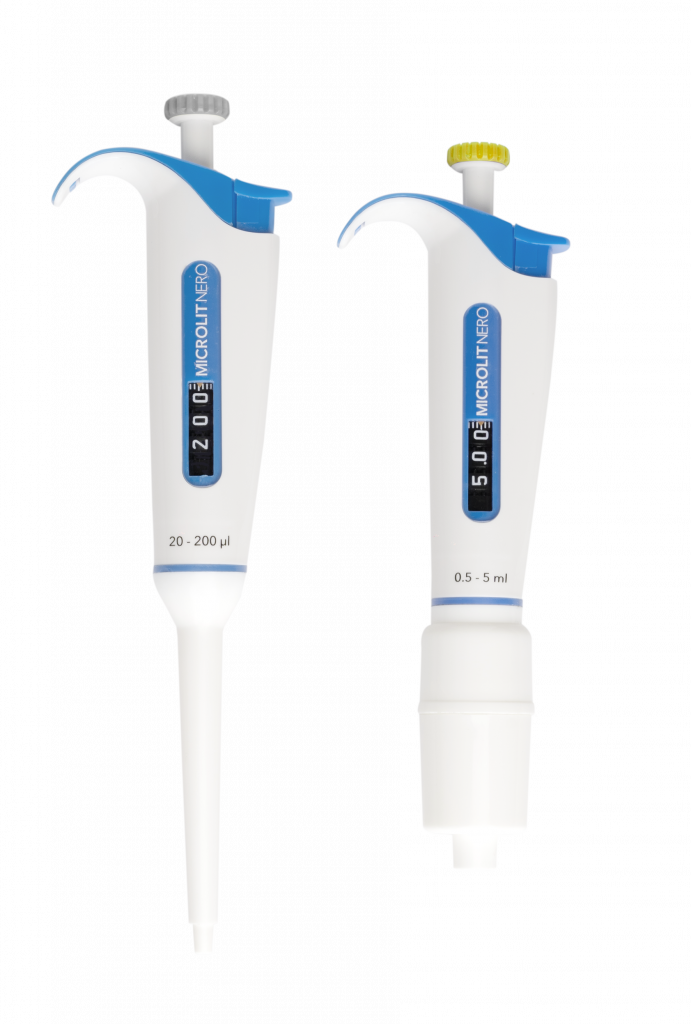
What are the key features of Microlit NERO?

nero

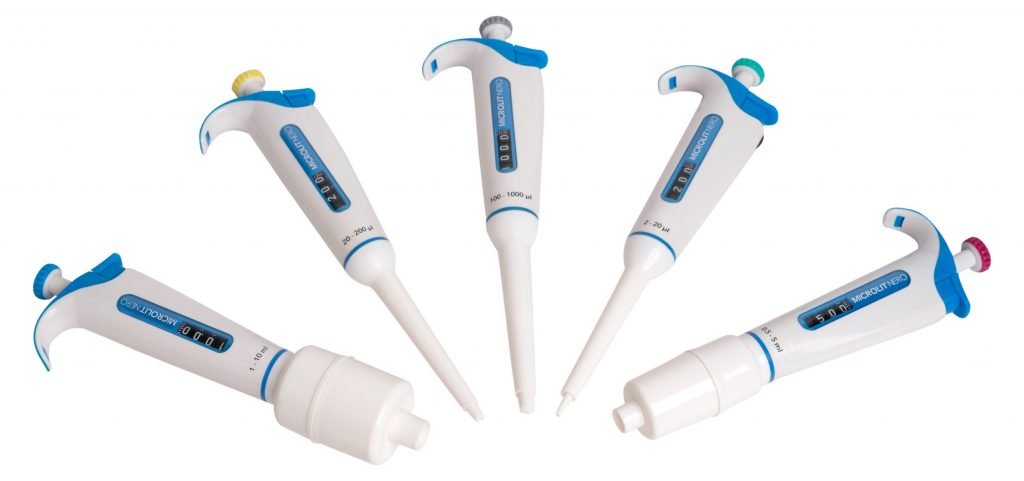
Micropipettes are generally used in laboratories to transfer small amounts of liquid, typically less than 0.1mL. Microlit is excited to announce the launch of Microlit NERO, a range of intuitive micropipettes with state-of-the-art technology such as UniCal and Air™ that will ensure great precision and convenience for our lab users.

These innovative and patented technologies have been developed by our in-house product design engineers. Microlit NERO comes in Single Channel Fixed Volume, Variable Volume and Multichannel variants used in pathology, microbiology, and diagnostic testing labs where precise small volume pipetting is critical. Furthermore, they will be extensively relevant for industries such as pharmaceuticals, food and beverage, research institutes, fast-moving consumer goods (FMCG), cement, chemicals, natural resources, and agriculture as well.

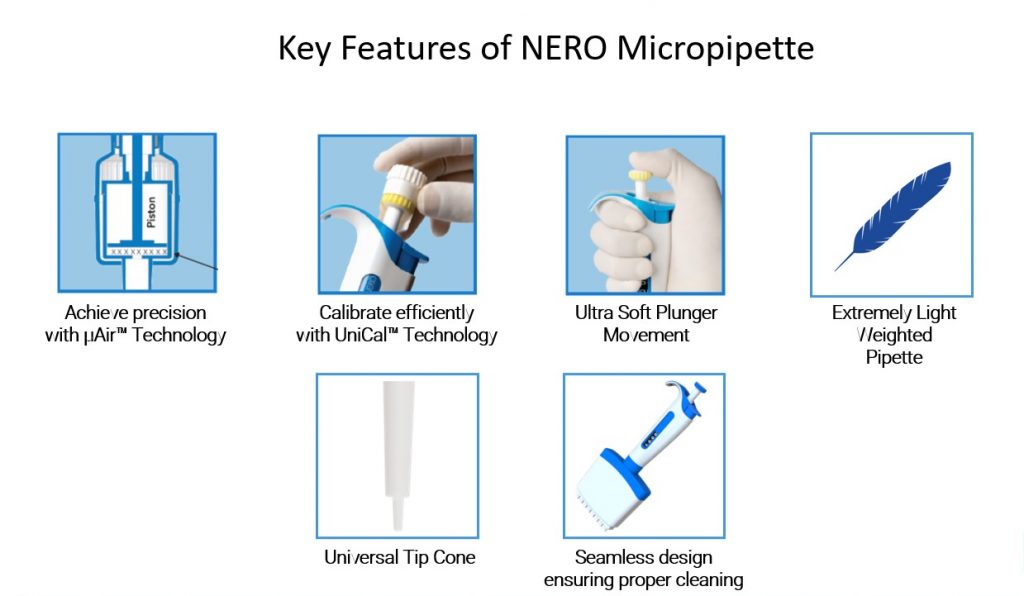
Key features of Microlit NERO

Microlit NERO offers two exclusive features that make it stand out from other micropipettes in the liquid handling product market:

  • UniCal™ Technology: For one-shot Calibration

The most significant innovation in Microlit NERO is its patented calibration mechanism (Patent No. 405607), UniCal™ technology. This in-house developed unique calibration mechanism enables for rapid in-lab calibration in a single operation without disengaging the digits from the plunger mechanism. 

With the adoption of UniCal technology, re-calibration of micropipettes will become a simple and user-friendly procedure that will not require significant time and cost investment. It will remove the inconvenience of the standard hit-and-trial calibration procedures and disassembly processes, as well as eliminate the cost of sending the instruments to 3rd party facilities, even for minor corrections. It enables the lab technician to re-calibrate the pipette without removing any components, disengaging the plunger digits, or aligning calibration markers on the micropipette to the volume adjustment chart in the user manuals.

Every set of Microlit NERO is calibrated in an ISO 17025 approved laboratory according to ISO 8655 standards and comes with a Calibration Certificate.

  • μAir™ (Micro-air) Technology: For Accuracy and Precision

Screenshot 2

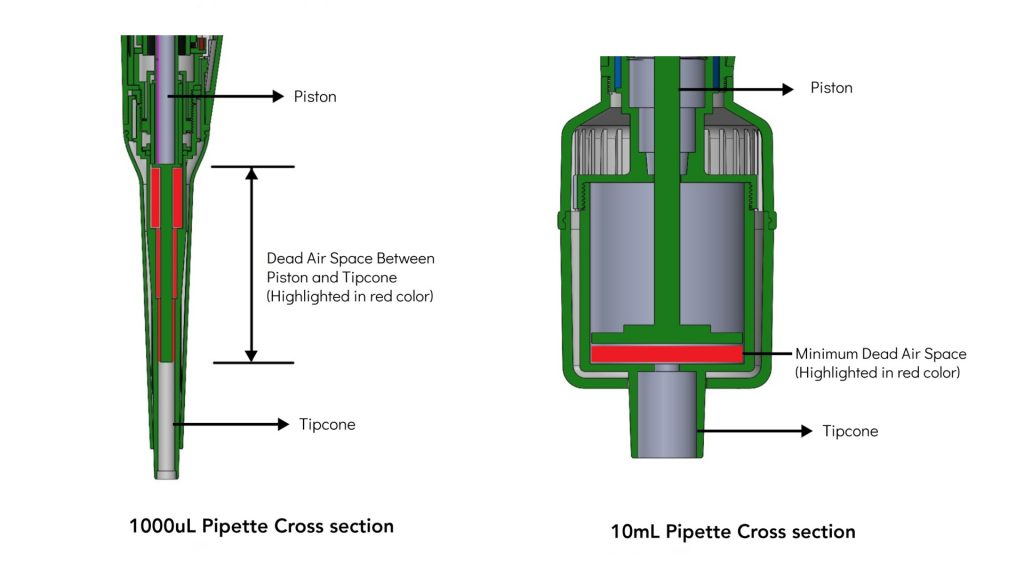
Another salient feature of the Microlit NERO is its “μAir technology”, which helps to minimize extra dead air space between the tip cone and the piston. Similar to the UniCal technology, this technology was developed by in-house engineers. It was designed with the intention of reducing air compression and enhancing user precision in real-world laboratory environments.

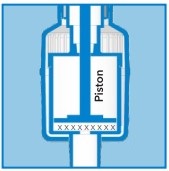
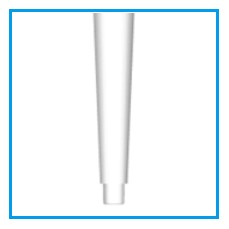
A significant amount of dead air space exists between the piston and tip cone of standard micropipettes. This dead air space between the piston and tip cone can be minimized by precisely adjusting the length of the tipcone to what is required for piston movement at maximum volume setting. Moreover, the internal diameter of the tipcone may be reduced to align well with the piston and leave more room for dead air between the tipcone walls. Microlt’s NERO micropipettes have significantly increased the precision by eliminating an extra dead air space during product design.

Other Unique Features of Microlit NERO:

  • Lightweight and Ultrasoft Micropipette

Microlit NERO has been ergonomically designed keeping in mind the customers’ ease and requirements. In response to their requests, this micropipette has been made lightweight and features an ultrasoft plunger, removing the risk of routine illnesses like carpal tunnel syndrome could be caused by repeatedly using micropipettes.

Microlit NERO gives the industry’s lightest pipetting experience, with 6.5N force for the first step and 14N force for the second step (blowout), making it the most ergonomic pipette available for your laboratory needs.

We compared the plunger forces of various pipettes on the market to our brand new NERO micropipettes and the old RBO pipettes. We discovered that the Microlit NERO has the lowest plunger force on the market, making it the most ergonomic pipette for your laboratory needs.

For Single-Channel Micropipette:

NRO RBO Brand 1 (China) NRO RBO Brand 1 (Germany) Brand 2 (Germany) Brand 3 (USA) 
Volume (μL) 200 200 200 1000 1000 1000 1000 1000
Weight (gm) 67 73 78 71 73 93 83 83
Plunger Force at 1st Step (N) 0.3 0.9 0.8 0.55 0.9 0.55 0.75 0.37
Plunger Force at 2nd Step (N) 1.5 1.8 1.9 1.5 1.8 1.8 2.3 1.28

For Multi-Channel Micropipette:

NRO RBO Brand 1
(USA)
Brand 2
(USA)
NRO RBO Brand 1
(USA)
Channel 8 8 8 8 12 12 12
Volume (μL) 20-200 20-200 20-200 10-100 20-200 0.5-10 1-10
Weight (gm) 125 159 162 158 146 159 176
Plunger Force at 1st
Step (N)
0.61 1.3 0.6 0.9 0.7 1.1 0.9
Plunger Force at
2nd Step (N)
1.8 2.5 1.6 2.6 1.8 2.2 2.8


  • Color Coding for Easy Identification

Every set of Micropipette NERO comes with a unique color coding added on the top of the Plunger. These color-coding for distinct volume ranges allows lab technicians to easily identify them during daily laboratory routines.

  • Universal Tipcone for Various Tips use

The tipcone ensures proper fit for the tips. It is best to use a micropipette with a universal tip cone since it makes the device more compatible with most standard tips. The Microlit NERO tip-cone is made to work with the majority of internationally accepted tips, so you may buy any brand of tip without worrying about compatibility issues.

  • Smooth Tip Ejector for easy Tip Ejection

image 3

The Microlit NERO is equipped with a smooth tip ejection technology that enables the safe, effortless, and quick

 ejection of tips.The tips can be easily removed from the micropipette by pressing the tip ejector button with optimal force making all your lab processes very comfortable.

With the above features, Every piece of Microlit NERO is fully autoclavable at 121°C, 15 pressure for 15-20 minutes, which means that these micropipettes can be autoclaved without the need to disassemble any parts or components. This makes autoclaving in the lab more convenient and secure from any kind of cross-contamination.

If you need a micropipette that can ensure accuracy and precision while providing utmost comfort during pipetting, the Microlit NERO will fulfill all of your lab pipetting requirements. To know more about the features and functionality of Microlit NERO, please contact us at info-usa@microlit.com or visit our website Microlit NERO.

What is the µAir Technology in Air displacement pipettes?

If you’ve spent time working in the lab, there is a good chance that you have used an air displacement pipette. An air displacement pipette is without doubt one of the most essential instruments in any diagnostic, research, pharmaceutical, biotechnology or biochemistry lab. In this blog post, you will learn about the driving principle behind air displacement pipettes, the difference from positive displacement pipettes and the need for uAir technology to achieve highest precision with air displacement pipettes. 

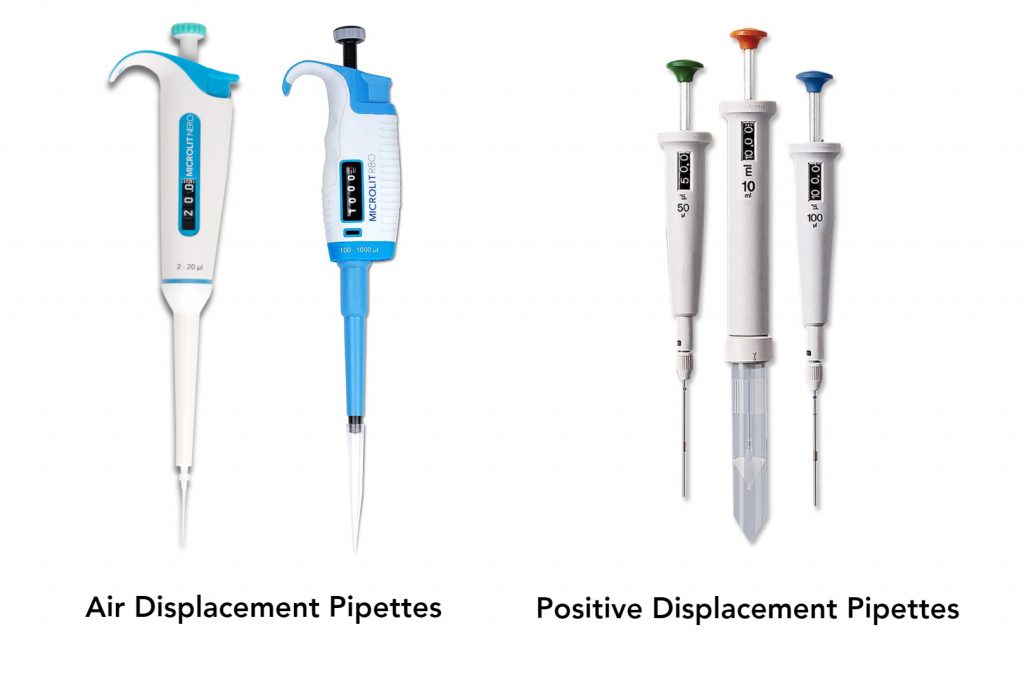
What is an Air Displacement pipette?

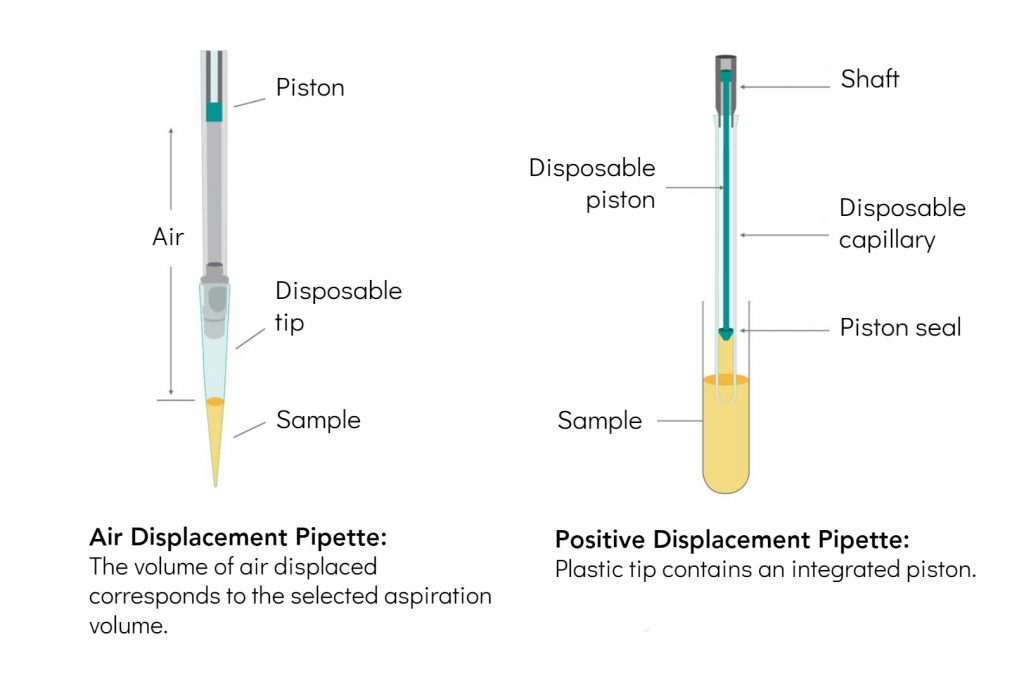
The air displacement pipettes or piston-driven pipettes have a dead volume or air cushion which distinguishes the liquid aspirated in the tip and the piston. A vacuum is maintained in the dead air volume between the piston and the liquid. When the plunger is depressed for dispensing, that dead air is compressed by the piston and the compressed air forces the liquid out of the tip. 

How do Air Displacement Pipette differ from Positive Displacement Pipettes?

The operating principle for both types of pipettes is similar. However, in a positive displacement pipette, there is no air cushion between the piston and the aspirated liquid, and the liquid comes into direct contact with the piston’s surface. So, when the plunger is depressed for dispensing, the piston itself forces the liquid out of the tip

Air displacement Pipette and Positive Displacement pipette 1

The next section describes the key differences between positive displacement and air displacement pipettes, as well as the fundamental operating concepts between the two.

  • Key Differences between Air Displacement Pipettes and Positive Displacement Pipettes:
S. No Air Displacement Positive Displacement
1 An air cushion is present between the piston and the liquid in the tip, the piston is not in direct contact with the liquid. The piston is in direct contact with the liquid with no air space between the piston and the liquid.
2 Liquid aspirated gets affected by the physical properties of the sample due to the dead air space created. Liquid aspirated is not affected by the physical properties of the sample due to the absence of any air cushion to expand or contract. 
3 The piston moves in a cylinder. The piston moves in a capillary.
4 Suitable for aqueous solutions or general lab works. Suitable for volatile, corrosive, viscous, or dense liquids.
5 Piston is integrated with the lower part of the pipette. The piston is not integrated inside the pipette but is held within specialized disposable tips/capillary piston (CP) tips. 
6 Air displacement pipettes aspirate the liquid by depressing the plunger till the first step and dispensing the liquid using a blow-out, expelling the last drop of the liquid from the tip. Positive displacement pipettes have their piston inside the tip which helps to aspirate the liquid and does not have a blowout step.
7 Contamination of the liquid is possible. Cross-contamination of the liquid is not possible as the piston is in contact with the liquid.
8 Easy to replace tips and cost-effective. Tips are costly and replacing tips can be time-consuming.
9 Highly accurate. More precise. 

Air Displacement Vs Positive Displacement

So, the major difference between air displacement pipettes and positive displacement pipettes is that the latter lacks an air interface between the piston and the aspirated liquid. Without an air cushion, measurement accuracy is greatly improved, and even highly viscous, extremely volatile, or hazardous liquid samples can be pipetted with ease. The reason for relative imprecision in air displacement pipettes is that the air compression is not able to transfer the entire force of the piston onto the liquid. There are two areas where dead air is present in an air displacement pipette.

  • Between the piston and tip cone

A significant amount of dead air space is present between the piston and tip cone of standard micropipettes. This dead air space may be minimized between the piston and tip cone by optimizing the length of the tipcone exactly to what is required for the movement of the piston at maximum volume setting. Furthermore, the internal diameter of the tipcone may be reduced to align well with the piston and not leave much room for dead air in between the tipcone walls. Microlt’s new range of NERO micropipettes have successfully improved precision of micropipettes by eliminating an extra dead air space employing this methodology during product design.

  • Between Piston and Liquid

There is additional dead air space in the tip. This can be minimized by the user by using the lowest volume pipette that is suitable for their application. For instance, if you are pipetting 1µL of the sample, use a 2-5 µL pipette rather than a 20µL one. As volumetric errors are more prominent at low sample volumes, it is important to select a pipette that delivers sample quantities that align with the study protocol. Be sure to choose the smallest possible pipette for handling the sample volume.

Advantages of minimized dead air space:

Here are the few advantages of minimizing the dead air space in a pipette:

  1. More precise and accurate
  2. Easy dispensing, especially in lower volume pipettes
  3. Less liquid retention inside the tip, thereby reducing the dependency on low retention tips, which are costly. 

How have we reduced dead air space in Microlit NERO?

Microlit NERO works on the µAir Technology which is based on minimizing the air space between the piston and the tip cone (image 01 and image 02) in both smaller and larger volume pipettes by optimizing the length, ID and design of the tipcones.

Cross section of 1000ul pipette and 10ml pipette 1

Furthermore, with lower volume pipettes, we have introduced a sleeve (made up of polypropylene) in the tip cone. This sleeve reduces the internal diameter of the tip cone, thereby, compressing more air space between the piston and the tip cone.

To know more about the features and functionality of Microlit NERO, please contact us at info-usa@microlit.com or visit our website Microlit NERO.

What is the Plunger Force in micropipette? What is the softest Plunger force in the market?

Micropipettes are widely used across microbiology, chemistry, medical and soil testing laboratories for the precise transfer of different liquid samples. They offer a quick way to meet workflow needs, from preparing the initial liquid sample to placing it in a system for subsequent analysis. Poor ergonomics as a function of the design of the micropipette can cause RSI (Repetitive Strain Injury) and carpal tunnel syndrome. RSI is common amongst people involved in jobs where they are exposed to cumulative trauma such as manual liquid handling in the laboratory. To learn how to avoid RSI, please refer to our blog post. On the other hand, carpal tunnel syndrome is caused by pressure on the median nerve. The carpal tunnel is a tiny passageway on the palm side of the hand bordered by bones and ligaments. When the median nerve is crushed, Numbness, tingling, and weakness in the hand and arm can occur. 

To avoid these conditions, one must choose a pipette that is lightweight and has good ergonomics. A crucial factor of good ergonomics is the amount of force necessary to perform the pipetting operations – aspiration, dispensing and tip ejection. The thumb primarily applies these forces on the pipette components. To relieve stress on the thumb and the hand, pipette manufacturers have generally attempted to minimize these pipetting forces.

What is the Plunger force in the Micropipettes?

Plunger Force is the amount of force required to be applied by the thumb to aspirate and dispense liquid samples with a manual pipette. This force may differ depending on the pipette design, construction and the technique used when pipetting the samples.

Plunger Force in the Micropipettes

Typically, the force necessary to move the plunger to the first stop is between 3 and 15 N and the force required to move the plunger to the second stop can be as high as 40 N.

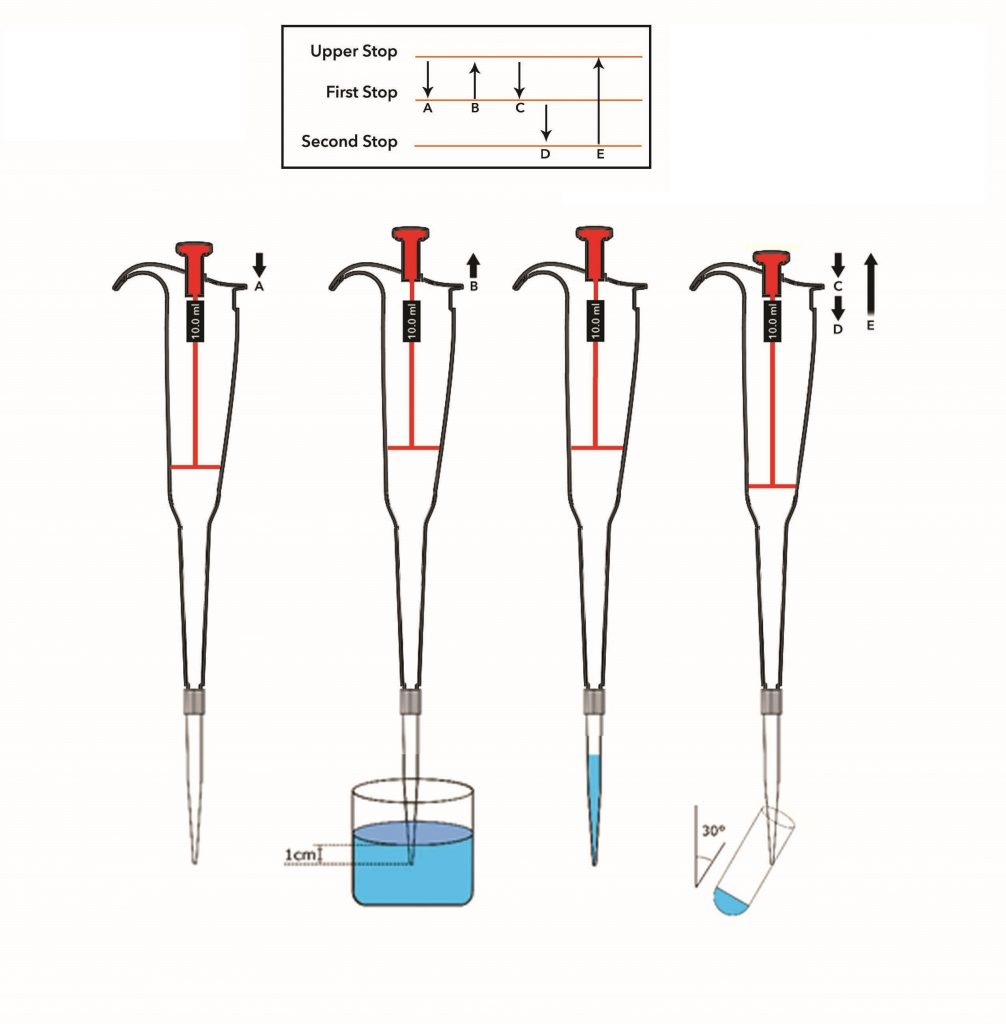
What are the First Stage and Second Stage Plunger Forces?

The first stage plunger force is the amount of force required to press the plunger to the first stop of the pipette. The first stop, which requires less effort from the plunger than the second stage, is also referred to as the soft stop. The first stage plunger force is required to aspirate the liquid in the tip. To draw up the liquid precisely, you must maintain downward pressure on the plunger and immerse the pipette tip in the liquid.

After arriving at the first stop, the force required to dispense the liquid sample is known as the Second Stage Plunger force. The Hard stop is another name for the second stop that occurs when the plunger approaches the plunger’s endpoint. When dispensing to the first stop, a small amount of the sample may stay in the micropipette tip due to liquid surface tension. The second stage is required to force out the remainder of the sample.

What factors affect the plunger Force?

The plunger force in a pipette may be affected by various product design factors:

  1. Piston Spring: The number of coils, wire diameter and the length of the piston spring should be optimized to provide suitable plunger force while not compromising the durability of the pipette
  2. Engagement between the piston and the O-Ring must be optimal to reduce frictional force between them without introducing the possibility of creating leakage in the instrument. 

We compared the plunger forces of different pipettes available in the market with our brand new NERO micropipettes and the old range of RBO pipettes. We found that Microlit NERO has the lowest plunger force in the market, making it the most ergonomic pipette available for your laboratory needs.

For Single-Channel Micropipette:

NRO RBO Brand 1 (China) NRO RBO Brand 1 (Germany) Brand 2 (Germany) Brand 3 (USA) 
Volume (μL) 200 200 200 1000 1000 1000 1000 1000
Weight (gm) 67 73 78 71 73 93 83 83
Plunger Force at 1st Step (N) 0.3 0.9 0.8 0.55 0.9 0.55 0.75 0.37
Plunger Force at 2nd Step (N) 1.5 1.8 1.9 1.5 1.8 1.8 2.3 1.28


For Multi-Channel Micropipette:

NRO RBO Brand 1
(USA)
Brand 2
(USA)
NRO RBO Brand 1
(USA)
Channel 8 8 8 8 12 12 12
Volume (μL) 20-200 20-200 20-200 10-100 20-200 0.5-10 1-10
Weight (gm) 125 159 162 158 146 159 176
Plunger Force at 1st
Step (N)
0.61 1.3 0.6 0.9 0.7 1.1 0.9
Plunger Force at
2nd Step (N)
1.8 2.5 1.6 2.6 1.8 2.2 2.8


Microlit has achieved the lowest plunger force by optimizing the plunger spring, optimizing the engagement between the O-ring and metal piston and carefully selecting piston, spring and O-Ring materials. Moreover, we employ thorough durability testing using proprietary test machines to ensure that the selection of components and materials contribute to the longevity of our instrument, while enhancing the ergonomics.

Microlit’s NERO micropipettes

Some other key features offered in Microlit’s NERO micropipettes:

  1. Minimum dead air space between the piston and the liquid in the tip – This lowers air compression and allows the user to obtain precision in real-world lab settings.
  2. Unique calibration mechanism/tool which allows quick in-lab calibration in a single operation WITHOUT disengaging the digits from the plunger mechanism.
  3. In-built tip ejector is designed to eject tips with optimal force.
  4. Tip-cone designed to be compatible with the majority of internationally recognised tips, increasing the instrument’s industrial interoperability.
  5. A distinct click at each volume change ensures that the volume is perfectly set and avoids accidental volume changes.

To know more about the Microlit NERO, drop a mail to info-usa@microlit.com or visit NERO Product page.

Why is Autoclaving important for most lab instruments?

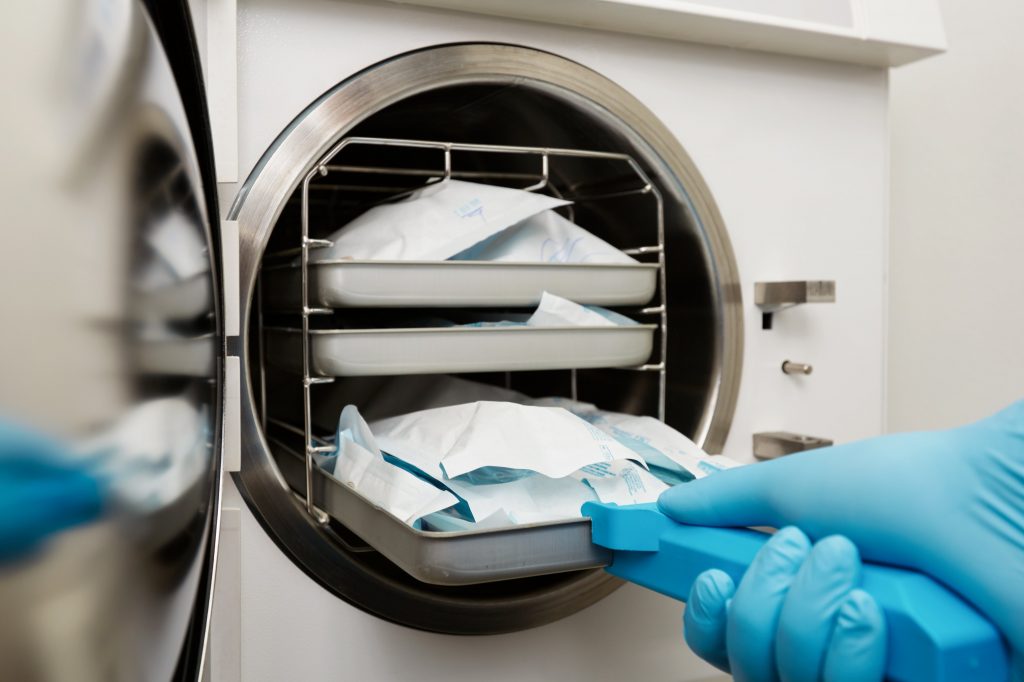
In any laboratory, sterilization is a non-negotiable safety measure—and autoclaving remains the gold standard for achieving it. Autoclaving is the process of using high-pressure, saturated steam to eliminate bacteria, viruses, fungi, spores, and other harmful microorganisms from equipment and materials.

By maintaining temperatures of around 121°C at 15 psi, autoclaves kill even the most resistant pathogens. This is why the purpose of an autoclave in a laboratory goes beyond cleanliness—it safeguards experiment accuracy, prevents contamination, and ensures the safety of lab personnel.

Autoclaving scaled

This instrument is used to sterilize different types of labware, media and biological waste. Specifically, hospitals and nursing homes are highly dependent on autoclaves as they have to sterilize critical products and instruments continuously on a daily basis. In such environments, autoclaves are the only way to make sure that individuals interacting with such equipment are safe and not exposed to health hazards.

Although autoclave has application across a wide range of materials, there are certain materials which cannot and should not be autoclaved. Let’s discuss this in detail in the next section.

How the Autoclaving Process Works in a Laboratory

The Role of Steam and Pressure in Sterilization

An autoclave combines moist heat (steam) with high pressure to denature proteins and destroy microorganisms. The combination of heat and pressure ensures the steam penetrates deep into materials, reaching all surfaces for thorough sterilization.

Common Uses of Autoclaves in Labs & Healthcare

  • Decontaminating labware and glassware before experiments

  • Sterilizing surgical instruments in hospitals and clinics

  • Neutralizing biological waste before disposal

  • Preparing culture media for microbiology

  • Disinfecting personal protective equipment (PPE) for reuse where safe

Materials Suitable For Autoclaving Process

When autoclaving lab or medical equipment, it is vital that you make sure that the equipment is compatible with high temperature and pressure conditions that occur inside the autoclave chamber. One should never load materials that have been in contact with certain types of solvents or volatile / corrosive substances inside the autoclave. In addition, radioactive materials and  items containing carcinogens or mutagens can not be autoclaved.

If you put an unacceptable substance / object in the autoclave, it can cause heavy damage and incur thousands of dollars worth repair cost. In addition, it can slow down the overall process and in some scenarios, it can also lead to serious health hazards. Below is a list of items that are compatible with an autoclave: 

1) Glass: The only kind of glass that should be autoclaved is Pyrex. You will notice that the manufacturer of the glass product mentions if the type of glass can be placed in an autoclave or not on the packaging. However, in certain cases, even Pyrex can be unsuitable for an autoclave process. This happens if it holds a particular volume of liquid and is closed tightly. As a rule of thumb, one must not autoclave liquids inside a closed container.

2) Polypropylene: Polypropylene is a kind of inexpensive resin which is capable of tolerating high autoclaving temperatures. Such containers are usually available in a variety of forms and sizes, such as bags, pans and trays.

The bags need to be open in order for the steam to penetrate inside. In addition, it is advised that you pour some water inside the bag prior to autoclaving so as to increase the efficiency of the heat transfer process.

3) Paper: One can only place paper in an autoclave process as a waste item inside a transparent or red bio-hazardous autoclave waste bag. However, you need to ensure that you are not operating the machine in the ‘dry setting’. Always use the ‘wet setting’ in order to prevent the risk of fires.

4) Latex or Vinyl: Latex made products can melt away in an autoclave chamber, and pose a possibility of combustion. But if you place it inside an autoclavable biohazard bag as waste and turn on the steam setting, they will not melt completely, and thus not catch fire.

5) Metals: Majority of the metals present in laboratories are designed to tolerate extreme temperature and pressure conditions. Although most of the metal objects can be autoclaved, you need to ensure that you extract liners and plastics from the metal, which are prone to combustion. 

6) Plastic Pipette Tips and Culture Plates: Certain tips made of plastic and high-density polyethylene can be autoclaved. The extent to which they can melt inside the autoclave chamber varies according to the autoclave’s setting, plastic-type and material density.

Just like paper or latex materials, plastic pipette tips should be autoclaved as a waste item placed inside an appropriate biohazard bed on a steam setting.

Unacceptable Materials For Autoclaving

There are certain materials that are not suitable for autoclaving process. It is vital to exercise caution against these kinds of materials to avoid health hazards and accidents.

Below listed are unsuitable materials for autoclaving process:

  • Liquids sealed in a container
  • Radioactive materials or materials that may have been contaminated by radiation
  • Combustible, volatile or flammable liquids

Best Practices for Safe Autoclaving
1. Proper Loading Techniques
Pack items loosely to allow steam circulation. Overcrowding reduces sterilization effectiveness.

2. Bag Preparation & Steam Penetration
Add water to solid waste bags to generate extra steam and drive out air pockets.

3. Following Manufacturer Guidelines
Always follow the autoclave manufacturer’s instructions for temperature, pressure, and cycle times to avoid costly repairs and safety risks.

Microlit’s autoclavable liquid handling products

All of Microlit’s mechanical products, including Bottle Top Dispensers and Micropipettes are fully autoclavable. 

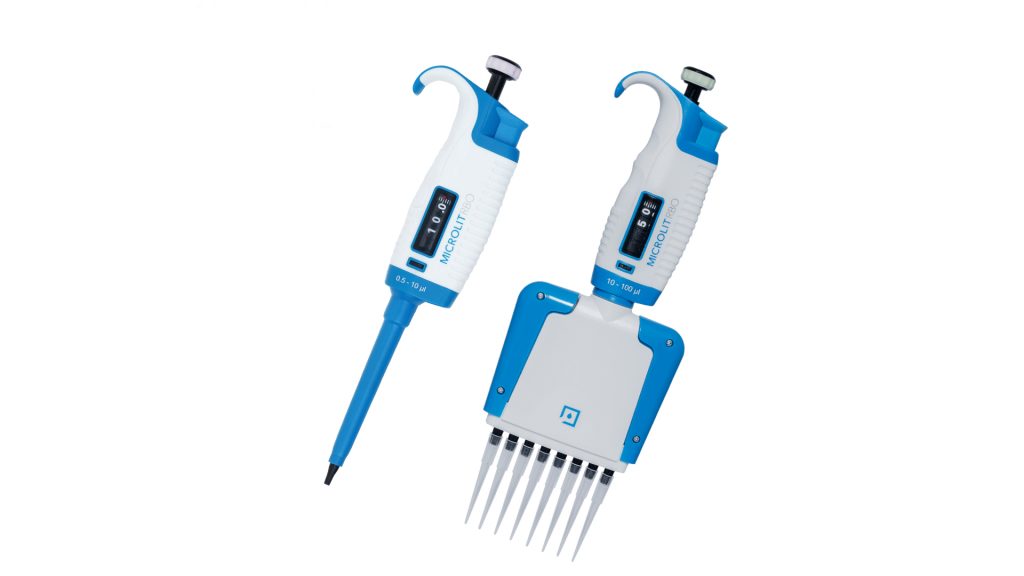
Microlit RBO Micropipettes – Microlit RBO is a range of high-precision micropipettes that offers a sophisticated blend of features and functionality. It is categorized into Single Channel (Fixed and Variable) and Multichannel (8-channel and 12-channel) Micropipettes, designed in-house by our product design engineers. These instruments are ergonomically and intuitively intended to provide exceptional user experiences in practical laboratory environments.

large white background 1

All Microlit micropipettes are fully autoclavable at 121°C, 15 psi for a duration of 15-20 mins, which means that our pipettes can be placed in an autoclave without disassembling any parts or components. This enables convenient autoclaving in the lab.

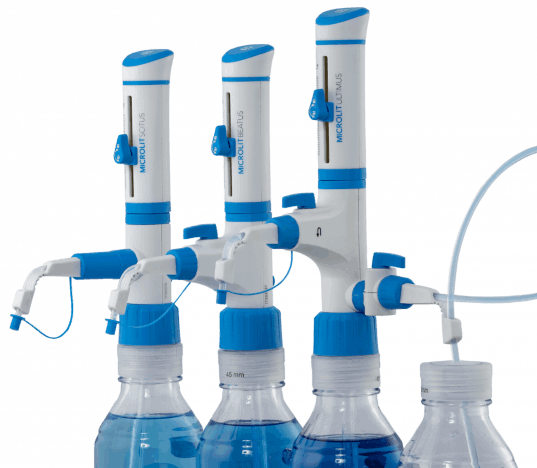
Microlit Bottle Top Dispensers – Microlit Bottle Top Dispensers are designed with ergonomics and intuitive handling in mind, it offers excellent chemical compatibility and enables the achievement of precision in practical laboratory environments. These Bottle Top Dispensers are categorized by their features and functionality. Some features common across all Microlit Bottle Top Dispensers:

  • SpringlessValve™ facilitates smooth & jam-free dispensing.
  • EasyKnob™ is a specially designed volume adjustment knob that allows 180° rotation for easy & effortless volume setting.

FlexiNozzle™ is an adjustable delivery nozzle. It offers a high level of flexibility, facilitating easy dispensing in demanding laboratory conditions.

BTD family2 1568x1045 1 1 1

Microlit bottle top dispensers can also be autoclaved for sterilization at 121°C, 15 psi for a duration of 15-20 mins. However, the piston needs to be disassembled from the assembly before autoclaving process. The housing and the piston can then be sterilized separately. For complete autoclaving instructions, please refer to the instruction manuals.

With the use of Microlit’s liquid handling products, you may perform your experiments seamlessly without worrying about the risk of cross-contamination.

Reach out to us at info-usa@microlit.com if you wish to know more about Micropipettes, Bottle Top Dispensers or any of our autoclavable products and make a purchase.

FAQs

Q1: What is the purpose of an autoclave in a laboratory?
To sterilize equipment and materials using high-pressure steam, ensuring safety and preventing contamination.

Q2: What items can be autoclaved safely?
Pyrex glass, polypropylene, some lab-grade plastics, metals, certain papers, and waste in approved bags.

Q3: What does “autoclavable” mean?
It means an item can safely endure the temperature and pressure of the autoclaving process without damage.

Q4: How often should autoclaving be done?
Before and after experiments, or whenever sterilization is needed to maintain contamination-free conditions.

Q5: Can all Microlit products be autoclaved?
Yes, all Microlit micropipettes and most bottle top dispensers are designed for autoclaving under specified conditions.