




 6652
6652
Liquid handling is the backbone of modern laboratories, supporting applications ranging from basic research and diagnostics to pharmaceutical development and biotechnology. Traditionally, pipetting and sample preparation have relied heavily on manual or semi-automated processes. While these methods have served laboratories well for decades, they are increasingly challenged by growing sample volumes, demand for higher accuracy, tighter timelines and stricter regulatory requirements.
As laboratories move toward higher efficiency and digital transformation, the future of liquid handling is being reshaped by robotics, artificial intelligence (AI) and predictive maintenance. Together, these technologies are revolutionizing how laboratories operate—making workflows faster, smarter, more reliable and less prone to human error.
The Evolution of Liquid Handling Systems
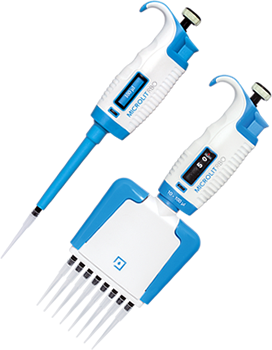
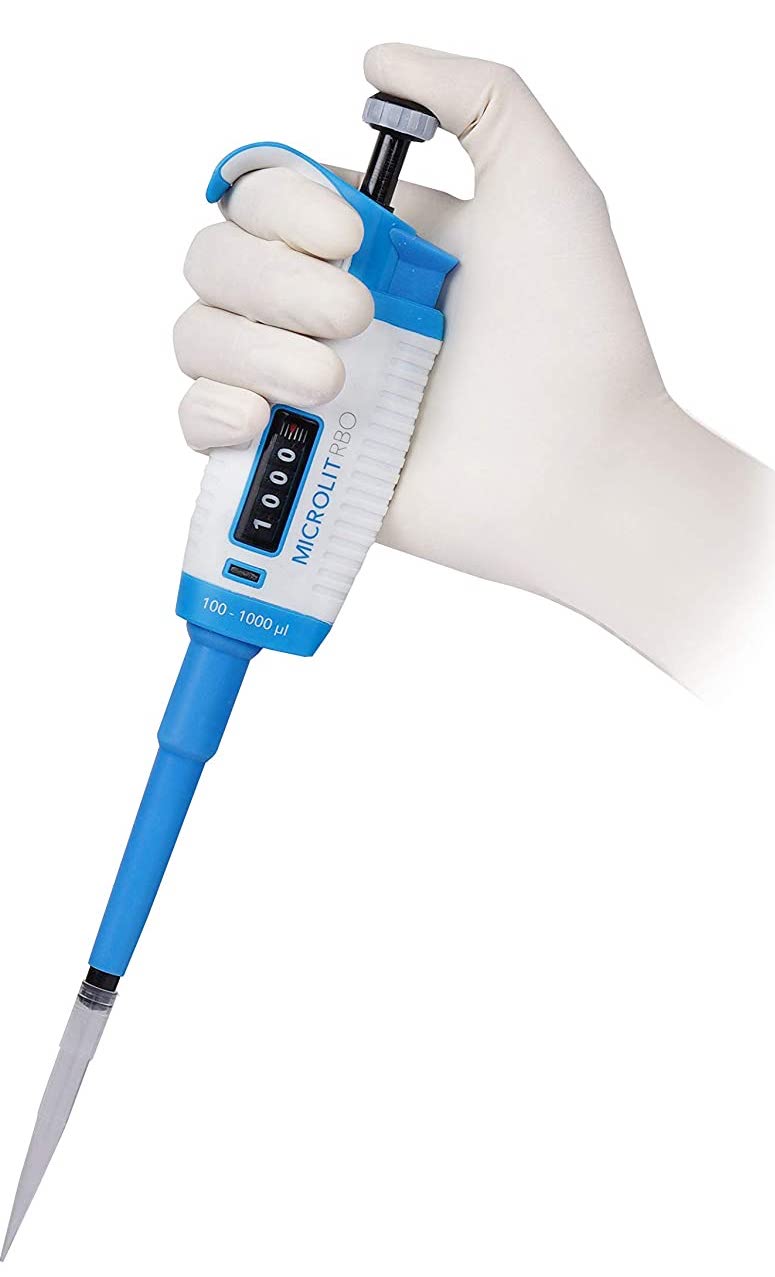
Liquid handling has evolved from simple glass pipettes to advanced electronic and automated systems. Early manual pipetting required skilled technicians and careful technique to maintain accuracy. While manual pipettes remain widely used, they are limited by operator fatigue, variability and scalability.
The next phase introduced automated liquid handling systems, which reduced hands-on time and improved reproducibility. Today, the field is entering a new era—one defined by intelligent automation, where robotics, AI-driven decision-making and data analytics work together to optimize laboratory performance.
Robotics: Automating Precision and Throughput
The Rise of Robotic Liquid Handling
Robotics has become a cornerstone of modern liquid handling. Robotic liquid handling platforms can perform repetitive pipetting tasks with extreme precision and consistency, operating continuously without fatigue.
These systems are now widely used in:
- High-throughput screening
- Genomics and proteomics
- Drug discovery and development
- Clinical diagnostics
- Large-scale sample processing
Advantages of Robotic Liquid Handling
Robotic systems offer several advantages over manual methods:
- High precision and repeatability, even at very low volumes
- Increased throughput, processing hundreds or thousands of samples per day
- Reduced human error and operator variability
- Improved safety, minimizing exposure to hazardous or infectious samples
Robotic arms, integrated pipetting modules and automated tip handling systems work together to deliver consistent results, making robotics indispensable in large and regulated laboratories.
Artificial Intelligence: Making Liquid Handling Smarter
AI Beyond Automation
While robotics focuses on physical automation, artificial intelligence brings cognitive capabilities to liquid handling systems. AI enables machines to analyze data, learn from past performance and adapt workflows in real time.
In liquid handling, AI is used to:
- Optimize pipetting parameters
- Detect anomalies or errors during dispensing
- Improve accuracy based on liquid properties
- Adjust protocols automatically for different sample types
AI-Driven Optimization
Different liquids behave differently. Viscous samples, foaming reagents, or volatile solvents can affect pipetting accuracy. AI algorithms can analyze dispensing patterns, sensor data and environmental conditions to dynamically adjust aspiration speed, dispense height or mixing cycles.
This level of adaptability allows AI-powered liquid handlers to deliver:
- Better accuracy across diverse liquid types
- Reduced reagent waste
- Improved reproducibility across experiments
AI and Data Integration
AI systems also integrate seamlessly with laboratory information management systems (LIMS). By analyzing historical data, AI can recommend optimized workflows, flag inconsistent results and help scientists make data-driven decisions faster.
Predictive Maintenance: Preventing Downtime Before It Happens
What Is Predictive Maintenance?
Predictive maintenance uses sensors, data analytics, and machine learning to predict when equipment components are likely to fail—before they actually do. Instead of following fixed service schedules or reacting to breakdowns, laboratories can proactively maintain their liquid handling systems.
How Predictive Maintenance Works in Liquid Handling
Modern liquid handling instruments are equipped with sensors that monitor:
- Motor performance
- Pipetting accuracy
- Tip ejection force
- Temperature and humidity
- Usage cycles and wear patterns
AI-driven algorithms analyze this data continuously to identify early signs of wear or malfunction.
Benefits of Predictive Maintenance
Predictive maintenance offers significant advantages:
- Reduced unplanned downtime
- Lower maintenance costs
- Extended equipment lifespan
- Improved reliability and consistency
For laboratories operating under tight deadlines—such as clinical diagnostics or pharmaceutical manufacturing—predictive maintenance ensures uninterrupted workflows and regulatory compliance.
The Convergence of Robotics, AI, and Predictive Maintenance
The real power of future liquid handling systems lies in the integration of robotics, AI and predictive maintenance. Together, these technologies create intelligent platforms that are not only automated but also self-monitoring and self-optimizing.
Smart, Connected Liquid Handling Systems
In the future, liquid handling platforms will:
- Automatically adjust protocols based on sample type
- Detect and correct pipetting errors in real time
- Schedule maintenance without human intervention
- Provide performance analytics and usage insights
Such systems will operate as part of a fully connected laboratory ecosystem, communicating with incubators, analyzers and data management platforms.
Impact on Different Laboratory Sectors
Pharmaceutical and Biotechnology Research
In drug discovery, where thousands of compounds must be screened quickly and accurately, intelligent liquid handling systems dramatically improve efficiency and reproducibility. AI-driven optimization reduces reagent waste and accelerates time-to-result.
Clinical and Diagnostic Laboratories
For diagnostics, consistency and reliability are critical. Robotics and predictive maintenance ensure high uptime and standardized results, supporting large-scale testing and regulatory compliance.
Academic and Research Laboratories
Even smaller research labs benefit from smarter liquid handling through improved accuracy, reduced manual workload, and better use of limited resources.
Challenges and Considerations
Despite their benefits, advanced liquid handling technologies also present challenges:
- High initial investment costs
- Need for skilled personnel to manage and interpret data
- Integration with existing laboratory infrastructure
However, as technology matures and adoption increases, costs are expected to decrease, making intelligent liquid handling more accessible across laboratories of all sizes.
The Role of Human Expertise in the Future Lab
Importantly, robotics and AI are not replacing scientists—they are empowering them. By automating repetitive tasks and equipment monitoring, researchers can focus on experimental design, data interpretation, and innovation.
Human expertise remains essential for:
- Designing experiments
- Validating results
- Making scientific judgments
- Driving discovery and innovation
The future laboratory is a collaborative environment where humans and intelligent machines work together.
Looking Ahead: What the Future Holds
The future of liquid handling is moving toward:
- Fully autonomous laboratories
- AI-driven protocol design
- Cloud-connected instruments
- Real-time performance analytics
- Sustainable liquid handling with reduced waste
As robotics, AI, and predictive maintenance continue to advance, liquid handling systems will become more accurate, reliable and adaptive than ever before.
Conclusion
The future of liquid handling is being shaped by the powerful combination of robotics, artificial intelligence, and predictive maintenance. These technologies are transforming laboratories from manual, labor intensive environments into intelligent, data-driven ecosystems.
By improving precision, reducing errors, minimizing downtime, and optimizing workflows, next-generation liquid handling systems are enabling faster discoveries and more reliable results. As laboratories embrace these innovations, liquid handling will no longer be just a routine task—it will be a strategic driver of scientific progress.
In the years ahead, intelligent liquid handling will play a central role in advancing research, diagnostics and healthcare worldwide, marking a new era of efficiency, accuracy and innovation in the laboratory.