




 613
613
Biotechnology research increasingly depends on precise, repeatable and efficient liquid handling. From PCR and qPCR to cell culture, sequencing, assay development and high-throughput screening, researchers routinely perform hundreds of pipetting steps in a single workflow.
This is where electronic pipettes can make a significant difference.
Unlike conventional mechanical pipettes, electronic pipettes use motor-driven mechanisms to control aspiration and dispensing. Depending on the model, they can offer programmable operating modes, controlled pipetting speeds, repetitive dispensing and multichannel functionality.
For laboratories evaluating the best electronic pipettes, the decision should go beyond brand recognition or purchase price. Accuracy, functionality, ergonomics, battery life, calibration, tip compatibility and application suitability all deserve consideration.
This guide explores key factors to consider when comparing the top electronic pipettes 2026, with a special focus on MICROLIT AQUA for biotechnology and laboratory customers in the United States.
Why Use Electronic Pipettes for Biotech Research?
Biotechnology workflows often involve repetitive liquid transfers and small-volume reactions. Manual pipetting can become time-consuming, particularly when processing large numbers of samples.
Electronic pipettes can help streamline these workflows by providing motor-assisted aspiration and dispensing.
Key benefits can include:
- Consistent liquid handling
- Controlled aspiration and dispensing
- Reduced repetitive manual effort
- Programmable operating modes
- Improved workflow efficiency
- Multichannel liquid transfer
- Better control during repetitive applications
Electronic pipettes can be particularly useful for PCR setup, microplate preparation, serial dispensing, sample dilution and other repetitive laboratory procedures.
However, not every electronic pipette offers the same functionality. Understanding the differences between models is essential before making a purchase.
What to Compare When Choosing Electronic Pipettes
When evaluating electronic pipettes for biotech research, consider the following features.
-
Accuracy and Precision
Accuracy and precision remain the foundation of reliable liquid handling.
An electronic pipette should deliver consistent volumes within its specified operating range. When comparing models, examine the manufacturer’s accuracy and precision specifications at the volumes most relevant to your application.
For biotech workflows, consistent liquid delivery can be especially important when working with:
- Enzymes
- Primers
- DNA and RNA samples
- PCR master mixes
- Cell culture reagents
- Assay components
Do not compare electronic pipettes solely on maximum volume. Evaluate performance across the actual working range.
-
Operating Modes
One of the biggest advantages of electronic pipettes is the ability to provide multiple operating modes.
Depending on the model, these may include:
- Standard pipetting
- Repetitive dispensing
- Serial dispensing
- Mixing
- Multi-dispensing
- Programmable pipetting
Multiple modes can reduce the number of manual steps required for repetitive protocols.
For example, repetitive dispensing can be useful when the same reagent must be distributed across a microplate.
-
Single-Channel vs Multichannel
Your laboratory’s workflow should determine the configuration you choose.
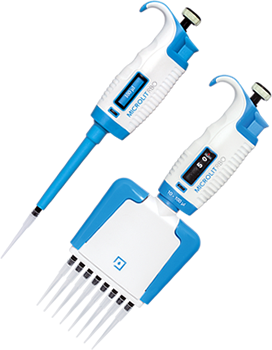
Single-Channel Electronic Pipettes
Single-channel models are useful for individual sample transfers and applications where flexibility is more important than throughput.
Multichannel Electronic Pipettes
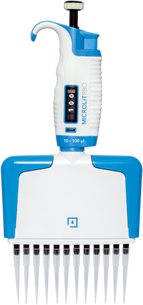
Multichannel electronic pipettes are designed for higher-throughput workflows involving multiple wells simultaneously.
They can be particularly useful for:
- PCR and qPCR
- ELISA
- Microplate assays
- Sample normalisation
- Serial dilution
- High-throughput screening
For biotech laboratories processing large sample volumes, multichannel electronic pipettes can significantly reduce repetitive pipetting.
-
Ergonomics
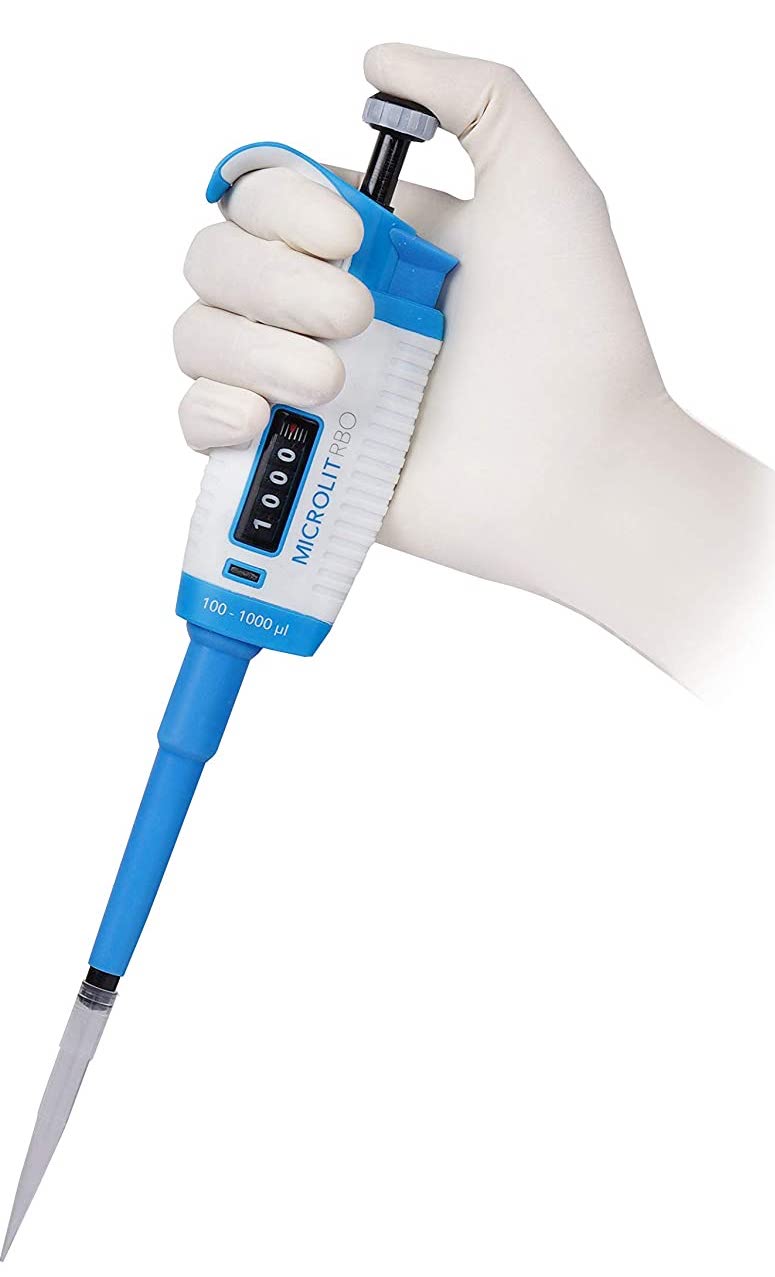
Biotech researchers can spend several hours performing liquid handling tasks. Ergonomics should therefore be considered alongside technical performance.
Important factors include:
- Grip design
- Weight distribution
- Operating force
- Tip-ejection mechanism
- Display readability
- Button placement
- Ease of programming
Electronic pipettes can reduce some of the repetitive mechanical effort associated with manual pipetting. However, the instrument should still feel balanced and comfortable during extended use.
-
Programmability and User Interface
Advanced electronic pipettes may offer digital displays and programmable settings.
A clear interface can make it easier to select volumes, speeds and operating modes.
For laboratories running standardised protocols, programmable functions can also improve workflow consistency by allowing users to repeat defined pipetting sequences.
When comparing the best electronic pipettes, consider whether the interface is intuitive enough for everyday laboratory use.
MICROLIT AQUA: Multifunctional Electronic Pipetting for Biotech Research
For US laboratories looking for an alternative among electronic pipette brands, MICROLIT AQUA offers a multifunctional electronic micropipette platform designed for modern liquid handling workflows.
AQUA is available in configurations designed for different applications, including single-channel and multichannel pipetting. Its portfolio includes 8-channel and 12-channel options, along with adjustable/variable-spacing multichannel configurations.
The multifunctional design makes AQUA suitable for applications across:
- Molecular biology
- Biotechnology
- Microbiology
- Immunology
- Cell culture
- Biochemistry
- Genetics
- Analytical laboratories
For biotechnology researchers, this versatility can be valuable when a laboratory performs multiple liquid handling workflows using the same pipetting platform.
Why Consider AQUA?
Multifunctional Operation
Designed to support different liquid handling tasks through electronic operation.
Multichannel Options
Useful for plate-based and higher-throughput workflows.
Adjustable/Variable Spacing
Selected AQUA configurations provide additional flexibility for different plate and tube formats.
Electronic Operation
Motor-driven liquid handling can help reduce repetitive manual effort.
Biotech Applications
Suitable for workflows spanning molecular biology, genetics, cell culture and other research applications.
For US customers comparing electronic pipettes for biotech research, AQUA provides an option worth evaluating alongside established international brands.
Comparing Top Electronic Pipettes 2026
There is no single electronic pipette that is the best for every laboratory.
Instead, researchers should compare models based on application requirements.
| Feature | What to Look For |
| Volume range | Matches your routine working volumes |
| Accuracy & precision | Suitable for your application |
| Operating modes | Pipetting, dispensing, mixing and other required functions |
| Channel configuration | Single, 8-channel, 12-channel or other options |
| Spacing | Fixed or adjustable/variable spacing |
| Ergonomics | Comfortable for repetitive operation |
| Interface | Easy-to-use controls and display |
| Battery | Suitable operating time between charges |
| Calibration | Convenient verification and maintenance |
| Tip compatibility | Reliable fit and availability |
| Service | Accessible technical and after-sales support |
| Price | Appropriate for performance and total cost of ownership |
This approach is more useful than simply ranking products from one to five.
Electronic Pipette Prices: What Determines the Cost?
The price of an electronic pipette can vary significantly depending on its features and configuration.
Factors that influence electronic pipette prices include:
- Single-channel vs multichannel configuration
- Volume range
- Programmability
- Number of operating modes
- Adjustable spacing
- Display and interface
- Battery technology
- Brand
- Calibration and service support
An advanced multichannel electronic pipette will generally have a different price point from a basic single-channel model.
Therefore, instead of asking only “What is the cheapest electronic pipette?”, laboratories should ask:
“Which electronic pipette delivers the functionality I actually need at the best overall value?”
The lowest purchase price may not always represent the lowest long-term cost if the product has limited functionality, difficult maintenance or higher downtime.
Electronic Pipette Brands: What Should US Customers Consider?
The market includes several established electronic pipette brands, ranging from global laboratory equipment manufacturers to newer liquid handling companies.
US customers should consider:
- Product availability
- Warranty terms
- Technical support
- Calibration services
- Spare parts
- Tip availability
- Shipping and lead times
- Application support
Local availability and after-sales support can be particularly important for laboratories where pipettes are essential to daily operations.
When evaluating a new brand, laboratories should also review product specifications, certifications, documentation and service capabilities before making a purchasing decision.
Why MICROLIT AQUA Deserves Consideration in 2026
The electronic pipette market is becoming increasingly competitive, giving biotech laboratories more choices.
MICROLIT AQUA brings a combination of electronic operation, multifunctional liquid handling and multichannel configurations to the market.
For US biotech customers, AQUA can be considered when evaluating alternatives based on:
- Workflow flexibility
- Electronic operation
- Multichannel productivity
- Application versatility
- Ergonomic handling
- Total cost of ownership
Rather than selecting a pipette purely based on brand familiarity, laboratories can evaluate AQUA alongside other top electronic pipettes 2026 using the same performance and workflow criteria.
How to Choose the Best Electronic Pipette for Your Lab
Before purchasing, answer five key questions:
What volumes do we use most?
Choose a model whose operating range closely matches your routine applications.
How many samples do we process?
High-throughput laboratories may benefit from multichannel configurations.
How repetitive is the workflow?
Electronic and programmable functions can be especially useful for repetitive liquid handling.
What applications do we perform?
PCR, qPCR, cell culture, ELISA, sequencing and sample preparation can have different requirements.
What is our total budget?
Consider purchase price alongside tips, calibration, maintenance, service and expected product life.
Electronic pipettes are becoming an increasingly valuable part of modern biotechnology laboratories. They can improve workflow efficiency, provide controlled liquid handling and reduce the repetitive effort associated with manual pipetting.
When evaluating the best electronic pipettes, laboratories should consider much more than price. Accuracy, precision, operating modes, ergonomics, channel configuration, programmability, tip compatibility, service and total cost of ownership all contribute to the value of an electronic pipette.
For laboratories exploring the top electronic pipettes 2026, MICROLIT AQUA offers a multifunctional electronic micropipetting solution worth considering, particularly for biotechnology and molecular biology workflows.
For US customers evaluating electronic pipette brands, AQUA provides another option to compare based on application requirements, functionality and overall value.
Ultimately, the best electronic pipette is the one that fits your laboratory—not simply the one with the most features or the highest brand recognition.
MICROLIT AQUA — Smart electronic pipetting for modern laboratory workflows.
MICROLIT — Precision in Every Microlitre.