




 9
9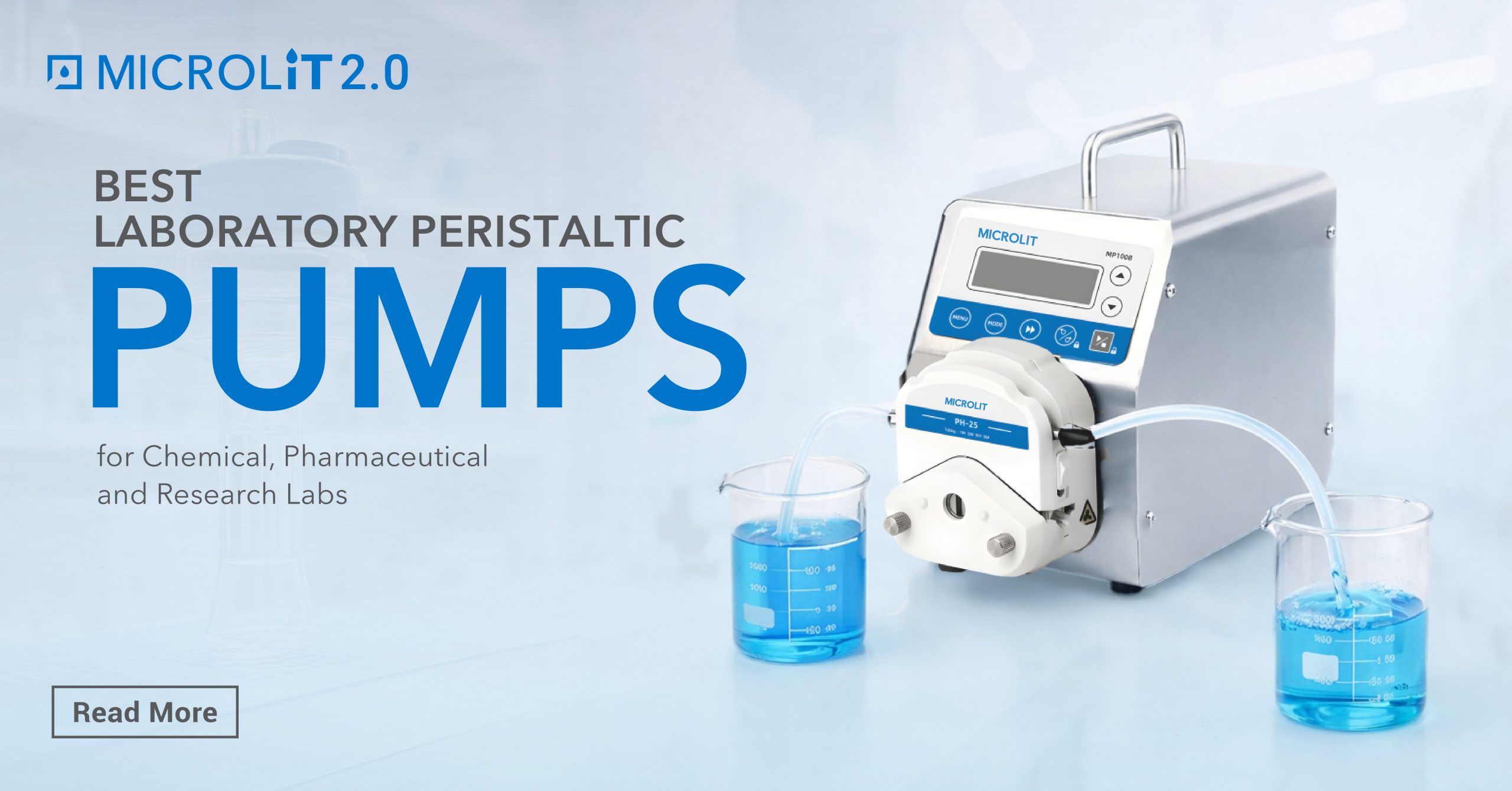
In modern laboratories, precision fluid handling is critical to ensuring accurate results, reproducibility, and operational efficiency. Whether in chemical processing, pharmaceutical formulation, or advanced research environments, peristaltic pumps have emerged as an indispensable tool. Their unique working principle—moving fluids through flexible tubing without direct contact with mechanical components—makes them ideal for sterile, corrosive, and sensitive applications.
For organizations like Microlit that emphasize precision and reliability, selecting the best laboratory peristaltic pump is key to achieving consistent outcomes. This article explores how peristaltic pumps work, their advantages, and the key features that define the best models—along with a closer look at Microlit’s specialized range.
Understanding Peristaltic Pumps
A peristaltic pump operates by compressing and releasing flexible tubing using rotating rollers. This action creates a vacuum that pulls fluid through the tube in a controlled manner. Since the fluid only contacts the tubing, contamination risks are significantly minimized.
These pumps are widely used across:
- Analytical chemistry
- Biotechnology and bioanalysis
- Chromatography
- Pharmaceutical production and dosing
Their ability to handle viscous, corrosive, and shear-sensitive fluids makes them especially valuable in demanding lab environments.
Why Peristaltic Pumps Are Ideal for Laboratories
Laboratory workflows demand accuracy, sterility, and flexibility. Peristaltic pumps offer several advantages that make them superior to conventional pumping systems:
Contamination-Free Operation
Because fluids are contained within tubing, there is no direct contact with pump components—ensuring purity in sensitive applications.
High Precision and Repeatability
Adjustable flow rates allow for accurate dosing and reproducible results, critical for research and pharmaceutical processes.
Chemical Compatibility
These pumps can safely handle aggressive chemicals, acids, and solvents with the right tubing material.
Gentle Fluid Handling
Low-shear pumping preserves delicate biological samples such as cells and proteins.
Easy Maintenance
Minimal moving parts and replaceable tubing make maintenance simple and cost-effective.
Key Features of the Best Laboratory Peristaltic Pumps
When selecting a peristaltic pump, laboratories should consider the following:
- Wide Flow Rate Range: From microliters per minute to liters per minute
- High Accuracy Control: Fine speed adjustments for precise dosing
- Multi-Channel Capability: For parallel experiments and high-throughput work
- User-Friendly Interface: Digital displays and programmable settings
- Low Pulsation Flow: For smooth and stable fluid delivery
- Durable Construction: Resistant to harsh lab environments
Microlit’s Extensive Range of Peristaltic Pumps
Microlit distinguishes itself with a well-structured portfolio of three peristaltic pump series, each designed to address specific laboratory requirements while maintaining high standards of precision and performance.
-
Clever Flow Series – Precision Meets Simplicity
The Clever Flow series is built for laboratories that prioritize precision, programmability, and ease of use. Equipped with a true-color LCD touchscreen, these pumps allow users to manage complex workflows with minimal effort.
Key highlights:
- Flow rates ranging from microflow to 3000 mL/min
- Fine speed control with 0.1 RPM resolution
- Advanced programming modes for flexible operations
- RS485 communication for system integration
These features make Clever Flow pumps ideal for analytical labs, reagent dosing, and precision-driven applications.
-
Intelligent Dispensing Series – Automation and Accuracy
The Intelligent Dispensing series is designed for labs requiring automation, repeatability, and compliance—especially in pharmaceutical and regulated environments.
Key highlights:
- Programmable dispensing modes for automated workflows
- High-resolution 4.3-inch LCD interface
- Advanced calibration features for enhanced accuracy
- Expanded communication protocols for lab automation
This series is particularly suited for pharmaceutical production, batch dispensing, and high-precision dosing systems.
-
Speed Variable Series – Reliable Everyday Performance
The Speed Variable series offers a cost-effective and dependable solution for routine laboratory tasks without compromising essential functionality.
Key highlights:
- Simple LCD interface for easy operation
- Adjustable flow rates up to 3000 mL/min
- Forward and reverse operation
- Anti-drip functionality to minimize fluid loss
These pumps are ideal for general fluid transfer, sampling, and day-to-day lab workflows.
Built for Versatility and Performance
Across all three series, Microlit ensures:
- Wide flow rate coverage for diverse applications
- Multi-channel configurations for high-throughput processes
- Low pulsation pump heads for smooth flow
- Durable construction materials for long-term reliability
- Automation-ready interfaces for modern laboratory setups
This modular and scalable approach allows laboratories to upgrade or expand their systems without changing platforms.
Applications Across Industries
Chemical Laboratories
Peristaltic pumps are used for safe handling of corrosive chemicals, solvent dosing, and hazardous fluid transfer.
Pharmaceutical Laboratories
They play a vital role in sterile fluid transfer, drug formulation, and precision dispensing—ensuring compliance with strict standards.
Research and Academic Labs
From microfluidics to biotechnology experiments, these pumps enable controlled and repeatable fluid handling.
Challenges and Considerations
Despite their advantages, peristaltic pumps have some limitations:
- Pulsation: May affect highly sensitive flow applications
- Tubing Wear: Requires periodic replacement
- Pressure Limits: Not suitable for very high-pressure systems
However, modern designs—like those offered by Microlit—significantly minimize these challenges.
Why Choose Microlit
Microlit’s approach goes beyond offering equipment—it provides engineered solutions tailored to laboratory needs. Their three-series strategy ensures that users can select a pump based on functionality, scalability, and budget, without compromising on quality.
Key advantages include:
- Consistent accuracy and repeatability
- User-centric design and interface
- Compatibility with advanced lab automation
- Strong build quality and reliability
Conclusion
Peristaltic pumps have become essential in modern laboratories due to their precision, versatility, and contamination-free operation. Whether used in chemical analysis, pharmaceutical production, or advanced research, they play a crucial role in ensuring reliable outcomes.
Microlit’s comprehensive range—Clever Flow, Intelligent Dispensing, and Speed Variable series—offers tailored solutions for every level of laboratory requirement. By combining advanced technology with practical design, Microlit empowers laboratories to achieve higher efficiency, accuracy, and confidence in their processes.
Investing in the right peristaltic pump is not just about equipment—it’s about enhancing the quality and integrity of your scientific work.