




 4
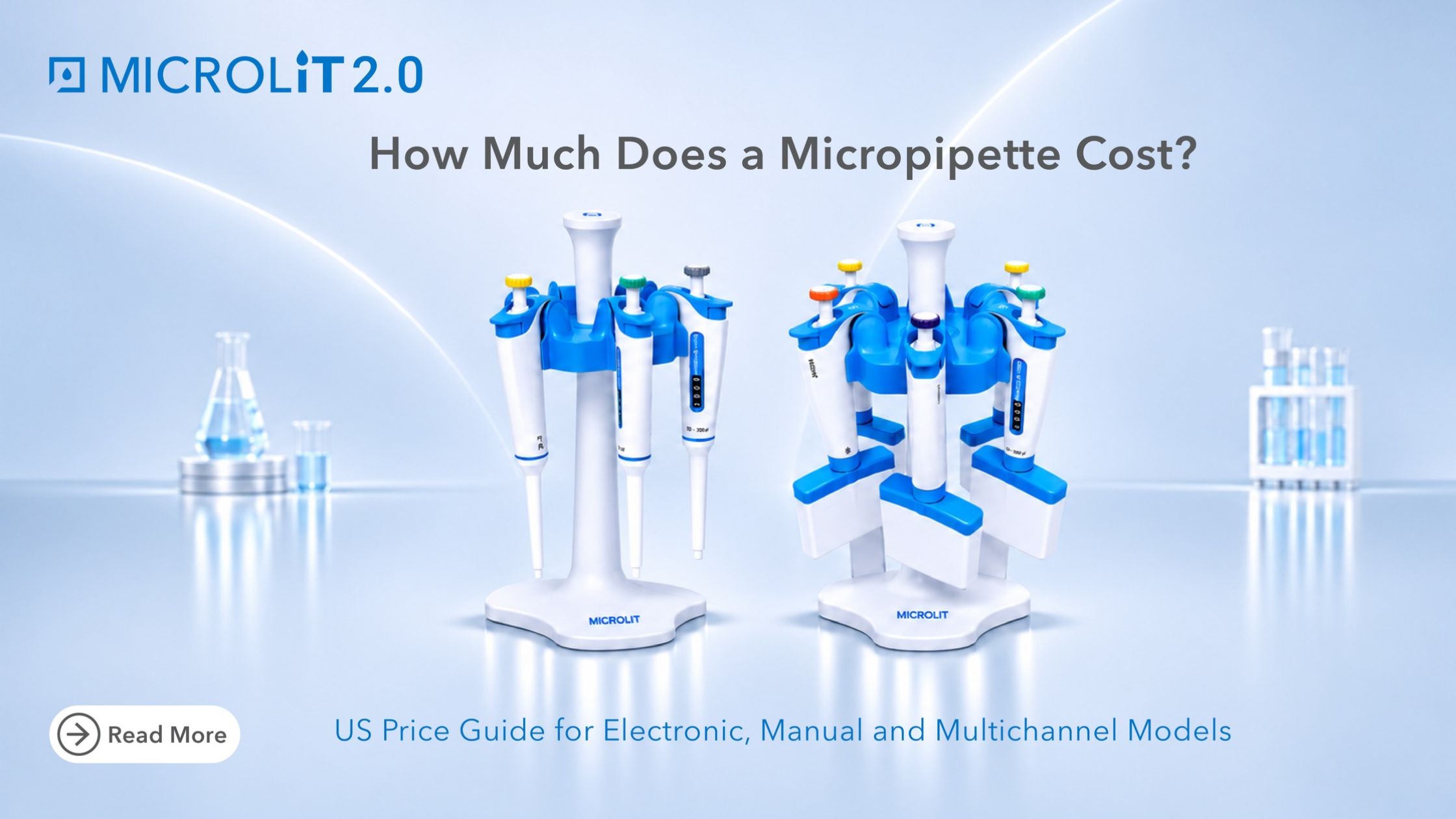
Whether setting up a new research laboratory or upgrading existing liquid handling equipment, choosing the right micropipette involves more than comparing technical specifications. Price is often one of the first considerations for laboratory buyers, but the cost of a micropipette can vary significantly depending on its operating mechanism, volume range, number of channels, accuracy and additional features.
So, how much does a micropipette cost in the United States? Are electronic micropipettes more expensive than manual models? And how much should laboratories budget for multichannel pipettes?
This guide explores typical US market price ranges, key purchasing considerations and the factors that influence micropipette costs.
How Much Does a Micropipette Cost in the USA?
Micropipette prices in the United States can range from a few dozen dollars for basic manual models to several thousand dollars for advanced electronic and multichannel instruments.
The final cost depends on the instrument’s specifications, manufacturer, calibration standards, warranty, accessories and intended application.
Here is an indicative overview of publicly listed US retail prices:
|
Micropipette Type |
Indicative US Price Range |
| Manual single-channel |
$20–$225 |
|
Manual multichannel (8/12-channel) |
$350–$660 |
| Electronic single-channel |
$1,100–$1,500 |
|
Electronic multichannel |
$1,270–$3,300+ |
Note: These are indicative market examples based on publicly listed products from different manufacturers and US distributors, not fixed industry-wide prices or official Microlit quotations. Prices may change depending on specifications, promotions and supplier terms.
Understanding the differences between these categories can help buyers identify the most suitable instrument for their laboratory.
Manual Micropipettes: Affordable and Reliable for Routine Applications
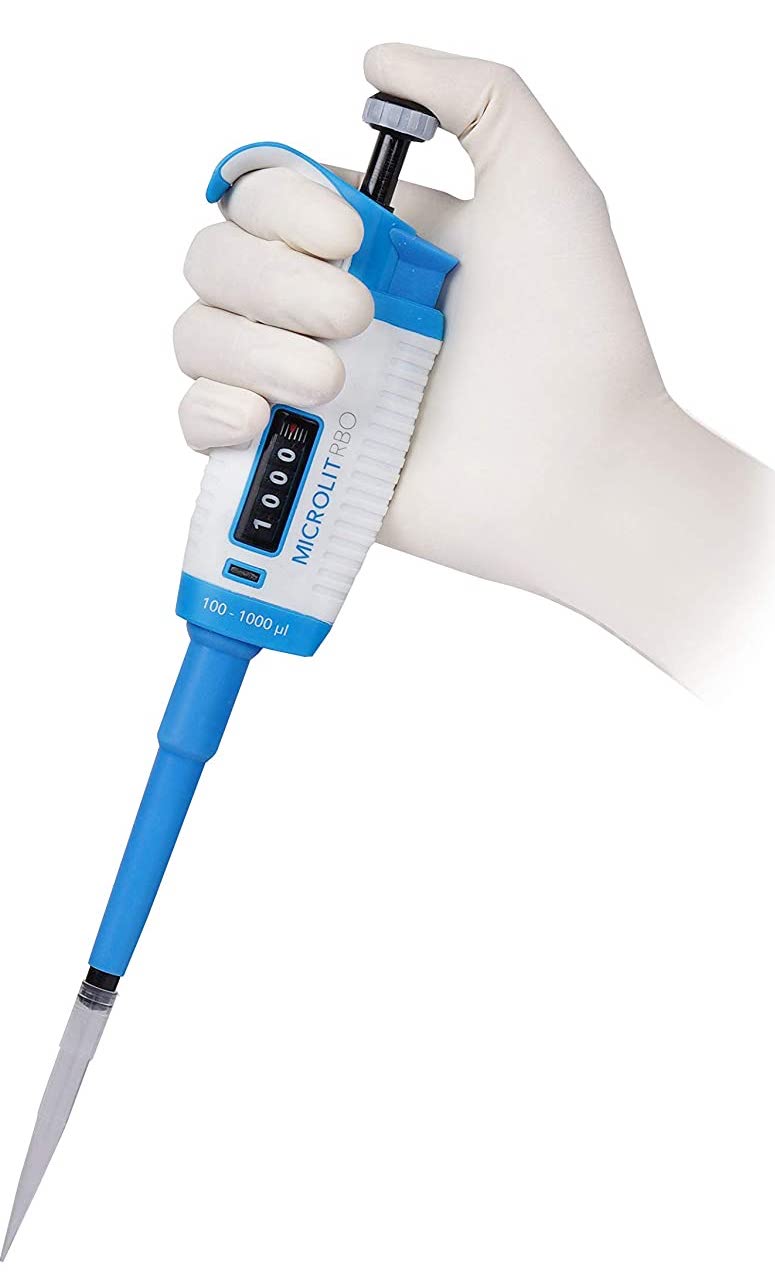
Manual micropipettes remain a popular choice across research laboratories, educational institutions, pharmaceutical facilities and diagnostic centres.
These instruments use a mechanical piston-based air displacement system to aspirate and dispense precise liquid volumes. Their straightforward operating mechanism makes them suitable for routine applications that require consistent liquid handling.
Typical price range: $20–$225
The price varies according to:
- Fixed-volume or variable-volume functionality.
- Available volume ranges.
- Accuracy and precision specifications.
- Ergonomic design and material quality.
- Autoclavability and calibration certification.
For laboratories performing routine pipetting operations, a quality manual micropipette can offer an effective balance between affordability and performance.
Microlit Manual Micropipette Options
Microlit offers manual micropipette ranges designed for different laboratory requirements.
NERO: An ergonomic micropipette range featuring UniCal® Calibration Technology, designed to facilitate quick in-lab calibration.
RAMBO: A range of ergonomic micropipettes featuring μAir® technology, designed to minimise dead air space between the piston and tip cone for improved pipetting performance.
Explore the Microlit USA micropipette range
Electronic Micropipettes: Advanced Liquid Handling at a Higher Investment
Electronic micropipettes are designed to automate aspiration and dispensing operations, reducing repetitive manual effort and supporting consistent liquid handling.
Unlike conventional manual models, electronic micropipettes use motor-driven mechanisms and electronic controls to manage liquid transfer.
Typical price range: $1,100–$1,500 for electronic single-channel models.
Advanced electronic multichannel models can cost considerably more, depending on their functionality and configuration.
Factors influencing electronic micropipette pricing include:
- Number of programmable operating modes.
- Motor technology and dispensing control.
- Display and user interface.
- Rechargeable battery performance.
- Memory and custom programming options.
- Ergonomic features and automation capabilities.
Electronic micropipettes are particularly useful in laboratories performing repetitive pipetting tasks, serial dilutions, sample preparation and other workflows requiring consistent liquid handling.
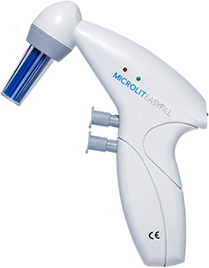
Discover Microlit AQUA Electronic Micropipettes
Microlit AQUA is a multifunctional electronic micropipette designed for precise liquid measurement and transfer.
Its key features include:
- 12 unique modes of operation.
- Linear stepping motor system.
- Multiple speed selection modes.
- Internal storage memory for reusable programs.
- Large, easy-to-read display with adjustment wheel.
- External detachable rechargeable battery.
- Ergonomic design for comfortable operation.
With multiple operating modes and programmable functionality, AQUA offers a versatile electronic liquid handling solution for modern laboratories.
Explore Microlit AQUA Electronic Micropipettes
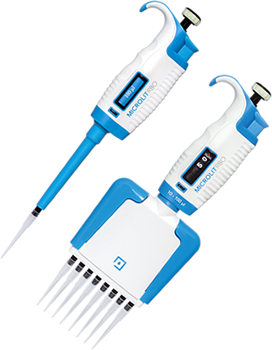
Multichannel Micropipettes: What Does an 8-Channel or 12-Channel Pipette Cost?
Multichannel micropipettes are designed to aspirate and dispense liquids simultaneously through multiple channels. They are particularly useful for laboratories working with microplates and high-throughput applications.
An 8-channel or 12-channel micropipette can help reduce repetitive operations, save time and improve workflow efficiency when processing multiple samples.
Typical price ranges:
- 8-channel manual micropipette: $350–$650.
- 12-channel manual micropipette: $375–$660.
- Electronic multichannel micropipette: approximately $1,270–$3,300 or more.
The actual cost depends on volume range, channel configuration, adjustment mechanism, accuracy and additional features.
Where Are Multichannel Micropipettes Used?
Common applications include:
- ELISA and diagnostic testing.
- PCR and DNA amplification.
- Molecular screening.
- Kinetic studies.
- High-throughput sample preparation.
- Microplate-based research.
What Factors Should You Consider Before Buying a Micropipette?
Price should not be the only deciding factor when purchasing laboratory pipettes. A low-cost instrument may not necessarily offer the best long-term value if it does not meet your laboratory’s accuracy, durability or application requirements.
Consider the following factors before making a purchase.
- Volume Range
Select a micropipette that covers the volumes routinely handled in your laboratory. Choosing the correct volume range is important for reliable measurements.
- Accuracy and Precision
Review the manufacturer’s accuracy and coefficient of variation specifications. These parameters are essential for reproducible experimental results.
- Calibration and Compliance
Look for calibration documentation and applicable standards, including ISO 8655, when relevant to your laboratory’s quality requirements.
- Ergonomics
A lightweight instrument with comfortable handling and smooth plunger operation can help reduce repetitive strain during extended pipetting sessions.
- Maintenance and Autoclavability
Consider the availability of spare parts, servicing support and autoclavable components. These features can influence the instrument’s long-term usability.
- Pipette Tip Compatibility
Universal tip compatibility can offer greater flexibility in purchasing consumables and managing laboratory operating costs.
Is a More Expensive Micropipette Always Better?
Not necessarily. The right micropipette is the one that meets your application requirements without unnecessary expenditure.
For routine laboratory operations, a well-designed manual micropipette may be sufficient. Electronic models can be more appropriate for repetitive workflows where automated operation and programmable functionality provide additional value.
Similarly, multichannel micropipettes are worth considering when working with microplates or processing multiple samples simultaneously.
Rather than focusing exclusively on the initial purchase price, laboratories should evaluate accuracy, calibration, warranty, service support, consumable compatibility and expected usage over the instrument’s lifetime.
Conclusion
Micropipette prices in the United States vary considerably depending on the instrument type, operating mechanism, volume range and technical specifications.
Manual single-channel models offer an economical option for routine liquid handling, while electronic micropipettes provide advanced functionality for demanding workflows. Multichannel models offer greater efficiency when working with multiple samples and microplate applications.
Microlit offers a comprehensive range of manual, ergonomic, electronic and multichannel micropipettes designed to address different laboratory requirements.
Looking for the right micropipette for your laboratory?
Explore the Microlit USA product portfolio or connect with our team to discuss your application requirements and receive product pricing information.
Visit: https://www.microlit.us/
Email: info-usa@microlit.com