




 132947

Quick Answer:
Medical laboratory instruments are specialised devices used to examine, measure, analyse and process biological or chemical samples. Common examples include microscopes, haematology analysers, blood gas analysers, haemoglobinometers, centrifuges, autoclaves, cell counters, incubators and liquid-handling instruments. Each instrument performs a specific function, such as viewing cells, measuring blood parameters, separating samples, sterilising equipment or transferring liquids accurately.
What Are Medical Laboratory Instruments?
Medical laboratory instruments are specialized equipment and devices used to analyse biological materials such as blood, urine and tissue samples, as well as chemical substances used in laboratory testing and research. Their primary purpose is to support accurate, reliable and repeatable laboratory procedures. Depending on the instrument, they may be used for measuring, separating, viewing, counting, sterilising or analysing samples.
Medical laboratories use a combination of basic equipment, such as pipettes and microscopes, and advanced analytical instruments, such as automated blood analysers and molecular testing systems. The selection of equipment depends on the laboratory’s purpose, workload and testing requirements.
Main Types of Medical Laboratory Instruments
The following are some of the commonly used instruments in clinical, pharmaceutical and scientific research laboratories.
1) Microscope
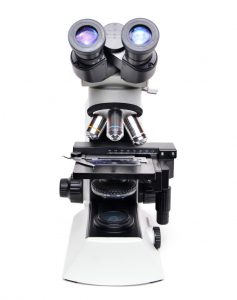
Microscopes are one of the most common lab equipments in a scientific lab. They are used to view micro-sized objects or objects that are very small to be seen by the naked eye. By producing a bigger image of the small object, these instruments eMicroscopenable researchers to examine minute details very closely.
In a pharma setup, microscopes can be used to evaluate different types of cells or identify various microorganisms, such as bacteria, viruses and parasites.
2) Hematology Analyzer
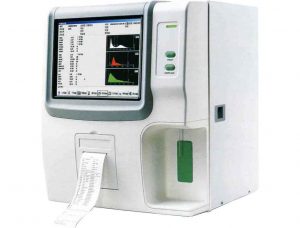
Hematology analyzers are used to accurately quantify blood cells. It is a highly sophisticated automatic computerized device that enables a technician to precisely count blood cells using the technique of flow cytometry, light scatter phenomenon, use of fluorescent dyes, as well as radiofrequency. The analyzer is very useful to diagnose and monitor blood cancers and bleeding disorders.
3) Blood Gas Analyzers
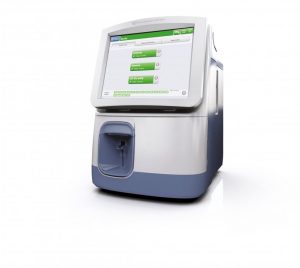
Blood gas analyzers use a person’s blood to measure the pH and partial pressure of oxygen, as well as carbon dioxide. It can also evaluate bicarbonate concentration in the blood. This test can be performed very quickly, and results are generally available within minutes after the test.
4) Haemoglobinometer
As the name suggests, a haemoglobinometer is used for estimating hemoglobin in the blood. It uses spectrophotometry for calculating hemoglobin concentration. It is a portable device, therefore can be easily carried. The result is expressed in gram hemoglobin per 100 ml of the blood sample.

5) Centrifuges
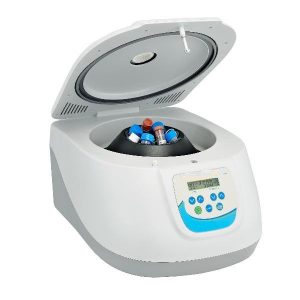
Centrifuges are commonly found in medical equipment lab, thay are used to separate fluids based on their density. This is achieved by spinning the vessel having the sample at a high speed that makes the centrifugal force push the heavier substance to the outer periphery of the vessel.
6) Autoclave
An autoclave is used to sterilize samples and lab instruments, such as plastic tubes, pipette tips, glassware and surgical instruments in a research laboratory. It uses temperature, pressure and steam for the decontamination of materials. The working principle of an autoclave is based on the downward displacement of air through gravity. Usually, an autoclave functions on standard settings- Pressure: 15 psi, Steam Temperature: 121°C for 15 minutes.
7) Cell Counter
Cell counters are used to calculate the number of cells, as well as assess the cell type in blood or urine samples. In addition, they can be used to evaluate the viability of a cultured cell line for cell therapy. A cell counter functions by loading the sample into the chamber, which moves through a small tube. As the sample moves through the tube, it counts the number of cells using optical or electrical impedance sensors.
8) Clinical Laboratory Incubator
Incubators are control chambers that can be used to manage temperature and humidity, as well as carbon dioxide levels of samples for specific tests. They are mostly used to promote the growth and development of cells and tissues. The major application of incubators is in the field of microbiology. Microbiological incubators can be used for:
- Growth and reproduction of microbial colonies.
- Storage and maintaining the culture of organisms for later use.
- Assessing biochemical oxygen demand (BOD) of cells.
9) Liquid handling Instruments
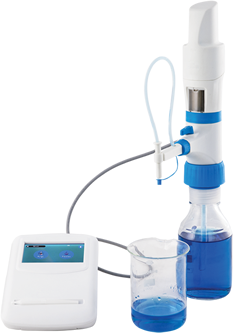
Liquid-handling instruments are essential in medical, pharmaceutical and scientific research laboratories. They are used to measure, transfer, dispense and manage liquid samples and reagents with accuracy and repeatability.
Common liquid-handling instruments include:
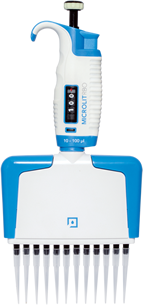
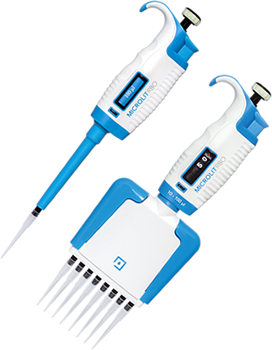
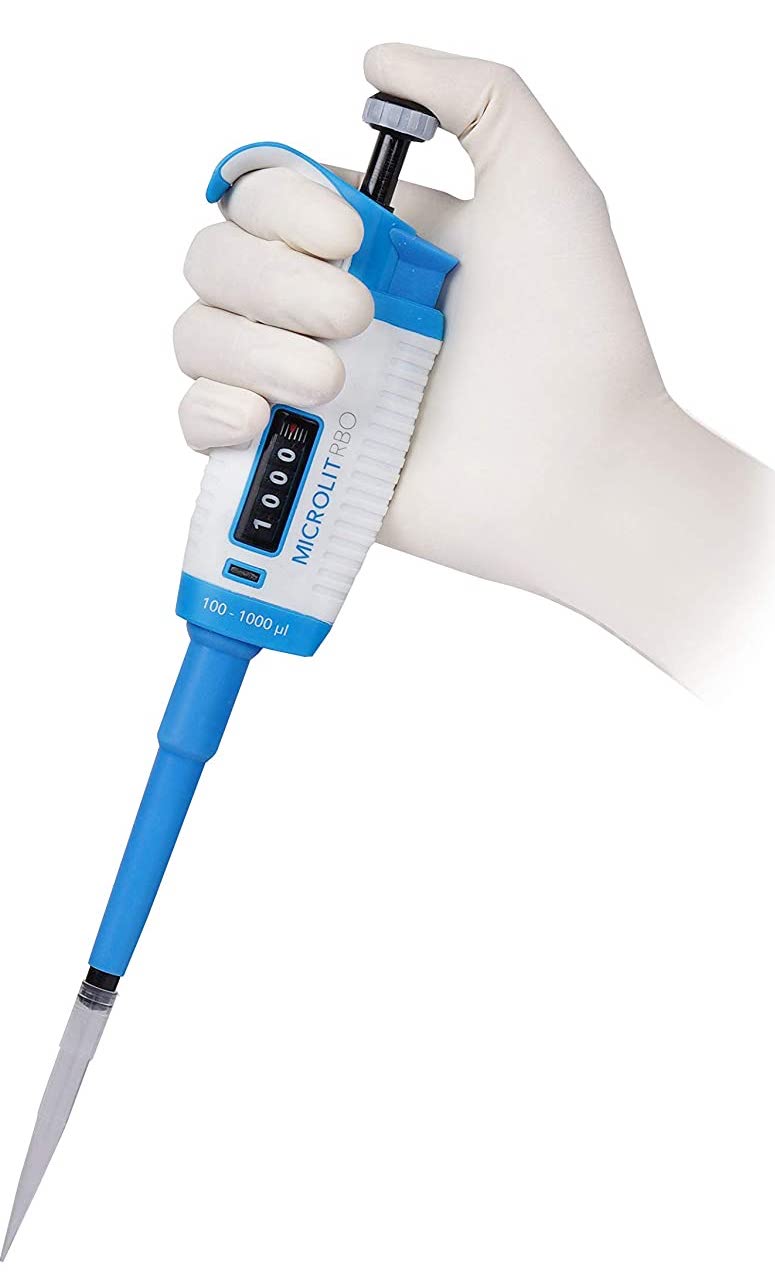
- Micropipettes: Used to measure and transfer small volumes of liquid.
- Bottle-top dispensers: Used to dispense measured quantities of liquids from laboratory bottles.
- Burettes: Used to deliver controlled volumes of liquid, particularly in titration and analytical procedures.
- Electronic pipette fillers: Used to support the controlled filling and dispensing of liquid with compatible pipettes.
The right instrument depends on the liquid volume, viscosity, chemical compatibility, accuracy requirements and laboratory workflow.
For more information, read What Is the Right Liquid Handling Device for Your Lab?.
Comparison of Common Medical Laboratory Instruments
|
Instrument |
Primary function |
Common applications |
|
Microscope |
Magnifies and examines small structures | Cell studies, microbiology and tissue analysis |
|
Haematology analyser |
Measures blood cell parameters | Blood testing and haematology |
|
Blood gas analyser |
Measures blood gas and acid-base parameters | Respiratory and metabolic assessment |
|
Haemoglobinometer |
Measures haemoglobin concentration | Haemoglobin testing |
|
Centrifuge |
Separates sample components | Blood processing and research |
|
Autoclave |
Sterilises compatible materials | Laboratory decontamination |
|
Cell counter |
Counts and analyses cells | Cell culture and research |
|
Incubator |
Maintains controlled environmental conditions | Microbiology and cell culture |
|
Liquid-handling instruments |
Measures and transfers liquids | Sample preparation and analytical testing |
Purchasing the Right Lab Equipment
The key parameters to keep in mind while making purchase decisions for your lab include the scope of applications, the anticipated workload and the regulatory requirements. Medical patient testing requires a lab to use FDA-approved equipment and kits.
Further, one should estimate the throughput and footprint of the equipment before investing in it. It is also imperative to follow the manufacturer’s instructions on calibration, storage, training and other guidelines.
How to Choose the Right Laboratory Equipment
Selecting the right laboratory equipment requires an understanding of the laboratory’s applications, workload and testing requirements. Consider the following factors before purchasing an instrument.
Application and testing requirements
Identify the types of tests, samples and procedures the laboratory performs. The instrument should be suitable for the intended application and compatible with the sample materials.
Accuracy and repeatability
Consider the level of accuracy, precision and repeatability required for the laboratory’s procedures. This is especially important when working with small liquid volumes or performing quantitative analyses.
Throughput and workload
Estimate the number of samples processed daily and choose equipment that can support the expected workload without compromising performance.
Regulatory and quality requirements
Medical testing laboratories must follow applicable regulatory requirements and use equipment and test systems appropriate for their intended purpose. Depending on the application and jurisdiction, equipment and diagnostic products may require relevant regulatory clearances or approvals.
Maintenance and calibration
Review the manufacturer’s instructions for calibration, maintenance, cleaning, storage and operator training. Regular maintenance helps support reliable laboratory performance.
Laboratory space and compatibility
Consider the available workspace, equipment footprint, power requirements and compatibility with existing laboratory procedures.
Microlit Liquid Handling Instruments
Microlit develops and manufactures liquid-handling instruments designed to support accurate and efficient liquid transfer in laboratory environments.
Its product range includes bottle-top dispensers, electronic burettes, micropipettes, electronic pipette fillers and related laboratory accessories. These instruments are used in applications where controlled liquid measurement and dispensing are important.
Explore Microlit’s liquid-handling solutions:
- Bottle-top dispensers
- Electronic burettes
- Micropipettes
- Micropipette tips
- Microlit laboratory products
The right liquid-handling instrument depends on the required volume range, accuracy, liquid properties and laboratory workflow. Reviewing product specifications and following the manufacturer’s instructions can help laboratories select suitable equipment.
FAQ’s
- What are medical laboratory instruments?
Medical laboratory instruments are tools and devices used to analyze, measure, and process biological or chemical samples. They help detect diseases, monitor health conditions, and support research and diagnostic procedures in clinical and research laboratories.
- Why are micropipettes important in medical laboratories?
Micropipettes are used to accurately measure and transfer small volumes of liquid. They are essential in experiments and diagnostic procedures where precision and repeatability are critical.
- What is the function of an autoclave?
An autoclave is used to sterilize laboratory equipment and materials by using high-pressure steam. It eliminates bacteria, viruses, and other microorganisms, ensuring a safe and contamination-free laboratory environment.
- What are the basic instruments found in every lab?
Basic lab instruments usually include:
- Microscopes
- Centrifuges
- Pipettes
- Incubators
- Autoclaves
- Balances
These tools are essential for routine laboratory procedures.
- What is the function of a microscope in a medical lab?
A microscope is used to magnify small samples such as cells, bacteria, or tissues. It helps technicians examine structures that are not visible to the naked eye.