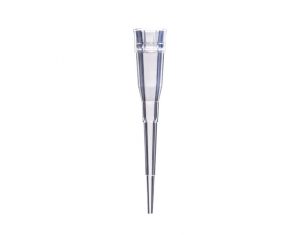
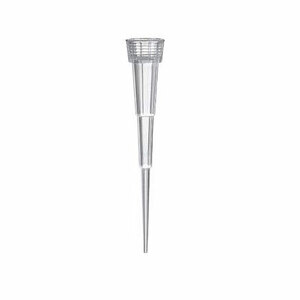
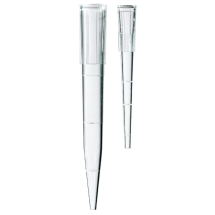
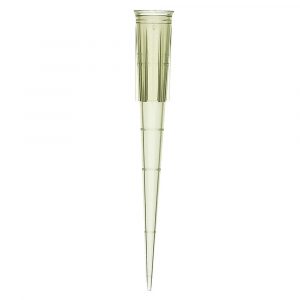
Mechanical displacement pipettes have been in use across a gamut of laboratory / scientific research applications for more than 50 years. These pipettes are user-friendly, and can be used to dispense a variety of liquid formulations. The working principle of a displacement pipette is straight-forward. The push button on the pipette is pressed, and the pipette’s piston makes the liquid move under the action of an air cushion, also known as dead volume. The volume of the liquid aspirated is equivalent to the volume of air displaced.
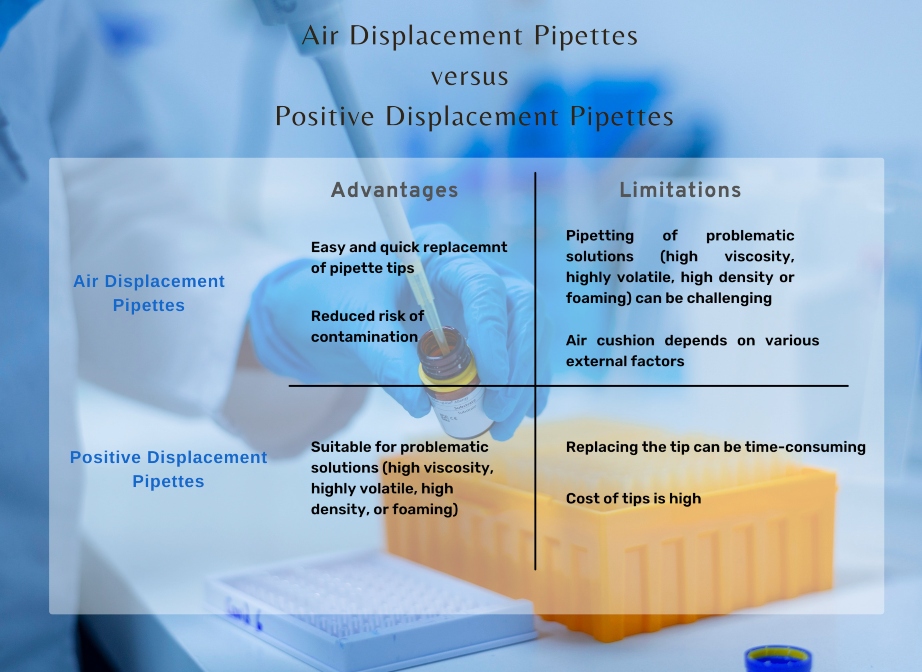
There are basically two types of displacement pipettes- 1) Air Displacement Pipettes, 2) Positive Displacement Pipettes. The operating principle for both these types of pipettes is almost the same, however, in a positive displacement pipette, the air cushion between the piston and the aspirated liquid is absent, and the liquid is in direct contact with the piston’s surface. The subsequent section discusses the basic working principles of air-displacement and positive displacement pipettes, as well as key differences between the two.
Air Displacement Pipettes
In an air displacement pipette, a small air cushion exists between the piston and the liquid solution during the process. It is an extremely accurate equipment for a wide range of standard pipetting applications. However, various parameters, including temperature, atmospheric pressure, viscosity and density of the liquid significantly affect the performance of an air displacement pipette.
Temperature: The most crucial factor affecting pipetting accuracy is the temperature of the liquid being dispensed. When the temperature of the pipette’s surface, air and the liquid is comparable, the accuracy of pipetting is not significantly affected.
Density: A liquid’s density impacts the amount of liquid dispensed by the pipette, as a highly dense liquid exerts an increased force on the air cushion present between the piston and the liquid solution. This makes the air space to stretch, leading to a smaller amount of liquid being aspirated into the tip.
Using an Air-displacement Pipette
Aspirating the Liquid
Calibrate the piston with the desired volume in order to move it to the accurate position.
After the operating button is pressed, the piston ejects the same amount of air as specified in the volume settings.
The operating button is released when the tip is immersed into the liquid, creating a partial vacuum, and aspirating the indicated liquid volume.
Dispensing the Liquid
After the operating button is pushed to the first stop, the air expels the liquid. In order to completely eject the sample from the tip, the button is pressed again to a second stop.
An air displacement pipette is generally used to dispense small amounts of aqueous / non-viscous liquids in general laboratory work with high accuracy. These pipettes enable contamination-free liquid handling, as well as allow for an easier replacement of pipette tips.
Positive Displacement Pipettes
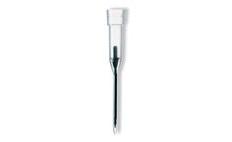
On the other hand, in a positive displacement pipette, there is no air present between the piston and the liquid, therefore, the piston’s surface is directly in contact with the liquid. This happens because the piston is not integrated inside the pipette, but is held within specialized disposable tips, also known as capillary piston (CP) tips. CP tips facilitate elimination of the air cushion present between the liquid and piston, which ensures that the pipetting accuracy is not compromised by any external factors. The absence of an air cushion greatly enhances the accuracy of the volume measured, which makes it easier to dispense highly viscous, volatile or hazardous liquid samples. The volume of aspirated liquid is dependent on the dimensions of the capillary. Using a disposable capillary piston also helps in minimizing contamination as it is in direct contact with the sample, thereby protecting the pipette surface as well as the user.
Using a Positive Displacement Pipette
Aspirating the Liquid
A positive displacement pipette makes direct contact with the liquid, therefore, the piston moves down inside the tip in order to draw the liquid into it.
Dispensing the Liquid
As the piston descends, the indicated volume of liquid gets dispensed.
A positive displacement pipette is suitable for pipetting high density / viscous solutions, such as fats, protein solutions, resins, oils, volatile liquids, foaming liquids or any other problematic liquid solutions. The downside of using a positive displacement pipette is the high cost of pipette tips, as well the cumbersome process of replacing the tips from time to time.
Choosing the Right Displacement Pipette
Selecting the right kind of displacement pipette for your needs can be confusing, especially due to the availability of a variety of pipette models in the market. In order to choose the optimal pipetting equipment, you need to evaluate the fundamentals of the liquid samples you usually work with.
In addition to accounting for different properties of the liquid sample, the volume range of the sample also needs to be considered while choosing an appropriate pipette. For instance, only certain pipette types are available in small volume ranges, and are therefore preferred for experiments requiring higher precision.
Further, various other requirements pertaining to the specific pipetting application are taken into considerations, such as frequency of dispensing the liquid, type of vessels / containers used, as well as the extent of experience of the lab personnel handling the pipette. It is crucial that the chosen pipette is intuitive to operate, precise and poses lower risk of contamination.
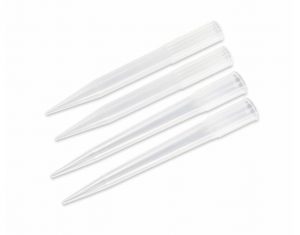
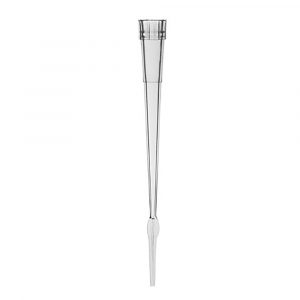
In every laboratory — whether in life sciences, chemistry, biotechnology, or clinical diagnostics — accuracy starts with the right micropipette tip. A micropipette tip is a simple, yet critical scientific instrument used in labs all over the world to transfer a quantified liquid volume precisely from one container to another. Today, pipettes are available in a variety of formats ranging from simple plastic tubes to precise electronic instruments. Regardless of the type of pipette, you might have seen in a lab, one component ubiquitous to all pipettes is the pipette tip, which is a simple, plastic molded and disposable head of the equipment. In other words, a pipette is of no use without its micropipette tip!
Given its plain design, one might assume that choosing the type of pipette tip is a no-brainer. However, a variety of factors, such as ergonomics, accuracy, dimensions, ease of use, quality, application and precision need to be considered before making the purchase. Even the slightest variation in the shape of the pipette tip will make it unfit for your pipette, and negatively impact the results of the scientific study. To ensure that the process/experiment is carried out precisely, you must steer clear of poor-quality micropipette tips.
Micropipette tips are essential to any scientific laboratory, and are used across a variety of life science, chemistry, pharmaceutical, biotechnology and molecular biology applications. While the tip might seem like a simple accessory, its quality, fit, and design directly affect pipetting accuracy, contamination control, and experiment reliability. Even minor inconsistencies in shape or material can lead to errors that compromise results. For instance, the supplier of pipettes and the compatible tips must comply with ISO 8655 standards, in addition to providing essential information related to the proper use of the equipment.
Further, the tips need to be properly sterilized for any kind of biological work. In certain studies, filters are added inside the tip to minimize contamination of the pipette’s cavity by aerosols, as well to reduce the volume of liquid retained by the surface of the tip.
History of micropipette tips – When were they first invented and how?
Pipettes are used in university labs to high-tech scientific research centers. Over the years, the instrument has undergone a variety of changes to incorporate advanced features to meet the growing requirements of modern science. Let’s take a look at the history of the evolution of pipettes and their tips.
The first pipette-like instrument commonly used in laboratories was the Pasteur pipette, named after the renowned French microbiologist Louis Pasteur, who popularized its use in the late 19th century. These early pipettes were handheld glass tubes, used primarily to transfer small volumes of liquid by suction, often with a rubber bulb. Later, the equipment was manufactured from plastic, which enabled researchers to significantly minimize contamination. In the 1950s, German physician Heinrich Schnitger created a prototype of a micropipette, which was a spring-loaded piston with a removable plastic tip. In the early 1960s, Eppendorf acquired the rights to the micropipette and started the mass production of the pipette along with other innovative laboratory tools.
Louis Pasteur (French Chemist and Microbiologist)
In 1961, Eppendorf launched the first commercially manufactured piston-stroke pipette, in addition to the compatible tips, as well as the Eppendorf Tube.
Further, in the 1970s, Warren Gilson and professor Henry Lardy invented an adjustable micropipette, which could alter the air pressure as per the requirements of the experiment. This enabled scientists to precisely isolate and transfer smaller liquid volumes. Fast forward to this day, pipettes come with highly advanced features, such as Bluetooth connectivity and automatic/robotic pipette systems. Such systems come with specialized micropipette tips, which are only compatible with advanced and high-end pipettes.
In addition, low-retention, hydrophobic and sterile tips are becoming increasingly popular due to the evolving research standards. Such tips are manufactured using specialized raw materials and advanced tools/protocols which guarantee the sterility and quality of the tips.
How are pipette tips manufactured?
Manufacturing of critical medical equipment, including pipettes and its tips requires high-grade hygiene conditions to minimize the risk of any type of contamination. In addition, it is critical that product quality is not compromised at the cost of maintaining productivity. In today’s technology-driven world, highly sophisticated manufacturing machinery is deployed to produce premium-quality micropipette tips.
With processing methods becoming highly sensitive over the years, manufacturing protocols and requirements for pipette tips have also evolved substantially. For instance, polypropylene used in the manufacturing of these tips has undergone several changes in the last few years. In order to develop low-retention and sterile tips, manufacturers ensure that the material is free from additives, such as di (2- hydroxyethyl) methyl dodecyl ammonium (DiHEMDA) and 9-octadecenamide (oleamide). In addition, given the rising research benchmarks, the tools used in the process, as well as the quality tests carried out, have been improved drastically by applying automation and other innovative technologies. Manufacturers ensure that only highly polished equipment is used in the production process, in order to eliminate any parting agents or demolding aids.
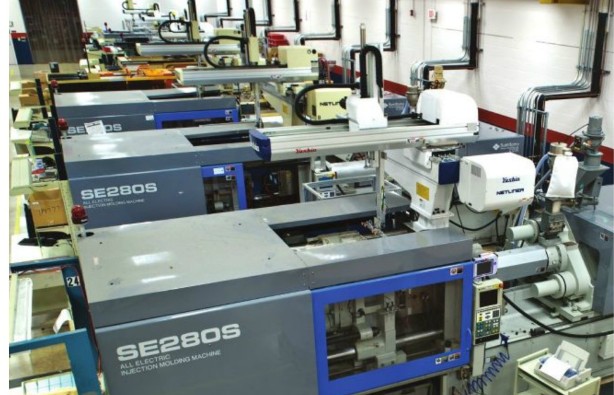
Tip Manufacturing Factory with Injection Molding Machine
The process of manufacturing a pipette tip might vary from one manufacturer to another, however, the basic principles remain largely the same. The process of manufacturing a plastic pipette tip having a long capillary at the front comprises of the following steps:
Injection molding of a pipette tip in a mold.
Opening of the mold and drawing the plastic section into a capillary.
The unsolidified plastic section is selectively heated.
The tip is drawn vertically, and the tip is shaped using a molding element.
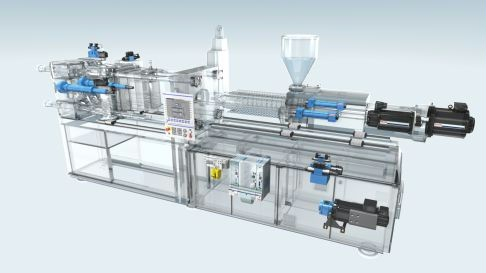
Injection Molding Machine
Mass production of micropipette tips is done using high-performance electric injection molding machines. The process is usually automated in order to achieve high efficiency.
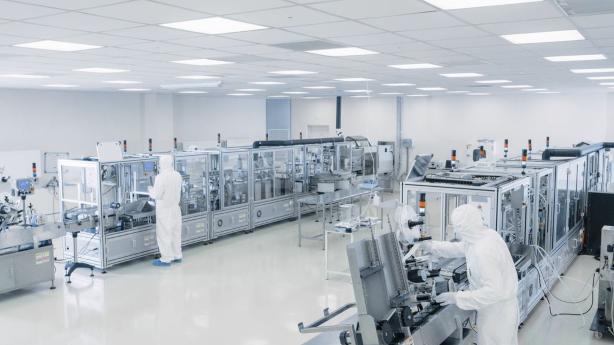
Manufacturers usually produce both individual parts and end products in-house to control the overall quality and safety of micropipette tips. In addition, to eliminate the risk of contamination, manufacturers use state-of-the-art HEPA filters, which are installed in cleanroom facilities.
A clean room is generally monitored for a variety of parameters, including measurement of air particulates, air exchange rate, room temperature, humidity, and positive air pressure, among others. In addition, the lab personnel ensures that deviations in any of the above parameters are detected as soon as possible, and appropriate measures are taken before the deviation values exceed the permissible limit. In order to maintain a higher degree of stability in manufacturing conditions, it is important to have a high-precision control of the aforementioned factors. Class 8, 7, and 5 cleanrooms are usually used, which are validated according to ISO 14 644-1 standard.
Cleanrooms for Manufacturing Medical Devices
Lastly, the manufacturers oversee that the final product undergoes stringent quality testing in order to have high-grade pipette tips. In addition, manufacturers are striving to install purpose-driven facilities, which are flexible and designed to carry out continuous processes. Manufacturing high-quality pipettes and tips is a complex process that requires rigorous planning and forecasting, sourcing of quality raw materials and state-of-the-art manufacturing protocols/tools. Manufacturers usually follow compliance with ISO 14 644-1 standard for manufacturing disposable labware.
What are the different types of micropipette tips?
1. Filter vs Non-Filter
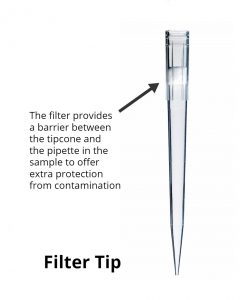
Filter Tips: Filter tips are generally meant for use in specific kinds of tests. For instance, if the sample is corrosive or volatile or highly viscous in nature, it can potentially damage the pipette. In such cases, filter tips are recommended for use. The filter placed inside these tips would help prevent the chances of excess aspiration of the sample, which is responsible for inducing damage to the pipette shaft. Every time you aspirate liquid, aerosols are generated inside the pipette tip. If you don’t use filter tips, these aerosols are likely to contaminate your pipette and the subsequent samples. A filter pipette is also recommended for novice lab technicians or university students, who lack the requisite experience of handling pipettes. They can be used for training purposes as filter pipette tips protect against potential damage or contamination of samples, and therefore, prove to be highly cost-effective.
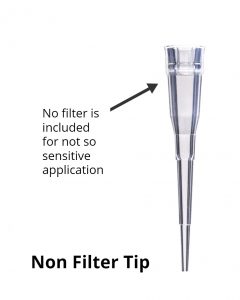
Non-filter Tips: Non-filter tips are the major type of tips used in any lab as they are less expensive than filter tips. Non-filter tips lack the advantages associated with filter tips, therefore, are more suitable for samples that are not susceptible to contamination, and that is unlikely to damage the pipette. In addition, these non-filter tips can be used by people who have a significant amount of experience handling pipettes in the lab. Moreover, one can use non-filter pipette tips for relatively non-sensitive applications, such as isolating plasmid DNA, and loading agarose gels, among others.
2. By Packaging
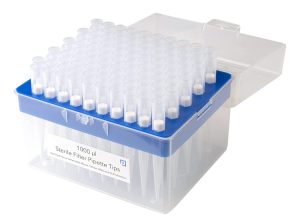
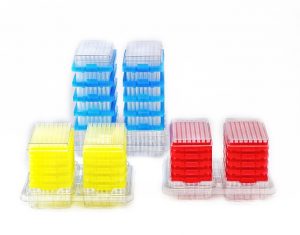
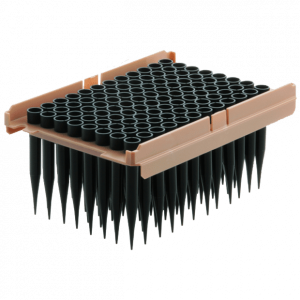
Racked: Today, micropipette tips are primarily available as pre-filled stackable racks, usually made of polypropylene. As the micropipette tips are well-stacked, they don’t require to be manually emptied in a sterile container. The racks are sturdy, having thick walls, and usually come with a transparent lid and base. Once emptied, the racks are reusable.
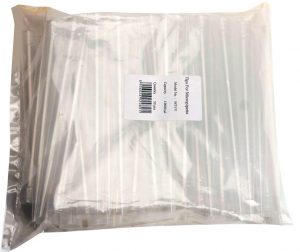
Bulk: Bulk tips are usually packed in zip-locked resealable polyethylene bags. The zip-lock sealing offers superior protection against contamination. After you receive your bulk package, you can manually empty your pipette tips in a sterile box.
Reloads: Reload packaging is similar to racked tips, however, it is much more sustainable and environment-friendly as the same box can be used with replaceable reloads. It generally comes with a unique nestable design, making it a compact and contamination-free option.
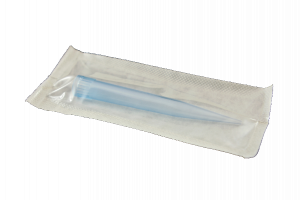
Individually Wrapped: Individually wrapped pipette tips are used in studies requiring highly stringent aseptic conditions. The single-wrap packaged tips are used across a variety of sensitive applications to ensure sterility and safety. Such type of packaging is free from endotoxins, or any other biological contaminants, thereby possessing the utmost sterility standards.
3. Low Retention vs. Non-Low Retention
Low-retention tips can be manufactured using a variety of techniques. For instance, in one of the manufacturing processes, the tips are mechanically polished with the help of a diamond abrasive to render them extremely smooth. This prevents liquid samples from sticking to the tip surface.
Additionally, some manufacturers use plastic additives or surface-modifying chemicals to alter the properties of the polymer. These chemicals are either added to the polymer material or are coated onto the plastic surface. However, the latter technique poses a risk of leaching of chemicals into the solution, which, in turn, can cause contamination of the sample. Further, the coating process might lead to uneven coverage of the chemical on the tip’s surface. This can result in inconsistent pipetting results.
Given the high demand of low-retention tips, various manufacturers are using innovative technologies to design completely hydrophobic tips, that have high degree of chemical resistance, as well as consistent quality.
How are they manufactured? Surface Treatment
Low-retention tips can be manufactured using a variety of techniques. For instance, in one of the manufacturing processes, the tips are mechanically polished with the help of a diamond abrasive to render them extremely smooth. This prevents liquid samples from sticking to the tip surface.
Additionally, some manufacturers use plastic additives or surface-modifying chemicals to alter the properties of the polymer. These chemicals are either added into the polymer material or are coated onto the plastic surface. However, the latter technique poses a risk of leaching of chemicals into the solution, which, in turn, can cause contamination of the sample. Further, the coating process might lead to uneven coverage of the chemical on the tip’s surface. This can result in inconsistent pipetting results.
Given the high demand for low-retention tips, various manufacturers are using innovative technologies to design completely hydrophobic tips, that have a high degree of chemical resistance, as well as consistent quality.
4. Sterile vs. Non-Sterile
Sterile tips are gamma-radiated, which are free from biological contaminants, such as RNase / DNase, human DNA, and pyrogens. They find application across highly-sensitive assays, which require a high degree of sterility.
Is it possible for someone to buy non-sterile tips, and use them post autoclaving them? Autoclaving might eliminate the risk of contamination caused by living organisms, but this does not necessarily mean that the tips would be free of RNase and DNase.
5. By Dimensions
Macro Tips: These tips are primarily used for carrying out pipetting of large liquid volumes safely and efficiently. Macro tips are able to handle reagents in a volume ranging from 5 ml to 10 ml.
Micro Tips: Micro tips are used to transfer relatively smaller liquid volumes, mostly in the range of 0.5 ul to 1,250 μl.
Ultra-Micro Tips: Ultra micropipette tips are available for use in pipettors of the size range 0.5-20 μL.
Wide Orifice: As the name suggests, these pipettes are designed with a larger tip orifice. This characteristic is particularly useful for eliminating cell shearing and flow resistance. With an orifice almost 70% greater than a standard pipette tip, these tips offer significant flexibility required for handling difficult-to-pipette samples, such as fragile cell lines, genomic DNA, macrophages, hepatocytes, hybridomas and other highly viscous liquids. These samples are not suitable to be transferred through a standard tip’s orifice as they are subjected to mechanical shearing force, which can lead to fragmentation to the cells in the pipette. Therefore, wide orifice tips are instrumental in ensuring cell viability and plating capability.
6. Short vs. Extended Length
Short Tips: Short tips are used to fill small wells, for instance, while pipetting in a 384 or 1,536 well-plate. In addition, they offer better ergonomic properties as they enable you to pipette closer to the bench, thereby, minimizing arm strain.
Extended Length Tips: Micropipette tips having extended lengths offer significant contamination control as they enable you to reach to the bottom of the vessel, thereby reducing contact of the container with the pipette shaft. These tips are better than standard tips and are suitable for labware, including microcentrifuge tubes or deep good blocks.
Beveled Tips: A beveled orifice prevents adherence of the sample to the tip, and makes it easier to pipette every drop of the sample entirely. In the process of gel loading, a beveled tip is useful in preventing accidental damage of the gel. Beveled tips are also useful for accurate fluid transfer as they usually have graduation marks.
Round and Flat Tips: Flat and round tips enable easy access into vertical and horizontal electrophoresis gels. Flat tips are used primarily for loading acrylamide and agarose gels in the process of gel electrophoresis, whereas round tips are better suited for loading SDS PAGE and agarose gels.
7. By Special Applications
Gel Loading: Loading acrylamide or agarose gels with standard pipette tips is a cumbersome process, and can lead to significant pipetting errors. Usually, round tips are used for loading agarose gels, and ultra round / flat tips are used for polyacrylamide gels.
Blood samples: Blood and plasma comprise of proteins that pose the risk of wetting the surface of a pipette tip, thereby causing foaming. This makes the process of pipetting very time-consuming and can cause contamination, specifically in point-of-care diagnostics applications. Therefore, for such purposes, a wide orifice tip is generally used.
Positive Displacement Pipette Tips: In such pipettes, there is direct contact of the piston with the sample without any air cushion. The disposable piston is part of the tip, and not exactly integrated in the pipette. Therefore, it is recommended for difficult-to-handle samples (viscous, volatile, corrosive, dense, radioactive, extremely hot/cold).
Repeater Pipette Tips: Repeater pipettes enable the user to easily perform a number of repetitive dispensing cycles. Repeater pipette provides reliable ergonomics without compromising on precision. Pipette tips used for such pipettes are reliable and maintenance-free with a robust design, so as to endure the mechanical burden imposed by repeated pipetting. The tips are manufactured using high-quality virgin plastics, and without any chemical additives in order to prevent any type of contamination.
Robotic Pipette Tips: Tips for automated workstations are subject to stricter tolerances than standard pipette tips. Robotic pipette tips can be implemented with automatic liquid-handling workstations. Some tips may be designed for specific robotic systems and robotic tips are regulated under tighter tolerances compared to handheld pipettes.
What are some important features of pipette tips?
Hydrophobic: Hydrophobic pipette tips prevent the contact of aerosol contaminants with the pipette shaft. Therefore, such kinds of tips are best suited for applications requiring a high degree of sterility, including radioisotope handling and DNA amplification. In such tips, a unique polypropylene blend is used as a mold having distinguished hydrophobic characteristics. This allows liquids with low surface tension from spreading and making the inner surface of the tips wet, allowing all the samples to pipette out of the tip.
Such tip properties maximize the extent of the sample recovered from the pipette, thus improving the precision of pipetting detergent-containing solutions, or any other fluids having low surface tension. Further, such tips offer superior chemical resistance without the risk of leachable. They find application in highly sensitive biological studies, involving the use of viscous reagents and/or detergents. Such applications include sequencing, PCR and RT-PCR, protein analysis/purification experiments, SDS-PAGE and others.
Purity: A good-quality pipette tip is free of detectable DNase, RNase, PCB Inhibitors, pyrogens and other types of bio-burden / biological contamination. Pipette tips need to undergo a sterilization process in order to eliminate the risk of contamination by living organisms. Generally, this is achieved by using radiation. However, radiation alone can’t ensure that the pipette tip is completely sterile and free from endotoxins or nucleic acids. For a variety of biological assays, it is absolutely critical that the equipment is pure and sterile. Needless to say, a manufacturer offering high-quality pipette tips would follow cleanliness protocols during production, and make sure that the bulk packaging lacks any type of contamination.
Graduated: As the name suggests, graduated tips have markings on the side for measuring different liquid volumes. These tips act as a reliable secondary scale and ensure that the volume of liquid is absolutely correct.
Autoclavable: Autoclaving is a process used to sterilize lab equipment, such as pipette tips. Sterilization is achieved by passing superheated steam through the labware. This is done by removal of air, either with the help of an evacuation pump or downward steam displacement. Certain types of pipette tips available in the market are autoclave-compatible, while others are not. These tips are manufactured using materials resistant to autoclaving. However, most companies lay out stringent procedures that need to be followed in the autoclaving process (121°C, 20 minutes). However, at times, autoclaving is rendered ineffective in the elimination of certain high temperature-resistance microorganisms, or enzyme proteins, such as RNase which are difficult to get inactivated even when exposed to high temperatures.
What are universal fit tips?
Universal tips are designed so as to fit a variety of popular brands of pipettors. Although you can always opt for the pipette tips manufactured by the manufacturer of the pipette, high-quality universal tips can always be your go-to option, if the specific tips are unavailable.
These tips are designed to attach securely around a variety of pipette barrels, which might differ only slightly in radius. However, not every universal tip is the same as the others, therefore, it’s important to assess the available choices.
Companies manufacturing universal tips specifically need to closely evaluate various problems that can lead to fit issues. For instance, certain manufacturers’ design tips are flexible at the proximal end. This makes the tip fit a variety of pipettes, offering greater precision and accuracy. Universal tips are usually available in a variety of features, such as hydrophobic, graduated, filtered and sterile.
How to select compatible tips for your pipette?
The first and foremost characteristic important to selecting a pipette tip is the polypropylene blend of the tip. Generally, high-quality tips are made using virgin polypropylene material. This polymer is free from metal / plastic additives that are potential contaminants for your samples. Especially for colored tips, it’s necessary that the manufacturer is not using metal additives as such additives are often added in the dyes used in the coloring process of these tips.
The second factor to consider while choosing your ideal pipette tip is the quality and type of injection molding machine used in the manufacturing process. Even the slightest variation, such as molding flash or streaking can negatively impact the accuracy of the study results. Such deviations are often hard to spot through the naked eye, therefore it is important not to buy cheaper pipette tips available in the market, as they can completely ruin the outcome of your scientific study.
Further, it’s important to look at the fit of the pipette. It’s always a good idea to buy the tips marketed by the original manufacturer of the pipette, however, one can always opt for universal fit tips, which are readily available in the market nowadays. The fit is probably the most important factor while making the purchase as poorly fitting tips can severely affect the reliability of the study results. Buying a poorly-fitting tip would probably lead to a significant waste of your valuable money and time.
Microlit Low Retention Pipette Tips
Microlit Low Retention Micropipette Tips provide assured accuracy and precision as they are significantly more hydrophobic than standard pipette tips. These pipette tips are available in both micro and macro in standard (non-filtered, non-sterile) with different packaging. These Micropipette Filter Tips are widely used for Covid Testing as well.
Q1: What are micropipette tips made of? Most are made of virgin polypropylene for durability, chemical resistance, and low contamination risk.
Q2: Can micropipette tips be reused? While some tips are autoclavable, reusing tips can compromise sterility and accuracy.
Q3: What’s the difference between filter and non-filter tips? Filter tips prevent contamination inside the pipette shaft; non-filter tips are for general use.
Q4: How do I know if a tip fits my pipette? Check manufacturer recommendations or use high-quality universal tips with flexible sealing.
Q5: Why use low-retention tips? They reduce sample loss, especially for viscous or protein-rich liquids, improving experiment accuracy.
Over the past few years, soil testing has become one of the most popular practices in the field of agriculture because it helps to understand the potential of the soil and how profitable it will be for the farmers. However, soil testing is not just done in the field of agriculture. This procedure is considered equally important before construction.
Reasons behind Soil Testing
If we talk about the construction industry, testing the quality of soil before building your dream home is extremely essential to check the bearing capacity. The soil should be able to withstand the weight of the building.
And if we come to the farming and cultivation industry, testing the soil and analyzing the reports will give you a much better idea about the fertilizers to be used for maximum yield and how to improve the quality of the soil.
It will save you a lot of money because once you understand the quality of the soil, you won’t waste money on useless fertilizers which the soil does not need.
Over fertilization of soil is an actual issue which needs to be avoided. It can lead to water pollution and irreversible damage. Knowing the nutrient requirements of the soil you want to test, will help you avoid excessive use of fertilizers which will be better for both the crops and the environment.
How is soil tested in the laboratory?
The first and the foremost step that is done is preparation of the sample where each sample is assigned a different identification number and usually transferred to a paper bag. The samples are dried, crushed with a grinder and passed through a mesh to avoid any unwanted particles.
When it comes to testing the soil in the laboratory, a variety of different methods are used. Technology keeps evolving, and the top laboratories always try to upgrade their equipment according to that. Here are some of the most common methods that are used to test soil in labs.
➢Regular texture test
In this case the soil is tested for quantities of sand, clay and silt and then is classified into different categories. C is for coarse texture, M for medium texture and F for fine texture.
➢Soil pH and lime requirement
The pH of the soil is determined on a 1:1 (soil/water) ratio basis and the mixture contains 10 g volumetric soil and 10 ml double deionized water. Before measuring the pH of the soil, the sample is studied before and after a 15 minutes equilibration duration. The soil with pH values less than 6.0 are further analyzed for lime requirement test.
This process follows the Sikora Buffer Index and that value is determined by adding 10 ml of buffer solution to the above sample in 1:1 ratio. The pH metre is used to calculate the buffer index of the suspension after stirring the mixture for 15 minutes.
➢Organic matter (loss on ignition)
This method is somewhat related to the first testing procedure in the list for texture of the soil. In this process a 5-gram scoop of soil is kept into a beaker and the sample is dried for at least 2 hours at 105 degrees Celsius. The mixture is then weighed. After that the sample is burnt at 360 Degree Celsius for 2 hours and then weighed again. The loss of weight is calculated as a percentage of the dry soil and that value is considered as the organic matter content.
➢For Potassium available in soil
When the goal of the testing is to extract the potassium from the soil, 10 ml of ammonium acetate is mixed with 1 gram of air-dried soil. This mixture is shaken for 5 minutes and the potassium available in it is determined by properly scrutinizing the filtered extract on an atomic absorption spectrometer set. The quantity of potassium is reported as parts per million.
These are some of the most common methods carried out in the labs for soil testing. Apart from them, you can also choose multiple other testing techniques like-
Extractable sulfur.
Extractable zinc (DTPA extractant).
Environmental lead.
Nutrient management Phosphorus using Olsen method.
Soluble salts using electrical conductivity.
Particle size analysis using the hydrometer method, and many more.
The availability of the testing technique might depend on the lab you are choosing because every lab might not conduct every type of soil analysis. The choice of laboratory should also be based on the equipment it possesses, the range of reagents and of course availability of specialists who are qualified to conduct the test.
The use of high-quality precision liquid handling instruments throughout the drug discovery, testing, and production processes gives scientists and laboratory technicians a sense of confidence in their procedures. However, this high-quality instrument needs regular calibration technologies to ensure precise measurement and transfer volumes of liquid to obtain credible results.
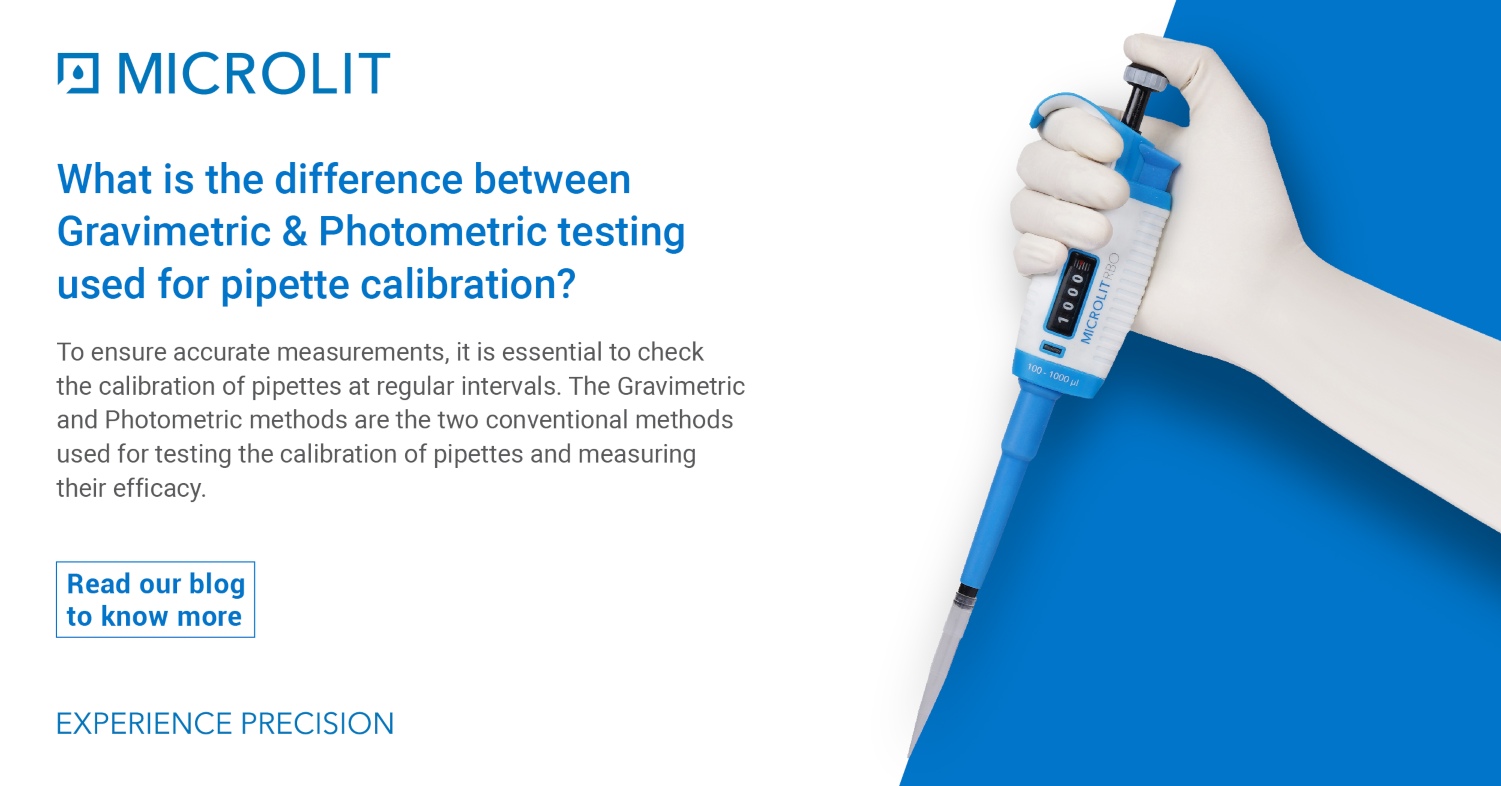
Even minute discrepancies in the amount of acid, solvent or any other reagent dispensed may affect the outcome and reproducibility of the experiments. Therefore, it is vital to check the calibration of the pipette at least every six months. There are various options available to test the calibration of pipettes and measure their efficacy. In this post, we will compare Gravimetric testing and Photometric testing for pipettes.
Gravimetric Testing
Gravimetric testing is the most common and economical method used for pipette calibration. In this process, an aliquot of distilled water is placed in a vessel, and its weight is measured using an analytical balance. The weight is then converted to mass and then to volume using standard conversion factors or produced by software packages. For example, one of the standard factors is the Z factor, which enables the conversion of the weight of the liquid on the analytical balance into volume by taking into consideration the humidity, temperature, and other environmental factors.
Gravimetry is used due to its simplicity, accuracy, and traceability. Moreover, it is a well-accepted technology and is recognized by national and international regulatory agencies such as the International Organization for Standardization (ISO), the College of American Pathologists (CAP), and ASTM International. The standards of gravimetry testing are ISO 8655-6 and ASTM E1154.
Gravimetry is a method of choice to calibrate the pipettes but has a few drawbacks. It is affected by various environmental conditions like evaporation, temperature, static electricity, and vibration. The resulting density of the liquid in these situations is significantly different from that of the testing environment, and data may not conform to expected results. Furthermore, as water is used for gravimetric testing, it does not ensure proper performance when using other liquids with different capillary pressures or surface tensions. Thus, the calibration is usually performed in an environment similar to the one where the pipette will ultimately be used.
Photometric Testing
The photometric calibration of pipettes has grown and improved significantly in recent years. ISO 8655-7 has approved the use of the photometric testing method for pipettes performance verification. This method uses light absorption to verify volume accuracy with a photometer and is used for low volume measurements and high throughput screening applications. In this method, a stable dye solution is delivered with a pipette into a microtitre plate. A specified wavelength beam of light is passed through the solution and the photometer measures the quantity of light that passes through. The amount of light absorbed is proportional to the amount of dye present.
Photometric testing can be implemented using two different procedures – Single-Dye and Ratiometric. Single-dye photometric testing provides good precision measurement and is less sensitive to environmental conditions. Like all dye-based methods, photometric methods must be correctly standardized to get quantitative results for accurate measurements.
The Ratiometric photometry is a refinement to single-dye photometry as it overcomes the accuracy limitations. This method uses two standardized dyes, and the measurement process produces absorbance readings in pairs which are combined into absorbance ratio readings. The primary advantage of this method is its ability to improve the accuracy and robustness of measurement. Absorbance ratios are measured more accurately than individual absorbances. Thus, leading to a higher degree of accuracy and precision in the ratiometric method.
Compared to gravimetry testing, photometric testing offers a great speed, ease of use, and enhanced accuracy.
Conclusion
Pharmaceutical laboratories have varying protocols, processes, and requirements that affect the choice of calibration technologies for liquid handling devices. Gravimetry testing and photometry testing are common testing methods to calibrate pipettes. Understanding the assay and laboratory quality requirements, traceability needs, tolerance for error, and level of pipette precision and accuracy calculation can help laboratories make the right decision.
Titration is a common laboratory technique used to determine the concentration of an unknown solution or an analyte. The technique involves slowly or dropwise adding a solution of known concentration or a titrant to a fixed volume of analyte until neutralization or endpoint is achieved. It is indicated by a color change of the indicator used or the formation of a precipitate. The titrant is filled in the burette and released slowly into the analyte in an Erlenmeyer flask.
Titration is commonly used in various industries to analyze chemical compounds and find their application in many fields. These include environmental studies, wastewater analysis, winemaking, pharmacology, and nutritional implications of food products.
What is dropwise dispensing?
When using conventional or digital burettes to perform the titrations, you need to find the correct dispensing speed. If the speed of dispensing is too fast, you may exceed the equivalence point and get an inaccurate result. This is because the manual dispensing wheel in such burettes is not electronically controlled and introduces the chance of human error. These abrupt manual speed changes may lead to inaccurate results. Thus, attaining the endpoint of the titration experiment becomes a challenging task.
To eliminate such problems, an electronic burette with a motor controlled piston enables the user to add the titrant from the burette drop by drop to the analyte in the conical flask when they are about to reach the equivalence point.
How does it help in achieving accurate titrations?
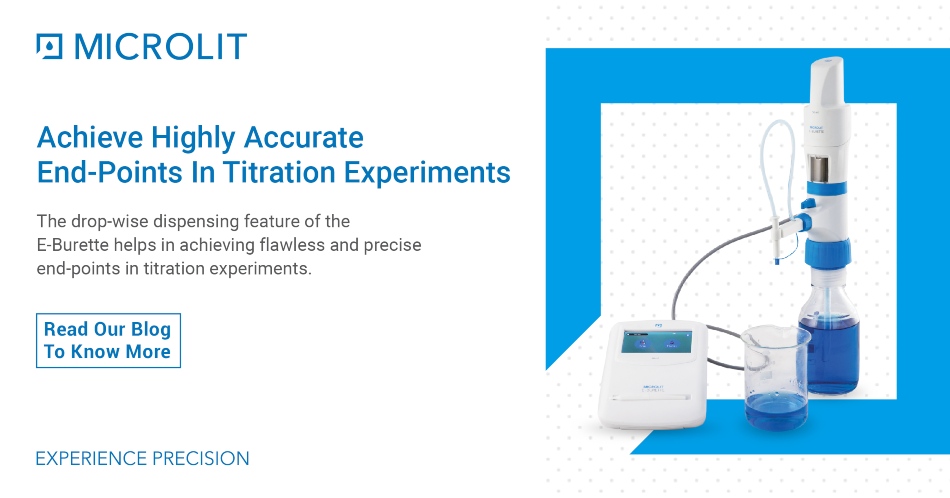
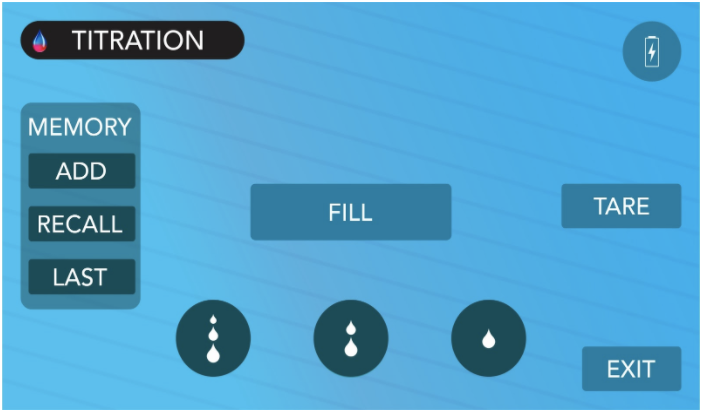
Microlit E-Burette provides 3 independently calibratable speeds – fast speed, medium speed and drop-wise dispensing speed to enable the user to precisely control the dispensing of the titrant. The drop-wise dispensing is essential to attain a precise and accurate endpoint. When starting the titration experiment, the user may add the titrant into the flask in a continuous stream on fast or medium speeds, but when the indicator color starts to change, the user may switch to the drop wise speed selection and dispense 10ul in every touch. Each drop dispensed is accurately reflected in the control panel and helps the user note the exact end point of the titration.
Electronic burettes have revolutionized how titration experiments are carried out. They are advanced instruments that are built with ergonomics and intuitive handling in mind.
Why is dropwise dispensing only possible in electronic burette?
Electronic burette or E-Burette has various sophisticated features and functionality such as touchscreen control panel with three preset speeds including a drop by drop. Accurate dropwise dispensing of 10ul on each click is only possible in E-burette because the dispensing speed in the conventional burette cannot be fixed and has to be manually controlled. The hand-wheel operation makes it difficult to deliver precise and fine control over the dispensing speed. The e-burette replaces the hand-wheel operation with a one-touch one-drop dispensing speed mode. It offers an accurate dispensing capability that provides high control over the dispensing speed while helping in achieving a quick and precise equivalence point.
More features of Microlit E-Burette
The other sophisticated features of the Microlit E-Burette include:
TFT Touch Screen Control Panel
TFT Touchscreen is a user-friendly screen that guides the user to perform quick and accurate titrations. It also displays numeric data up to the second decimal. The user needs to keep the Stylus pressed against it to perform dispensing and lift it to stop at once. The touch screen omits the parallax error as well.
Motor Controlled Piston Movement
The Microlit E-burette has a Motor Controlled Piston Movement that facilitates the user to perform precise and comfortable titrations. It reduces human effort and eliminates errors making it the most efficient lab instrument for liquid handling.
FlexiNozzle to Dispense Solutions
FlexiNozzle is an adjustable delivery nozzle in the E-burette that offers a high degree of flexibility in horizontal and vertical directions. This facilitating easy dispensing in demanding laboratory conditions.